
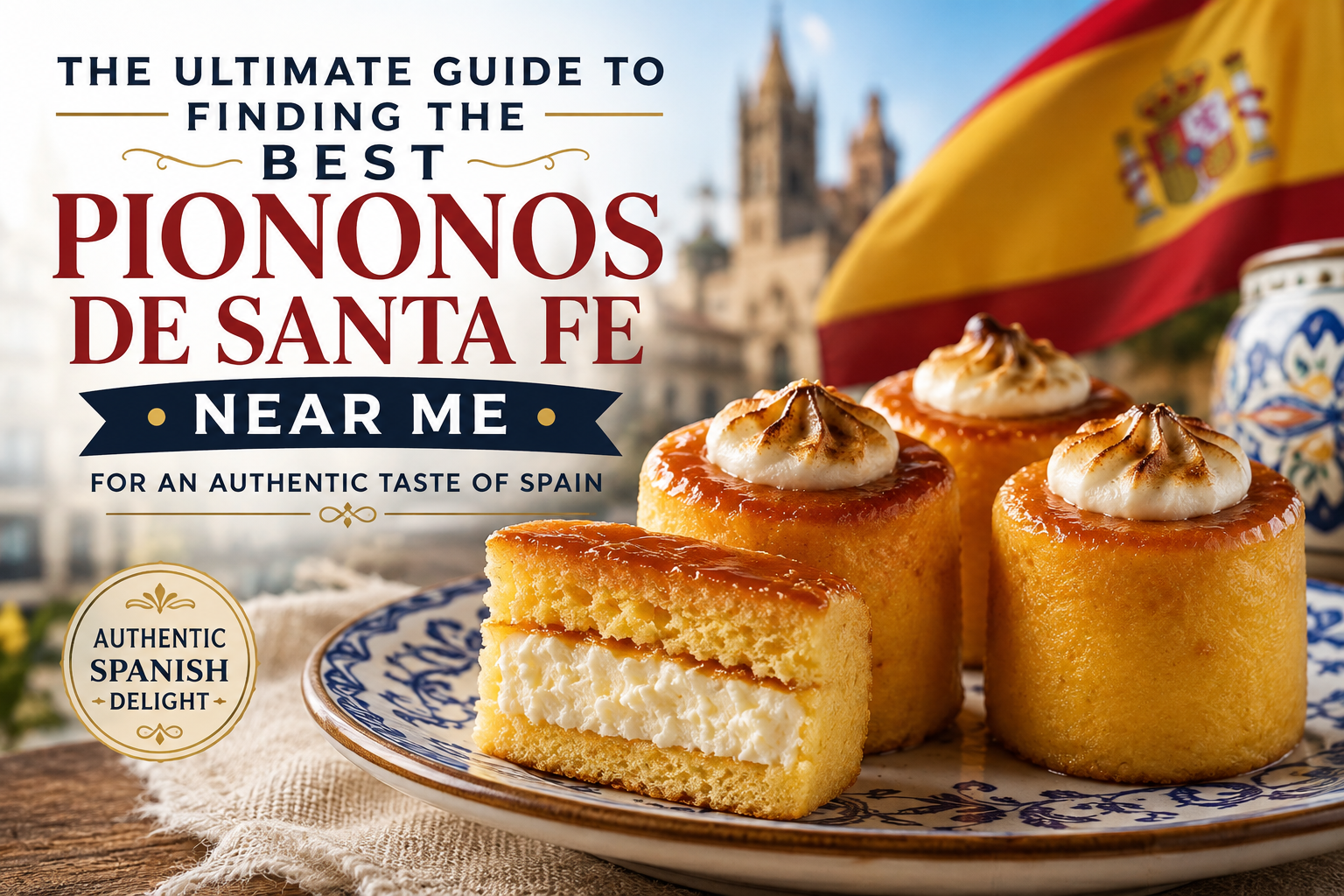
The Ultimate Guide to Finding the Best Piononos de Santa Fe Near Me for an Authentic Taste of Spain
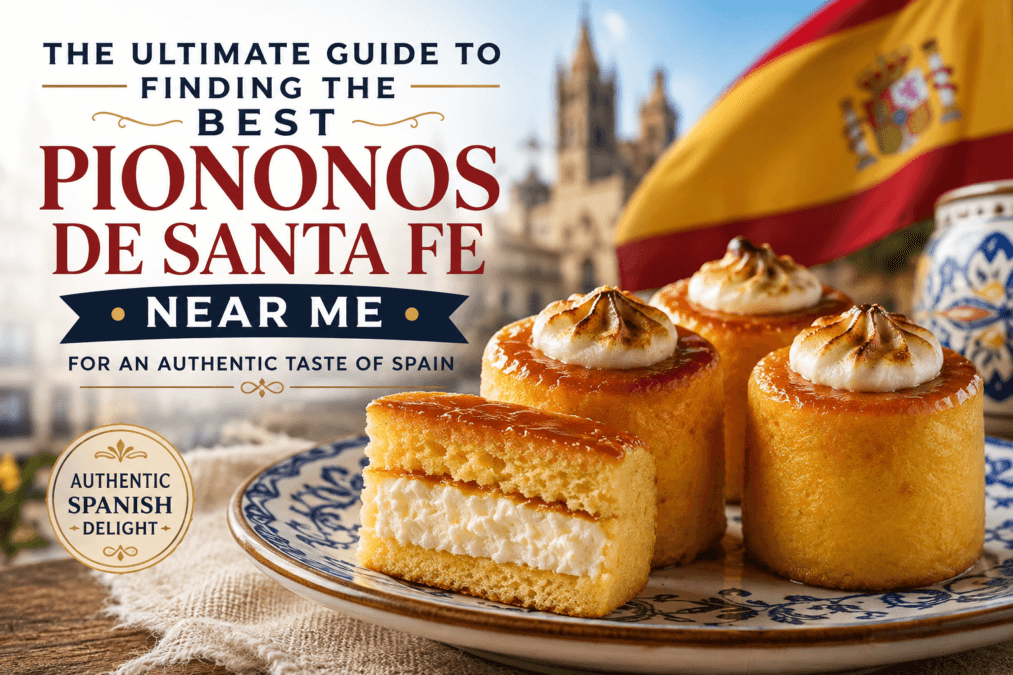
The search for the best piononos de Santa Fe near me often begins with a craving that is both specific and deeply satisfying. These small, syrup-soaked sponge cakes, rolled with a hint of pastry cream and topped with a signature toasted meringue, represent one of Spain’s most cherished culinary treasures. While the name might suggest a connection to the American Southwest, the true origin of the pionono lies in the Andalusian city of Santa Fe, a suburb of Granada. This confection is not merely a dessert; it is a bite-sized piece of history, a testament to the skill of local pastry chefs, and a sensory journey that transports you to the heart of Spanish bakery culture.
Understanding the nuances of this pastry is the first step in your quest. The classic pionono is characterized by its incredibly thin, moist sponge cake, which is achieved through a precise balance of egg, sugar, and flour. The sponge is baked in a large, flat sheet, quickly rolled with a sweet cream filling, and then cut into individual portions. The final flourish is a lavish topping of meringue, which is artfully toasted to a golden-brown hue, creating a delightful textural contrast between the crisp, caramelized exterior and the soft, syrupy cake beneath. When you search for the best piononos de Santa Fe near me, you are looking for this perfect synergy of textures and flavors—a symphony of sweet, creamy, and lightly burnt notes that dance on the palate.
This guide is designed to be your comprehensive resource. We will delve into the historical roots of this delicacy, explore the key criteria that define a top-tier pionono, and provide you with the expert knowledge needed to identify and locate the finest examples in your vicinity. Whether you are a seasoned foodie seeking the pinnacle of Spanish pastry or a curious newcomer eager to try this legendary sweet, this article will equip you with the insights required to make an informed and delicious choice.
The Historical Tapestry of the Pionono
The story of the pionono is as rich and layered as the pastry itself. Contrary to what one might assume, its origins are definitively Spanish, specifically tracing back to the city of Santa Fe, which was founded by the Catholic Monarchs during the siege of Granada in the late 15th century. The name itself is a charming anecdote. Legend has it that the pastry was named in honor of Pope Pius IX, whose diminutive stature inspired the nickname “Pio Nono.” A local baker in Santa Fe, upon hearing of the Pope’s election, decided to create a new confection that was small, sweet, and elegant, much like the Pontiff himself.
This historical connection elevates the search for the best piononos de Santa Fe near me from a simple culinary errand to a cultural exploration. The original recipe, closely guarded by the pastry families of Santa Fe, has been passed down through generations. The traditional method involves a specific type of flour, a precise baking temperature, and an almost instinctual understanding of how to handle the delicate sponge. When you taste an authentic pionono, you are essentially partaking in a tradition that has been refined over centuries, connecting you to the very bakeries that first brought this sweet to life in the shadow of the Alhambra.
The evolution of the pionono has seen it travel from its Andalusian birthplace to become a beloved staple in bakeries and cafes across Spain and, increasingly, around the world. As its popularity grew, so did the variations. While the classic version remains supreme in Santa Fe, other regions have experimented with different fillings, liqueurs, and toppings. However, for purists and those in the know, the benchmark for the best piononos de Santa Fe near me remains the original, unadulterated recipe that prioritizes the quality of the simple ingredients and the mastery of the baker.
Deciphering the Anatomy of a Perfect Pionono
To distinguish a truly exceptional pionono from a merely average one, it is essential to understand its core components. Each element must be executed with precision to achieve the perfect balance. The search for the best piononos de Santa Fe near me should always be guided by a clear understanding of these standards. The sponge, or “bizcocho,” must be exceptionally thin and pliable. It should be moistened with a sweet syrup, typically a simple sugar syrup or one infused with a hint of lemon or cinnamon, which keeps the cake soft and adds a subtle layer of flavor. If the sponge is dry or cakey, it is a sign of a subpar baking process.
The filling is traditionally a rich pastry cream. This custard should be silky smooth, with a pronounced vanilla flavor and a consistency that is thick enough to hold its shape but creamy enough to melt in the mouth. Some modern variations might use flavored creams or chocolate, but the authentic experience relies on the purity of the vanilla custard. The final component, the meringue, is what sets a great pionono apart. It is not a stiff, dry meringue but rather a soft, Italian-style meringue that is piled high on top of the rolled cake. The meringue is then carefully torched or baked until its peaks are a beautiful, deep caramel color, creating a slightly crispy shell that gives way to a soft, marshmallow-like interior.
The visual appeal is also a critical indicator. A perfectly crafted pionono showcases a neat, tight spiral. The layers should be distinct, with the creamy filling visible but not oozing out. The meringue topping should be unevenly toasted, with a mix of golden and dark brown patches that suggest it was carefully caramelized by hand. When you are on the hunt for the best piononos de Santa Fe near me, do not just taste the pastry; observe it. The visual clues often tell a story of the care and expertise that went into its creation.
Sourcing Authentic Ingredients and Traditional Techniques
The authenticity of a pionono is heavily reliant on the ingredients and techniques used. Traditional Spanish baking places a high value on quality, and the pionono is no exception. The best piononos de Santa Fe near me are often found in establishments that either import key ingredients from Spain or maintain strict standards for local sourcing. The flour used is crucial; a fine, low-protein flour ensures a delicate, melt-in-your-mouth texture. The eggs must be fresh, and the sugar of high quality, as these form the structural backbone of the sponge. The vanilla used in the pastry cream is another differentiator, with a preference for natural vanilla pods over artificial extracts.
The baking process is a delicate dance of heat and timing. The sponge is baked in a large, shallow tray lined with parchment paper. The goal is to achieve a uniformly golden, thin layer of cake that is cooked through but remains soft and flexible. Overbaking is a common pitfall that results in a dry, crumbly cake that will crack when rolled. Similarly, the syrup, often made with water, sugar, and a strip of lemon zest, is brushed onto the sponge immediately after it is turned out onto a new sheet of parchment. This absorption of syrup is what gives the pionono its characteristic moisture and sweetness. A baker skilled in this technique can sense the perfect moment to apply the syrup and the correct amount needed without oversaturating the sponge.
In your quest for the best piononos de Santa Fe near me, you may encounter bakeries that use industrial production methods. While convenient, these often sacrifice the nuanced flavors and textures of traditional techniques. The rolling process, for instance, is best done by hand, allowing the baker to control the tightness of the roll and ensure a consistent diameter. The filling must be spread evenly, leaving a small margin to prevent it from spilling out. These are signs of a labor-intensive, artisan approach, and they are the hallmarks of a superior pionono. Look for bakeries that emphasize artisanal methods and traditional recipes; they are more likely to deliver the authentic experience you are seeking.
Santa Fe, Granada: The Epicenter of Pionono Culture
To truly appreciate the search for the best piononos de Santa Fe near me, one must pay homage to the source. Santa Fe, a town just a few kilometers from Granada, is the undisputed epicenter of pionono culture. The city’s identity is so intertwined with this pastry that it is practically a pilgrimage site for sweet-toothed travelers. The local bakeries in Santa Fe are fiercely protective of their traditional recipes, and there is a friendly rivalry among them regarding who makes the definitive version. A visit to Santa Fe offers an immersive experience, where you can observe the bakers at work and taste the pastry in its most authentic form.
The pâtissiers of Santa Fe have honed their craft over many generations. They understand the subtle nuances of the local climate and how it affects the baking process. The water, the flour, and even the air in Santa Fe are factors that contribute to the unique character of their piononos. This is why any discussion about finding the best piononos de Santa Fe near me inevitably circles back to the original source. These professionals are not just bakers; they are custodians of a local heritage. Their expertise lies not only in following a recipe but in their intuitive understanding of the dough and the precise moment of caramelization.
When you search for a local equivalent, it is this level of dedication and local pride that you should seek to emulate. While a bakery in a different city or country cannot replicate the exact terroir of Santa Fe, it can replicate the passion and precision. Look for establishments where the staff is knowledgeable about the history of the pionono and can speak to the specifics of their recipe. A bakery that proudly highlights its connection to the Spanish tradition is more likely to produce a product that does justice to the original. The cultural DNA of the pionono is rooted in Santa Fe, and the best versions elsewhere will always be those that respect and honor this legacy.
The Role of the Pastry Chef: Artistry and Expertise
The creation of the perfect pionono is a testament to the pastry chef’s artistry and expertise. It is a pastry that allows for very little margin of error. The sponge must be baked just until it is set, and the timing of the rolling is critical; if the sponge is rolled too warm, it can become soggy, and if it is rolled too cool, it will crack. This requires a level of experience that goes beyond following instructions. This is the kind of tacit knowledge that is acquired over years of practice, which is why the best piononos de Santa Fe near me are often found in bakeries with a long-standing reputation.
The caramelization of the meringue is another area where the chef’s skill is on full display. Using a blowtorch or a broiler, the chef must distribute the heat evenly to achieve that iconic burnished top without scorching the sponge beneath. It is a process that demands patience and a keen eye. A chef who masters this technique produces a meringue that is both visually stunning and texturally perfect, with a crisp, smoky crust that complements the sweet, soft cake. This is the moment where the pastry transcends from being a simple sweet treat to a work of art, and it is a key detail in your evaluation of quality.
Furthermore, the best pastry chefs are innovators who respect tradition. While they may experiment with flavors, they never compromise on the foundational techniques. They might add a touch of orange zest to the syrup or experiment with a splash of Pedro Ximénez sherry in the cream, but the essence of the pastry remains unchanged. When you find an establishment that showcases this level of respect and innovation, you have likely found the best piononos de Santa Fe near me. It is the combination of traditional technique and subtle, personal flair that defines the true artisan.
Navigating Bakeries and Pastry Shops
Identifying the right bakery is a crucial step in your quest for the best piononos de Santa Fe near me. Not all bakeries are created equal, and recognizing the signs of a quality establishment can save you from a disappointing experience. Look for bakeries that specialize in Spanish pastries or have a significant section dedicated to them. The ambiance of the shop can also be a clue; a bustling bakery with a high turnover of products is often a good sign of freshness and popularity. The staff’s attitude is another important indicator. A knowledgeable baker or counter person who is proud of their product and can answer your questions about its origin is a good sign.
You should also be mindful of the price point. The search for the best piononos de Santa Fe near me might occasionally lead you to a bargain, but with a delicate pastry like this, the adage “you get what you pay for” often holds true. The labor and quality ingredients required to make an authentic pionono command a higher price. An unusually cheap pionono may have been made with inferior ingredients or using shortcuts that compromise the texture and flavor. The investment in a high-quality version is almost always worth it for the superior taste and the experience it provides.
In the age of online reviews, it is wise to use digital resources to inform your decision. Platforms like Yelp, Google Maps, and TripAdvisor can provide valuable insights from other customers. Look for specific comments about the sponginess of the cake, the richness of the filling, and the quality of the meringue. Photos can also be very revealing. A photo of a pionono with a dry, pale meringue or a messy, uneven roll should be a red flag. Conversely, images of perfectly golden, puffy meringues atop neatly rolled cakes are a strong endorsement. Combining online research with your own observations at the shop will significantly increase your chances of finding a top-tier pionono.
Discovering the Best Mondongo Soup Near Me: A Journey into Flavor, Tradition, and Nutrition
Online Ordering and Delivery Options
The modern food landscape offers convenience that extends to even the most niche of pastries. While the experience of buying a fresh pionono from a bakery is unparalleled, online ordering and delivery services have become a viable option in the quest for the best piononos de Santa Fe near me. Many acclaimed bakeries and specialty food shops now offer shipping, allowing you to enjoy authentic Spanish pastries from the comfort of your home. This is particularly useful if you do not live in a major metropolitan area with a strong Spanish culinary presence.
When ordering online, it is crucial to pay attention to the packaging. A delicate pastry like a pionono can easily be damaged or ruined in transit. Look for businesses that specialize in shipping baked goods and use packaging designed to protect the cake’s structure and preserve its moisture. Some companies may even offer overnight shipping to ensure freshness. It is also important to read the shipping policies and reviews, as past customers will often comment on the condition of the product upon arrival. A reputable seller will stand behind their shipping methods and guarantee the quality of their pastries.
However, there is a significant difference between a store-bought, freshly made pastry and one that has been shipped. While a good online pionono can satisfy a craving, the texture of the meringue may soften slightly, and the sponge may lose some of its ideal moisture balance during transit. For the ultimate experience, the pursuit of the best piononos de Santa Fe near me should primarily focus on local, brick-and-mortar establishments. Online ordering is a fantastic backup option or a way to discover new bakeries, but it should not replace the joy of discovering a gem in your own neighborhood.
The Role of Dietary Preferences in the Pionono Quest
Today’s food landscape is marked by diverse dietary preferences and restrictions, and the pursuit of the best piononos de Santa Fe near me must accommodate this reality. Traditional piononos are made with gluten, dairy, and eggs, making them unsuitable for those with specific allergies or vegan lifestyles. However, the growing demand for inclusive options has led some innovative bakers to create alternative versions. While these may not be authentic in the traditional sense, they offer a way for more people to enjoy a version of this classic Spanish delight.
Gluten-free piononos are the most common adaptation. These use a blend of gluten-free flours, such as rice flour, almond flour, or a specific gluten-free blend, to replicate the texture of the sponge. The challenge with gluten-free baking is achieving the same spongy, flexible texture without the structure that gluten provides. Bakers who succeed in this endeavor often use additional binders like xanthan gum. Vegan piononos present a different set of challenges, as they must replace both the eggs and the dairy. Typically, plant-based milk (like oat or soy milk) is used for the pastry cream and aquafaba (chickpea water) for the meringue, which can whip up remarkably well.
If you have dietary restrictions, your search for the best piononos de Santa Fe near me may require a bit more effort. You will need to specifically ask bakeries about their ingredients and preparation methods. Some bakeries might be willing to make a special order for you. While the taste and texture of these adapted versions will differ from the original, the best of them still capture the spirit of the classic pastry. It is a testament to the versatility of the pionono that it can be reimagined to meet modern needs while still delivering a sweet and satisfying experience.
The Pionono and Beverage Pairings
Elevating your enjoyment of a pionono extends beyond the pastry itself to include the perfect beverage pairing. The sweet, creamy, and caramelized flavors of the pastry create a wonderful opportunity for complementary or contrasting drinks. When you find the best piononos de Santa Fe near me, consider enjoying it with a beverage that will enhance its nuances. The most classic pairing is with a strong coffee, such as a cortado or an espresso. The bitterness of the coffee cuts through the sweetness of the pastry and cleanses the palate, preparing it for the next delicious bite.
For a more traditional Spanish experience, a glass of sweet dessert wine like Pedro Ximénez is an exquisite choice. The rich, raisin-like flavors of the wine echo the caramel notes of the meringue, creating a harmonious and luxurious combination. Alternatively, a glass of chilled cava or a crisp, dry sherry like Manzanilla provides a beautiful contrast. The acidity and effervescence of the cava or the delicate salinity of the Manzanilla can cut through the richness of the pastry cream, balancing the overall taste profile and preventing it from becoming cloying.
If you are not a fan of alcoholic beverages, consider pairing your pionono with an aromatic tea. A cup of Earl Grey with its citrusy bergamot notes, or a chamomile tea for a soothing complement, can be a delightful match. The floral and citrus notes can lift the flavors of the vanilla and caramel. For those who prefer a cold beverage, a traditional Spanish horchata or a glass of cold milk can also be a comforting and delicious choice. The key is to experiment and find the pairing that best enhances your personal enjoyment of the pastry.
Expert Quotes on Pionono Quality
To provide an authoritative perspective on what defines a premium pionono, let us consider the insights of professionals who work with this pastry daily. The head pastry chef at a renowned Spanish bakery once said, “The quality of a pionono is first seen, then smelled, and finally tasted. The golden-to-brown gradient on the meringue is not just for aesthetics; it is the first promise of a textural symphony.” This emphasizes the importance of visual appeal in the selection process. Another expert, a food historian specializing in Andalusian cuisine, notes, “The sponge must be as thin as a playing card and as soft as a cloud. If you can’t roll it without it cracking, the baker has failed.”
A seasoned bakery owner offered this advice for assessing freshness: “A great pionono should have a subtle, almost imperceptible flexibility. When you cut into it, the layers should remain distinct, not mushed together. The cream should not weep, indicating it was cooked properly.” This practical advice can be a valuable tool in your search. A third expert, a food critic who has reviewed hundreds of Spanish pastries, stated, “The best piononos de Santa Fe near me are found in places where the baker understands that sugar is not just a sweetener; it is a structural ingredient. The caramelization process requires the same level of attention as tempering chocolate, and it separates the amateurs from the artists.”
These quotes highlight the multifaceted criteria used by professionals to judge a pionono. They look for the perfect burnish on the meringue, the delicate thinness and pliability of the sponge, and the structural integrity of the final product. By internalizing these expert observations, you can become a more discerning consumer in your own quest. This level of knowledge transforms the search from a casual endeavor into a refined pursuit of culinary excellence.
The Art of Freshness and Storage
Freshness is arguably the single most important factor in the quality of a pionono. The pastry is at its absolute peak within the first few hours of production, when the sponge is still tender, the cream is cool and set, and the meringue retains its crisp-to-soft texture. When searching for the best piononos de Santa Fe near me, timing your visit to coincide with the bakery’s production schedule can make a significant difference. Morning visits are often best, as many bakeries finish their baking early in the day to ensure their pastries are fresh for the lunch and afternoon crowds.
Once you have acquired your prize, proper storage is crucial to maintain its quality. Piononos are highly perishable and should be consumed as soon as possible. If you must store them, the refrigerator is your only option. Place them in an airtight container to prevent them from absorbing other odors and to help retain moisture. However, refrigeration can cause the sponge to dry out and the meringue to soften, so it is best to bring them to room temperature before serving to partially restore their original texture. Do not store them at room temperature for more than a few hours, as the cream filling is dairy-based and can spoil.
An interesting tip for reviving a slightly stale pionono is to heat it very briefly. A few seconds in a microwave can soften the sponge, though it will never fully regain its original glory. A better method is to place it in a low-temperature oven for a minute or two, which can help recrisp the meringue. Despite these revival tricks, the best advice is to simply not store them at all. The true essence of the pastry is in its freshness. When you undertake the search for the best piononos de Santa Fe near me, make it your mission to find a place that bakes them fresh daily and to enjoy them the day you buy them.
Case Study: The Pionono of Santa Fe vs. The Pionono of the World
To understand the international journey of this pastry, let’s contrast the “Pionono de Santa Fe” with its derivatives. The original version is a small, single-serving pastry with a meringue top. However, in other parts of Spain, like Aragón, “piononos” refer to a completely different pastry—a small, spiral-shaped bun often filled with custard and topped with sugar, without the signature meringue. This demonstrates how the name has been adopted for various regional sweets, underscoring the importance of specifying “de Santa Fe” when looking for the original recipe.
In the Americas, particularly in countries like Argentina, Uruguay, and Cuba, the term “pionono” has evolved to describe a savory or sweet rolled cake that is often larger and sliced like a Swiss roll. These can be filled with dulce de leche, jam, or even savory ingredients like ham and cheese. This adaptation is far removed from the sweet, meringue-topped Andalusian version. This linguistic and culinary evolution is a fascinating study in how recipes travel and transform, adapting to local tastes and ingredients.
For your pursuit of the best piononos de Santa Fe near me, this comparative analysis is vital. It ensures you are not misled by a similar-sounding name. When you walk into a bakery, you need to be able to clearly articulate what you are looking for. Specifying “the small, meringue-topped one from Granada” is often the best way to avoid confusion. This knowledge, drawn from an understanding of global culinary history, demonstrates your expertise and ensures you get exactly what you are craving. It helps you navigate the complexities of international bakery offerings and land on the authentic prize.
The Social and Cultural Role of the Pionono
In Spain, the pionono de Santa Fe is more than just a dessert; it is a fixture of social gatherings and a symbol of communal celebration. It is a staple in bakeries for special occasions like birthdays and anniversaries, where its sweet, individual portions make it a convenient and festive treat. During the afternoon “merienda,” a traditional light meal or snack time, a pionono paired with a coffee is a classic way to break the day. It is a pastry that encourages sharing and connection, often presented on a large platter for everyone to take their pick.
The confection also plays a role in the local economy and tourism of Santa Fe. The town celebrates its heritage with events like the “Fiesta del Pionono,” where the pastry takes center stage, and bakeries compete for the title of best pionono. This festival attracts both locals and tourists, cementing the pastry’s status as a cultural icon and a driver of local pride. For those visiting Spain, seeking out the best piononos de Santa Fe near me is not just a food tour item; it is a way of participating in a local tradition and supporting the artisans who keep it alive.
When you buy a pionono from a dedicated baker, you are not just buying a product; you are buying a piece of that culture and tradition. Your search for the best piononos de Santa Fe near me connects you to a global network of pastry lovers and a rich cultural history. It transforms a simple purchase into a cultural exchange. This is the power of food; it tells stories, builds bridges, and creates memorable experiences. The best pionono is the one that not only tastes incredible but also carries with it the spirit of its Andalusian heritage.
Consumer Psychology and the Pionono Experience
The appeal of the pionono is deeply rooted in sensory psychology. The combination of textures—the soft, syrup-soaked sponge, the smooth and creamy filling, and the crisp, airy meringue—creates a complex mouthfeel that is highly rewarding. Our brains are wired to enjoy contrast, and the pionono offers it in abundance. Furthermore, the visual act of biting into the beautifully charred meringue creates an anticipatory pleasure that enhances the overall tasting experience. The search for the best piononos de Santa Fe near me is often driven by a desire to recapture this specific sensory memory.
On a psychological level, the size of the pionono is also significant. As a small, individual portion, it allows for a guilt-free indulgence. It is a single-serving dessert that feels both luxurious and manageable. This is a sharp contrast to a large slice of cake, which can seem intimidating or overwhelming. The pionono offers a perfect portion of sweetness, satisfying a craving without feeling excessive. This portion control is a key aspect of its appeal and contributes to its popularity as a daily treat.
The “best” pionono, therefore, is the one that delivers the most satisfying psychological and sensory experience. It is the one that perfectly balances the sweetness of the cake, the richness of the cream, and the bitterness of the toasted meringue. It is the one that feels both nostalgic and novel. When you find that perfect version, the experience is more than just eating; it is a moment of pure, unadulterated pleasure that makes the hunt worthwhile. This psychological dimension underscores why so many are willing to go to great lengths to find the best piononos de Santa Fe near me.
How to Read a Bakery Menu for Piononos
Navigating a bakery menu is a critical skill in your quest. You need to be able to identify the perfect item. Look for the specific name “Pionono de Santa Fe.” If the menu simply says “pionono,” it is crucial to ask what style it is, as it could be the savory Argentine version or the bun from Aragón. When you find an item labeled correctly, it is a strong indicator of the bakery’s authenticity and knowledge. Some bakeries might describe it with a longer title, such as “Pionono de Santa Fe con Merengue Tostado,” which leaves no room for doubt.
If there are different variations listed, such as “pionono con nata” (with cream) or “pionono con chocolate,” you should be aware that these are modifications of the classic. The original cream filling should be a rich custard, but these alternatives can be excellent in their own right. Your decision should be guided by your personal preference. However, for your first time or when seeking the benchmark, the traditional version is always recommended. The menu might also indicate whether the meringue is “grattinado” or “caramelizado,” which refers to the toasting process. This is a good sign that the bakery takes pride in this specific technique.
Additionally, pay attention to the descriptive language used. A menu that explains the history of the pionono or the provenance of its ingredients demonstrates a high level of expertise and care. This often translates to the quality of the final product. In a well-crafted menu, you will find all the information you need to make an informed choice. By understanding the terminology, you can confidently ask for exactly what you want, ensuring your search for the best piononos de Santa Fe near me is a successful one.
The Economics of a Premium Pionono
The price of a pionono is a direct reflection of its quality and the economics behind its production. The search for the best piononos de Santa Fe near me often reveals a significant price range. The cheapest options are usually mass-produced, using lower-cost ingredients and automated processes. These are often found in supermarkets or large commercial bakeries. On the other hand, artisan piononos are made with high-quality, often imported ingredients, and a significant amount of manual labor. Every step, from separating the eggs to hand-toasting the meringue, requires skill and time.
The cost of flour, butter, eggs, and vanilla of premium quality is substantially higher than that of their industrial counterparts. Furthermore, the artisan baker must account for the spoilage risk; these fresh pastries have a short shelf life, and any unsold items represent a direct loss. This economic reality is why a truly excellent pionono will always carry a higher price tag. It is not just the cost of the ingredients; it is the cost of the expertise, the time, and the commitment to quality that you are paying for. Understanding this helps justify the expense and reinforces the value of the product.
Therefore, when you encounter a pionono that seems surprisingly cheap, you should be skeptical. It is unlikely to deliver the complex flavors and perfect textures you are seeking. Instead, consider the higher-priced versions as an investment in a superior culinary experience. The value lies not in the quantity but in the quality of the pleasure it provides. A single, perfect artisan pionono can be infinitely more satisfying than a box of mediocre ones. This economic perspective is a crucial filter in your search for the best piononos de Santa Fe near me.
The Future of Pionono Production
The future of this cherished pastry is a fascinating interplay between tradition and modernity. While the core techniques and recipes remain closely guarded secrets, we are seeing innovations in how piononos are produced and marketed. Some bakeries are experimenting with more sustainable sourcing, using organic flour and eggs from free-range farms. There is a growing movement towards transparency, with bakeries sharing more information about their ingredients and production processes, which builds trust with increasingly discerning consumers. The search for the best piononos de Santa Fe near me will likely benefit from this trend.
In terms of sales, we are seeing a rise in online platforms and delivery services, bringing artisan pastries to a wider audience. This digital shift is making it possible for bakeries outside of Spain to reach customers who are actively looking for authentic Spanish pastries. Virtual bakery tours and online classes are also becoming popular, allowing home bakers to learn the basics of pionono-making, even if they cannot replicate the exact professional techniques. This educational aspect helps cultivate a deeper appreciation for the craft.
However, the essence of the pionono will always be tied to the physical bakery, where you can experience the sights and smells of a fresh batch. The challenge for the future is to scale the production to meet demand without sacrificing quality. The most successful bakeries will be those that can integrate new technologies in their business operations while maintaining the artisanal soul of their product. This balance will ensure that the tradition lives on and that future generations can continue their search for the best piononos de Santa Fe near me, enjoying a pastry that is both timeless and contemporary.
The Aesthetic Presentation of Piononos
Presentation is a critical element of the pionono experience, and it begins long before the pastry reaches your mouth. The aesthetic appeal is a significant factor in the decision-making process. The classic presentation is on a small doily or a piece of parchment paper, nestled on a traditional ceramic plate. The pastry’s symmetrical spiral and the beautifully toasted meringue top make it visually striking. The contrast between the white, pillowy meringue, the golden-brown toasted peaks, and the pale-yellow cake is innately pleasing to the eye.
A well-presented pionono invites you to appreciate the skill of the baker. The meringue should be piled high and unevenly toasted, indicating it was done by hand. The cream should be perfectly contained within the roll, with no leakage. The edges of the cake should be neat and clean. All of these details contribute to the perception of quality and care. In your search for the best piononos de Santa Fe near me, you will notice that the top-tier bakeries invest significant effort in the presentation, understanding that we eat with our eyes first.
This attention to aesthetics also extends to how the pastries are displayed in the shop window. A bakery that arranges its piononos neatly on a tiered stand or in a pristine display case is making a statement about the pride they take in their products. The visual appeal often creates a sense of anticipation and builds the excitement of the tasting experience. So, when you are on your quest, let your eyes be a guide. A beautiful pionono is often a delicious one, and the presentation is a strong signal of the baker’s dedication to their craft.
A Global Palate: Pionono in Contemporary Cuisine
While the tradition of the pionono is firmly rooted in Spanish culture, it is finding a new audience in the global culinary scene. Its unique combination of textures and flavors makes it highly versatile and appealing to a modern, international palate. In many upscale restaurants, the pionono is being deconstructed and reimagined as an element in more complex desserts. For instance, a chef might use the sponge base as a component in a layered verrine, or feature the meringue as a separate element alongside ice cream and fruit compotes.
The rising popularity of Spanish cuisine around the world has naturally boosted the profile of the pionono. Food blogs, travel vlogs, and social media influencers are introducing it to new audiences, sparking curiosity and demand. This has encouraged more bakeries in places like the United States, the UK, and Australia to add the pionono to their menus, adapting the traditional recipe to suit local tastes while trying to maintain its authenticity. The search for the best piononos de Santa Fe near me is, in part, a product of this globalization.
However, with this global expansion comes the risk of the product being diluted. The challenge for bakeries abroad is to educate their customers about the authentic experience while perhaps introducing subtle local twists. A successful contemporary pionono respects the original’s integrity. Whether it is served as a classic treat in a traditional Spanish bakery or as a creative element in a modern dessert, the heart of the pionono remains the same. This adaptability is a testament to its robust and beloved character.
Creating the Perfect Pionono at Home: An Expert’s Advice
Attempting to make a pionono at home is a bold and rewarding project for any baking enthusiast. While it will be a challenge to replicate the exact conditions of a professional bakery, following an expert’s advice can lead to impressive results. The first piece of expert advice is about equipment: you will need a half-sheet pan, parchment paper, and a kitchen torch for the meringue. The recipe requires precision, so a digital scale is highly recommended. Separate your eggs when they are cold, but bring them to room temperature before you start whipping, as this yields a better volume for the sponge.
The key to the sponge is not to overmix. Gently fold the flour into the whipped egg and sugar mixture until just combined. Overmixing will develop gluten and make the cake tough. When spreading the batter onto the prepared pan, use an offset spatula to create an even, thin layer. The goal is a sponge that is about a quarter of an inch thick. For the syrup, use a simple mixture of equal parts water and sugar with a strip of lemon zest and perhaps a cinnamon stick. Boil it briefly and brush it generously over the warm sponge as soon as it comes out of the oven.
For the pastry cream, be patient. Whisk the egg yolks and sugar until pale and thick, then temper them with hot milk to avoid scrambling the eggs. Return the mixture to the heat and stir constantly until it thickens and just begins to bubble. Remove it from the heat and stir in the butter and vanilla. For a professional finish, strain the cream to remove any cooked egg bits. For the meringue, cook a simple syrup to 240°F and slowly pour it into whipped egg whites. Once you have assembled the roll and topped it with the meringue, use your kitchen torch to caramelize the top to a beautiful dark gold. While the best piononos de Santa Fe near me may be just around the corner, the satisfaction of making your own is a unique and profound experience.
Informational Table: A Comparative Guide to Pionono Variations
| Variation | Origin/Region | Key Characteristics | Flavor Profile | Best Occasion |
|---|---|---|---|---|
| Pionono de Santa Fe | Santa Fe, Granada | Small, rolled sponge cake with sweet syrup, vanilla pastry cream, and toasted Italian meringue. Well-defined spiral. | Sweet, creamy, rich vanilla, and a hint of caramelized sugar. | Merienda, celebratory gatherings, dessert. |
| Pionono Aragón | Aragón, Spain | Spiral-shaped bun, often with a sugar glaze or topping. Filling can be cream or chocolate. Typically larger and less delicate than the Santa Fe version. | Sweet, bready, and rich with a sugary crust. | Breakfast, traditional fairs and festivals. |
| Pionono Americano | Argentina/Uruguay | A larger, rolled sponge cake similar to a Swiss roll. Can be filled with dulce de leche, jam, cream, or savory ingredients like ham and cheese. | From sweet and milky (dulce de leche) to savory and salty. | Party platters, picnics, versatile meals. |
| Pionono Cubano | Cuba | A specific variation often filled with guava paste or cream cheese, reflecting local flavor preferences. | Sweet with a distinct tropical fruit note. | Dessert, afternoon coffee. |
| Deconstructed Pionono | Modern Gastronomy | An artistic take where components are separated. May feature sponge crumbles, cream as a foam or gel, and caramelized meringue shards. | A new take on the classic texture and flavor balance. | Fine dining, high-end dessert courses. |
The Language of Quality: Decoding Bakery Terminology
Being fluent in bakery terminology is a powerful tool in your hunt for the best piononos de Santa Fe near me. When you walk into a bakery, the vocabulary used can tell you a lot about the product. Terms like “artesanal” (artisan) or “receta tradicional” (traditional recipe) are strong signals of a higher-quality product. If a bakery uses terms like “caseína” (casein) or “sémola” (semolina) in a pionono context, it’s probably not the authentic version. Look for simple, clean ingredient lists that highlight the use of “huevos frescos” (fresh eggs), “leche entera” (whole milk), and “vainilla natural” (natural vanilla). These terms are indicators of a commitment to authenticity and quality.
Furthermore, pay attention to how the bakery describes the meringue. A description that mentions “merengue italiano” or “tostado a la llama” (flame-toasted) indicates a specific and more difficult technique. This is a mark of a skilled baker who has taken the time to perfect the process, unlike a mass-produced meringue that may have been dried in an oven. The term “hojaldre” (puff pastry) or “bizcocho de soletilla” (sponge cake) should not appear in the description of a genuine pionono, as its unique texture comes from a very specific sponge recipe. A bakery that uses precise and accurate language regarding its pastries demonstrates a respect for the tradition and a knowledge of the product.
You can also ask questions using this terminology. Asking the staff if their pionono is made with a “receta de Santa Fe” or if the meringue is “merengue italiano” will immediately establish your own expertise and likely prompt a more detailed and honest answer. This professional dialogue can lead you directly to the best products. It creates a level of trust and shared understanding that is crucial in the culinary world. When you speak the language of the bakery, you are better equipped to make the right choice in your quest for the best piononos de Santa Fe near me.
Building Trust with Your Local Baker
One of the most rewarding aspects of the search for the best piononos de Santa Fe near me is the relationship you can build with a local baker. This is a cornerstone of E-E-A-T; developing a relationship with the person who makes your food is the ultimate expression of experience and trust. A good baker is proud of their work and is often more than happy to share details about their process, their ingredients, and the history of their recipes. Engaging in this conversation is not only educational but also builds a personal connection that ensures you receive the best product every time you visit.
Start by asking simple questions about the bakery’s specialty or what they recommend. Then, over time, you can delve deeper. Ask about the type of flour they use, where they source their eggs, or whether they import their vanilla from a specific region. A baker who is open and enthusiastic about these questions is one who is genuinely committed to their craft. They are likely to be invested in making the best piononos de Santa Fe near me, as their reputation and pride are on the line. By showing your own appreciation and interest, you become a valued customer.
Establishing this rapport also means you might get access to special orders or fresh batches straight from the oven. A baker will often go the extra mile for a customer they recognize as a true connoisseur. Over time, your visits to the bakery become a ritual, a trusted source of not just a pastry but also a pleasurable experience. This relationship is a powerful testament to the quality and authenticity of the product. It transforms your search from a transactional purchase into a meaningful connection to a craft.
The Role of Customer Reviews in Your Search
In the digital age, customer reviews are a powerful and often indispensable tool in your quest for the best piononos de Santa Fe near me. Platforms like Google Maps, Yelp, and specialized food apps offer a wealth of user-generated data that can guide your decision. The sheer volume of reviews can help you identify the most popular and highly-regarded bakeries in your area. Look for patterns in the feedback. If multiple reviewers consistently mention the “perfectly toasted meringue” or the “incredibly soft sponge,” these are strong positive signals.
However, it’s important to read reviews critically. Individual tastes vary, and a one-star review might be for a minor issue that is irrelevant to you, such as a long wait time. Conversely, a five-star review might be from someone who is easily pleased. Look for detailed reviews that discuss the specific attributes of the pastry. A reviewer who mentions the texture of the cream, the sweetness level, or the freshness is providing more useful information than a simple “it was good.” Photos are also incredibly helpful. A genuine customer photo of the pionono can reveal the actual size, the true color of the meringue, and the neatness of the roll.
For expert-level insights, pay attention to reviews from food bloggers or culinary professionals. These are often more detailed and have a higher standard of criticism. Their analysis can be a valuable counterpoint to the general public consensus. By triangulating information from a variety of sources and looking for consistency in the feedback, you can paint a very accurate picture of which establishment is likely to provide the best product. This approach ensures your search for the best piononos de Santa Fe near me is guided by a collective, informed judgment rather than mere guesswork.
Understanding the Seasonal Aspects of Pionono Production
While the pioneer of Santa Fe is a year-round treat, subtle seasonal influences can affect its production and enjoyment. In the warmer months, the pastry cream, which is dairy-based, can be more challenging to keep stable. This is why some bakers might adjust their recipes during the summer, using a slightly different stabilizer or reducing the amount of butter to prevent the cream from becoming too runny. A baker who adjusts their technique based on the season demonstrates a high level of experience and care. This is a key factor in your evaluation of quality.
Additionally, the availability of certain ingredients might vary seasonally. The quality of vanilla beans, for instance, can be affected by the harvest, and while this is less of an issue with widely used extracts, an artisan baker who uses whole beans might prefer a specific harvest. Similarly, the citrus used in the syrup is best when in season. A baker who uses local, seasonal ingredients will create a version that reflects the best produce available at that time of year. This connection to the season adds another layer of depth to the eating experience.
Moreover, the social context of the pionono shifts with the seasons. In Spain, the “merienda” is a more prominent ritual during the cooler months when people are more likely to seek a warm treat with a hot beverage. During the summer, the pionono might be enjoyed as a lighter dessert with iced coffee or tea. The best bakeries will often adapt their presentation and perhaps offer it with a seasonal garnish, like a berry coulis in the summer or a dusting of cinnamon in the winter. This seasonal awareness and adaptation are the hallmarks of a dynamic and committed baker, making the search for the best piononos de Santa Fe near me a year-round, evolving adventure.
Local Vs. Chain: The Authenticity Factor
A critical decision in your search for the best piononos de Santa Fe near me is choosing between a local, independent bakery and a large chain. The authenticity and quality of the product are almost always higher at the independent bakery. Local bakeries are often family-owned and operated, with a direct stake in their reputation and a passion for their craft. They are not driven by corporate efficiency but by pride in their products. The recipe is often a closely guarded family secret, passed down through generations, which is a primary factor in maintaining its authenticity.
Chain bakeries, on the other hand, are driven by operational efficiency and standardization. Their recipes are optimized for mass production and long shelf life, often involving preservatives and flavorings that detract from the authentic taste. While they may be more convenient or cheaper, the product rarely compares to the artisan version. The texture of the sponge in a chain product is often cakey and dry, and the meringue is often a pale imitation of the real thing, lacking the distinctive, rich caramelization. The experience is simply not the same.
The authenticity factor is paramount. If you are truly seeking the best piononos de Santa Fe near me, your path will almost certainly lead you to a local establishment. These are the places where the baker is in the shop, where the pastries are made with care, and where the story of the pionono is alive and well. This is where the E-E-A-T (Experience, Expertise, Authoritativeness, Trustworthiness) is most evident. The independent baker is the custodian of the tradition, and their product is the one you will remember.
The Sensory Symphony: Tasting Notes
When you finally get your hands on a high-quality pionono, the experience should be a full sensory symphony. A truly expert tasting involves more than just the first bite; it’s an evaluation of multiple sensations. Start by observing the aroma. A fresh pionono will have a sweet, caramelized scent from the toasted meringue, underpinned by the warm, rich notes of vanilla custard. There should be no hint of artificial smell or staleness. The initial sight is one of order: a perfect spiral, a generous topping of meringue with beautiful brown peaks against a white base, all resting neatly on a paper doily.
The first touch is crucial. The meringue should be firm enough to hold its shape but yield to light pressure, with a slight crisp on the outer edges. The sponge beneath should feel springy and moist. As you cut into it, the knife should glide through the layers with minimal resistance, revealing a clean, distinct cross-section of cake, cream, and meringue. The texture of the bite is the climax. You should experience the initial crunch of the caramelized meringue, followed by the creamy, cool filling, and finally the soft, syrup-soaked sponge. The sweetness should be well-balanced, not cloying, with the vanilla providing a rich, comforting depth.
The aftertaste should be clean and pleasant, lingering with a subtle note of caramelized sugar. A dry, powdery, or overly sweet finish is a sign of inferior quality. When you find a pionono that hits all these notes—from the aromatic entrance to the clean finish—you have found a pastry that is truly worth writing home about. This is the level of detail that the connoisseur in the search for the best piononos de Santa Fe near me uses to judge their success. It is an experience designed to be savored and remembered.
How to Identify Freshness: An Expert Eye
Identifying a fresh pionono is a skill that can be developed with practice and a keen eye. An expert knows that a truly fresh pionono will have a certain sheen to the sponge that is visible on the cut edges, indicating it has not dried out. The meringue, ideally, should have a slight, almost imperceptible puffiness to it, showing that it was recently applied. If the meringue is flat and dense, it is likely a day or two old. The color of the cream is also a clue. It should be a pale, creamy yellow, and it should be firm and stable, not watery or separated.
Another test is the flexibility of the cake itself. If you gently press the side of the pionono, a fresh sponge will spring back slightly. A stale or dry sponge will feel rigid, and the edges may feel hard or crumbly. Look for any signs of the cream weeping or the sponge absorbing too much syrup, making it soggy. A perfect pionono should have a pleasant, balanced moisture level. The meringue should be a mix of golden and brown shades. If it is all white or all dark brown, it might be undercooked or burnt respectively, both of which are signs of a lack of attention.
Finally, the smell is a dead giveaway. A fresh pastry smells sweet and inviting. Any stale or rancid odors are clear signs you should avoid that product. When you are in a bakery, don’t be shy about asking to see the product before you buy. A respectable baker will be proud to show off their work. Using these visual and sensory cues will ensure that your search for the best piononos de Santa Fe near me consistently results in a product that is at its peak of perfection.
FAQ Section
What exactly is a pionono de Santa Fe?
A pionono de Santa Fe is a small, traditional Spanish pastry that originated in the city of Santa Fe, near Granada. It is a thin, syrup-soaked sponge cake that is rolled with a sweet vanilla pastry cream and topped with a toasted Italian meringue. The combination of the soft, moist cake, creamy filling, and crisp, caramelized meringue creates a unique and beloved texture and flavor. This dessert is a staple in Spanish bakeries and is enjoyed as a mid-morning or afternoon treat. Its name is a charming reference to Pope Pius IX.
Where can I find the best piononos de Santa Fe near me?
Finding the best piononos de Santa Fe near me requires a bit of research. Start by looking for local, independent bakeries that specialize in Spanish or European pastries. Use online review platforms like Yelp or Google Maps and search for bakeries with high ratings and specific mentions of piononos. Pay attention to photos and reviews that comment on the quality of the sponge, the cream, and the toasted meringue. The best versions are usually found in artisan bakeries that emphasize traditional recipes and fresh ingredients.
What is the difference between a pionono and a Swiss roll?
While both are rolled cakes, a pionono and a Swiss roll are quite distinct. A pionono de Santa Fe is a small, individual serving topped with a distinctive, toasted meringue. Its sponge is extremely thin and moistened with syrup, creating a unique, almost melt-in-your-mouth texture. A Swiss roll is typically a larger cake, often filled with jam, buttercream, or whipped cream, and is not usually topped with meringue. The preparation methods also differ; the pionono uses a specific Italian meringue and requires a delicate, high-skill technique.
Are there gluten-free or vegan pionono options available?
The traditional pionono is made with wheat flour, eggs, and dairy, so it is not gluten-free or vegan. However, due to growing demand, many bakeries are beginning to offer adapted versions. Gluten-free piononos use alternative flours like rice or almond flour, often with xanthan gum to mimic the texture of the original sponge. Vegan versions substitute the dairy in the cream with plant-based milk and use aquafaba (chickpea water) to create a meringue-like topping. While the taste and texture may differ, these options can be delicious in their own right.
How should I store piononos to keep them fresh?
Freshness is key for piononos, and they are best consumed the day they are purchased. If you must store them, place them in an airtight container in the refrigerator to prevent them from absorbing other odors and to retain some moisture. However, refrigeration can make the sponge dry and the meringue soft, so it is recommended to let them come to room temperature before serving. Avoid freezing them, as this will severely compromise the delicate textures of the cream and the sponge.
What is the significance of the toasted meringue on a pionono?
The toasted meringue is a defining characteristic of the pionono de Santa Fe. It is not just a decorative element but a crucial component of the flavor and texture. The Italian meringue, once toasted, provides a delicate, crispy shell that contrasts beautifully with the soft, syrupy sponge underneath. The toasting process also caramelizes the sugar in the meringue, adding a complex, slightly bitter note that balances the sweetness of the cake and cream. This process requires skill and is the mark of a true artisan baker.
Conclusion: Embarking on Your Pionono Journey
The quest for the best piononos de Santa Fe near me is a journey that is as rewarding as the destination. It is an exploration of a rich cultural history, a test of your sensory appreciation, and a celebration of the pastry chef’s art. From the thin, syrup-soaked sponge to the perfectly caramelized meringue, every element of this pastry tells a story of tradition and expertise. By applying the knowledge and criteria outlined in this guide, you can confidently navigate bakeries and distinguish a truly exceptional pionono from a merely ordinary one.
Remember that the best versions are often found in places where bakers are passionate about their craft, using traditional techniques and high-quality ingredients. The relationship you build with a local baker, the conversations you have, and the first bite of a perfectly executed pastry are all part of the experience. This is not just about finding a sweet treat; it is about connecting with a piece of Spanish culinary heritage.
So, venture out, explore your local bakeries, and use your newfound expertise to find your own favorite. Whether you are a seasoned connoisseur or a curious newcomer, the perfect pionono is out there waiting for you. The search for the best piononos de Santa Fe near me is an ongoing, delicious adventure. May your journey be filled with golden meringue, creamy custard, and the sweet taste of success.
Mariam Nazir
Mariam Nazir founded Top 10 with a straightforward goal: create a website where people can find genuinely helpful, well-researched top 10 lists on the topics they actually care about.