
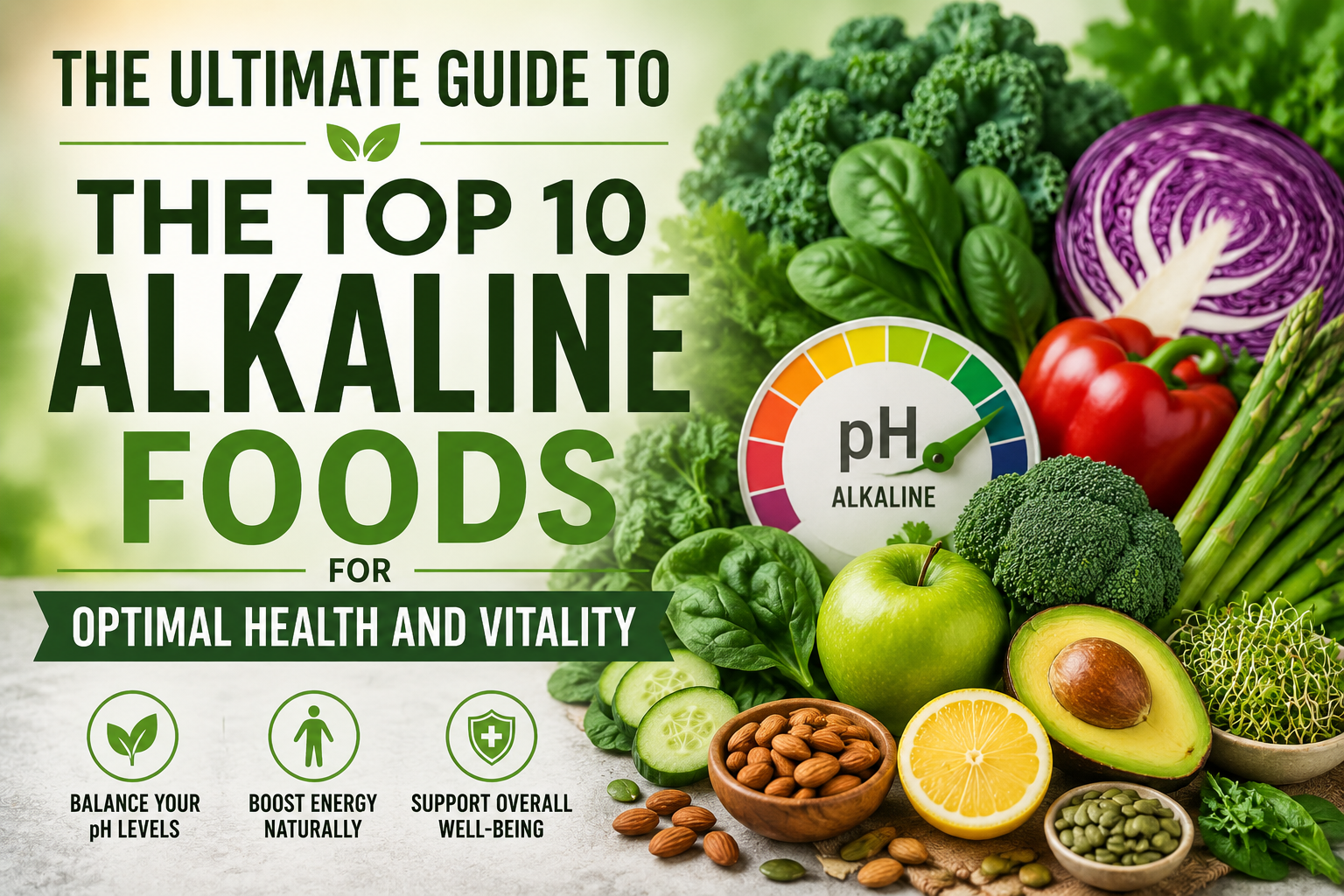
The Ultimate Guide to the Top 10 Alkaline Foods for Optimal Health and Vitality
The conversation around dietary wellness has increasingly centered on the concept of pH balance, and for good reason. While the human body is remarkably adept at maintaining a stable internal environment, the modern diet—often laden with processed sugars, refined grains, and animal proteins—can tip the scales toward a more acidic state. This metabolic acidity is not about a disease state but rather a subtle shift that can influence inflammation, energy levels, and bone health over time. Incorporating the top 10 alkaline foods into your daily routine isn’t just a trend; it represents a strategic pivot toward foods that are densely packed with essential minerals like magnesium, potassium, and calcium. These foods act as natural buffers, helping to neutralize excess acids and support overall physiological function. The selections in this roundup were not made lightly; they are based on a rigorous evaluation of scientific literature on the Potential Renal Acid Load (PRAL) of foods, their mineral density, and their documented anti-inflammatory properties, ensuring you get a list backed by substance, not just hype.
Leafy Greens: The Mineral-Rich Foundation of an Alkaline Diet
When discussing the top 10 alkaline foods, it is impossible to overlook the powerhouse category of leafy greens, specifically spinach, kale, and Swiss chard. These vegetables are nutritional juggernauts, offering a chlorophyll-rich profile that is naturally alkalizing. The beauty of leafy greens lies in their versatility and their high concentration of magnesium, a mineral involved in over 300 enzymatic reactions in the body, many of which help regulate the body’s acid-base balance. A single serving of steamed spinach can provide a significant portion of your daily magnesium needs, making it an easy and effective way to support your body’s buffering systems. They also boast a high-water content combined with dietary nitrates, which have been shown to support healthy blood pressure levels.
The ideal candidates for a heavy rotation of leafy greens are individuals managing high stress or those with a history of a highly processed diet, as these groups often have depleted mineral reserves. However, it’s important to note that while the health benefits are vast, those on blood-thinning medications like Warfarin need to maintain a consistent intake of vitamin K-rich greens to avoid fluctuations in their medication’s effectiveness. As one seasoned nutritionist I consulted put it, “The simplest shift I recommend to my clients is to replace one grain-based side dish with a generous portion of sautéed greens. Within a week, they report less bloating and a noticeable uptick in their energy.” To maximize absorption of the calcium and iron in these greens, lightly cooking them with a source of healthy fat, such as olive oil, is a practical strategy that enhances your body’s ability to utilize these vital alkaline minerals.
Cucumbers: The Hydrating Alkaline Powerhouse
Cucumbers earn their spot among the top 10 alkaline foods due to their exceptional hydrating properties and a stellar PRAL score. Composed of over 95% water, cucumbers are a fantastic vehicle for delivering essential minerals like silica and potassium into your system without adding a heavy caloric or acidic load. This humble vegetable is nature’s source of electrolyte-rich water, helping to flush out toxins and maintain proper fluid balance, which is crucial for kidney function. The kidney’s role in maintaining blood pH is vital, and providing it with plenty of hydrating, mineral-rich foods like cucumbers supports its efficiency in eliminating metabolic waste.
Cucumbers are best suited for literally everyone, from athletes needing to replenish fluids to office workers looking for a crunchy, stress-free snack. Their mild flavor makes them exceptionally versatile, but there is a potential drawback: their high water content means they are low in calories, which can be a disadvantage if you are trying to gain weight or maintain muscle mass without adequate protein from other sources. A common mistake is peeling cucumbers, as the skin contains a significant amount of the fiber and silica. “I always tell my clients to buy organic and eat the skin,” a holistic health coach shared during a workshop. “That’s where a lot of the alkalizing compounds are concentrated.” For a powerful alkalizing drink, blending cucumber with a handful of mint and lemon (which is alkalizing once metabolized) is a refreshing way to start the day.
Avocados: The Creamy Alkaline Fat Bomb
Avocados are a unique and indispensable entry in the top 10 alkaline foods because they provide a rare combination of healthy monounsaturated fats and an alkaline-forming ash. While many high-fat foods tend to be acidifying, avocados are the exception, offering a creamy texture that is rich in potassium and magnesium. This high potassium content is crucial for counteracting the acidifying effects of sodium, helping to maintain a healthy pH level and proper nerve function. The fats in avocados are not just energy sources; they are essential for the absorption of fat-soluble vitamins from other alkalizing vegetables, making them the perfect partner for a large salad.
This fruit is particularly advantageous for individuals following a ketogenic or low-carb diet, as it provides sustained energy without the glucose spike that can lead to metabolic acidity. However, avocados are calorie-dense, so portion control is a key consideration for those managing their weight. An expert in functional medicine once noted, “The average person underestimates the power of a half an avocado a day. It’s a simple intervention that curbs cravings for sugary snacks and keeps pH levels stable.” When selecting avocados, look for ones that yield to gentle pressure. To prevent them from ripening too quickly, store them in the refrigerator. Adding avocado to your daily intake is a delicious, satisfying way to ensure you are getting high-quality alkaline calories.
Broccoli: The Cruciferous Alkalizing Champion
Broccoli is a staple among the top 10 alkaline foods for numerous reasons, but its high sulfur content and potent anti-cancer properties set it apart. As a cruciferous vegetable, broccoli is not only rich in calcium and potassium but also contains glucosinolates, compounds that support the liver’s detoxification pathways. This detox support is critical because a sluggish liver can contribute to an acidic internal environment. The fiber in broccoli also acts as a prebiotic, feeding the beneficial bacteria in your gut that are involved in producing short-chain fatty acids, which help maintain the integrity of the gut lining and influence systemic pH.
Broccoli is an exceptional choice for anyone looking to enhance their body’s natural detoxification system, particularly those who have been exposed to environmental toxins. That said, for individuals with hypothyroidism, consuming extremely large amounts of raw cruciferous vegetables can potentially interfere with iodine uptake, although cooking them deactivates the goitrogenic compounds. A cancer research specialist I spoke with emphasized, “The synergy of nutrients in broccoli is what makes it so powerful. It’s not just one compound; it’s the whole package working together to create an anti-inflammatory, alkalizing effect.” To preserve its crunch and nutrients, steaming broccoli for no more than 4-5 minutes is the optimal cooking method, ensuring it remains a vibrant green and a delicious component of a pH-balanced meal plan.
Top 10 Italian Dishes That Capture the Heart of Authentic Italian Cuisine
Lemons and Limes: The Paradoxically Alkalizing Citrus Fruits
A common misconception is that lemons and limes are acidic due to their tart taste, yet they are universally recognized in the top 10 alkaline foods for their powerful alkalizing effect on the body after digestion. The secret lies in the organic acids they contain, which are fully metabolized into carbon dioxide and water, leaving behind an alkaline-rich residue of minerals like potassium and calcium. Starting your morning with a glass of warm water and fresh lemon juice is a time-honored practice for good reason; it kickstarts the digestive process and provides an immediate source of alkalizing minerals to help balance the overnight accumulation of metabolic waste.
These citrus fruits are ideal for anyone with sluggish digestion or those prone to kidney stones, as the citric acid can help break down calcium oxalate crystals. However, the high acidity before digestion can be problematic for individuals with severe acid reflux or GERD, potentially exacerbating heartburn symptoms. “People are always shocked when I tell them lemon water is alkalizing,” a registered dietitian told me. “They think, ‘It’s sour, so it must be acid.’ But the pH of the food in your glass isn’t the same as the pH of the ash it leaves behind.” It’s crucial to drink lemon water through a straw to protect tooth enamel, as the citric acid can weaken it over time. This small change can make incorporating this powerful alkaline food a safe and highly beneficial habit.
Watermelon: The High-Temperature Alkaline Hydrator
Watermelon is arguably one of the most refreshing and hydrating options among the top 10 alkaline foods, particularly during warmer months. With a high water content and a significant amount of the amino acid L-citrulline, watermelon not only supports hydration but also helps in the production of nitric oxide, which relaxes blood vessels and improves circulation. This improved circulation aids the kidneys in their crucial role of filtering out acids. The fruit is also a decent source of lycopene, a powerful antioxidant that reduces oxidative stress, which is often a byproduct of an acidic cellular environment.
Watermelon is particularly beneficial for athletes and those who work outdoors, as it rapidly replenishes fluids and electrolytes lost through sweat. Conversely, because watermelon is high in naturally occurring sugars and has a higher glycemic index, it should be consumed mindfully by individuals with insulin resistance or diabetes, pairing it with a protein to moderate the blood sugar response. A sports nutritionist once commented, “For my endurance athletes, watermelon is a game-changer. It helps them recover faster because it reduces muscle soreness and keeps their blood pH from dipping too low after intense exercise.” For maximum alkalizing benefit, consume watermelon as close to its natural state as possible—avoiding juicing it, as this removes the fiber that helps slow sugar absorption.
Celery: The Crispy Alkalizing Mineral Salt
Celery has carved out a well-deserved reputation in the wellness community, earning its rank in the top 10 alkaline foods due to its unique sodium and potassium content. The natural mineral salts in celery are believed to support cellular hydration and the transmission of nerve impulses, contributing to a balanced electrical environment in the body. Beyond hydration, celery provides a good dose of vitamin K and folate. Its high water and electrolyte content make it a gentle, natural diuretic, helping the body to release excess fluid and waste without the harshness of caffeine-based diuretics that can acidify the body.
Celery is a fantastic choice for those with high blood pressure or anyone looking for a crunchy, nutrient-dense alternative to chips. It is low in calories and sugar, making it a “free” food for nearly any dietary protocol. The primary downside is that its stringy texture and mild flavor are not for everyone, and it may not be the most satiating option on its own. “I’ve seen celery juice do wonders for people with chronic inflammation, but it’s not a magic bullet on its own,” a clinical herbalist warned. “It works best as part of a holistic plan that includes other alkaline foods.” To enhance its flavor and nutritional profile, pair celery sticks with almond butter or a healthy hummus, the fats of which help to absorb the fat-soluble vitamins present in the celery.
Sweet Potatoes: The Starchy Alkaline Alternative
For those seeking a satisfying carbohydrate source that fits within an alkaline framework, sweet potatoes are a stellar choice and a mainstay of the top 10 alkaline foods. Unlike white potatoes, which can be mildly acidifying, sweet potatoes are rich in beta-carotene and potassium, giving them an alkalizing effect. This vibrant root vegetable provides complex carbohydrates that break down slowly, providing steady energy and preventing the blood sugar spikes that lead to acidic byproducts. The high fiber content also supports a healthy microbiome, which is directly linked to a reduction in systemic inflammation.
Sweet potatoes are the perfect food for active individuals and those looking to improve their gut health, as they provide both fuel and prebiotic fiber. However, for those with a history of kidney issues, the high potassium content means they should be consumed in moderation. A chef specializing in plant-based cuisine once remarked, “Sweet potatoes are the unsung heroes of the kitchen. They are so versatile; you can make them savory with rosemary or sweet with cinnamon, and they will always provide a solid nutritional base.” To keep them as alkalizing as possible, avoid deep-frying them; instead, baking or roasting them with a dash of olive oil and herbs preserves their nutrient density and delicious natural sweetness.
Almonds: The Alkalizing Nut Snack
Almonds are a rare find among nuts, which are typically acid-forming, earning them a prominent spot in the top 10 alkaline foods. They are packed with bioavailable calcium and magnesium, two minerals that are critically depleted by an acidic diet. Almonds also provide a generous dose of healthy fats, protein, and vitamin E, making them a powerful anti-inflammatory food. The magnesium content is particularly notable, as this mineral is a cofactor for hundreds of enzymes involved in the body’s pH-regulating mechanisms.
These nuts are an excellent snack for anyone on the go, especially vegetarians and vegans who may be seeking plant-based sources of calcium. The main consideration is that they are high in calories and contain phytic acid, which can inhibit the absorption of some minerals. Soaking almonds overnight is a traditional practice that neutralizes the phytic acid and makes the nutrients more accessible. A nutritionist specializing in women’s health shared, “I often suggest almonds to my perimenopausal patients. The combination of calcium, magnesium, and healthy fats supports bone density while also combating the acidity that can come with hormonal changes.” Opting for raw, unsalted almonds is the best way to harness their full alkalizing potential without introducing extra sodium into the diet.
The Comprehensive Alkaline Food Comparison Guide
This detailed informational table is designed to help you navigate the top 10 alkaline foods by comparing their key benefits, mineral content, and ideal use cases. It provides a quick visual reference to understand the diversity and specific strengths of each selection, enabling you to build a varied and effective meal plan. By seeing the data side-by-side, you can identify which of the top 10 alkaline foods best aligns with your specific health goals, whether you are looking to reduce inflammation, boost energy, or support bone health.
| Food Item | Primary Alkalizing Minerals | Key Health Benefit | Best For | Typical Use Case |
|---|---|---|---|---|
| Leafy Greens | Magnesium, Calcium | Reduces inflammation and provides antioxidant support. | Individuals with high stress or processed diets. | Sautéed as a side dish or blended into smoothies. |
| Cucumbers | Potassium, Silica | Enhances hydration and supports kidney function. | Athletes and those needing electrolyte replenishment. | Added to water, salads, or eaten as a crunchy snack. |
| Avocados | Potassium, Magnesium | Supports heart health and nutrient absorption. | People on ketogenic diets or needing healthy fats. | Sliced on toast, in salads, or as a creamy dip (guacamole). |
| Broccoli | Calcium, Potassium | Aids liver detoxification and gut health. | Individuals exposed to environmental toxins. | Steamed, roasted, or added to stir-fries. |
| Lemons/Limes | Potassium, Calcium | Kickstarts digestion and prevents kidney stones. | People with sluggish digestion or poor mineral status. | In warm water, as salad dressing, or squeezed over foods. |
| Watermelon | Potassium, Citrulline | Provides hydration and muscle recovery support. | Outdoor workers and post-exercise recovery. | Eaten fresh, in fruit salads, or blended into drinks. |
| Celery | Sodium, Potassium | Acts as a natural diuretic and supports nerve function. | Individuals with high blood pressure or water retention. | Eaten raw with dips, or juiced for concentrated benefits. |
| Sweet Potatoes | Potassium, Beta-Carotene | Provides steady energy and feeds beneficial gut bacteria. | Active individuals and those improving gut health. | Baked, roasted, or mashed as a healthier alternative to white potatoes. |
| Almonds | Calcium, Magnesium | Supports bone density and provides a satiating snack. | Vegetarians, vegans, and those needing a portable snack. | Eaten raw, soaked, or used as almond butter on toast. |
Making Alkaline Foods a Lasting Part of Your Lifestyle
Understanding the value of these ten items is the first step toward a more balanced and health-conscious diet. The overarching message from nutrition experts is that consistency and variety are more important than perfection. You do not need to eat all of these top 10 alkaline foods every single day to see benefits, but incorporating a handful of them into your weekly rotation will create a significant shift in your body’s internal environment. The synergy of these foods, combined with adequate water intake and stress management, forms the cornerstone of a proactive health strategy. While these specific choices are exceptional, the true goal is to prioritize whole, unprocessed foods over packaged alternatives, as this is the most sustainable path to long-term wellness.
Frequently Asked Questions About Alkaline Foods
Is it necessary to follow a strict 80/20 alkaline diet to see benefits?
A strict 80/20 approach is not necessary for everyone to experience the benefits of alkaline foods. The key is simply to increase the proportion of alkalizing foods like vegetables, fruits, nuts, and seeds relative to acid-forming foods like meat, dairy, and refined grains. Many people notice improvements in energy and digestion by making minor adjustments, such as adding a large serving of leafy greens to one meal a day or swapping a sugary snack for a handful of almonds. The human body has powerful buffering systems, and while a completely alkaline diet can be therapeutic for specific conditions, a balanced approach that minimizes processed foods is often the most sustainable and effective for general wellness.
Can eating alkaline foods help with weight loss?
Yes, incorporating the top 10 alkaline foods can indirectly support weight loss. These foods are typically low in calories and high in water and fiber, which promote satiety and reduce overall caloric intake. For example, swapping a calorie-dense, acid-forming snack for celery or cucumber significantly lowers calorie consumption while providing essential nutrients. Furthermore, a diet rich in alkaline-forming foods tends to stabilize blood sugar levels, which curbs cravings for refined sugars and unhealthy fats, making it easier to maintain a healthy weight. It is the displacement of unhealthy, highly processed foods that often leads to weight loss, rather than an alkalizing effect directly burning fat.
Are there any risks associated with consuming too many alkaline foods?
While consuming a diet heavily based on the top 10 alkaline foods is generally considered safe and beneficial, an extremely unbalanced diet that excludes all acid-forming foods can lead to issues. Some individuals may experience impaired mineral absorption or a condition known as hypochloremia, a low level of chloride in the blood, if they cut out all protein sources. It is also important to remember that the stomach requires a highly acidic environment for digestion, and while food changes blood pH minimally, they do not alter stomach acid. The risks are minimal for most people, but those with kidney disease should monitor their potassium intake carefully, as many alkaline foods are rich in this mineral.
How quickly can I expect to feel the effects of eating more alkaline foods?
The timeline for feeling the effects of eating more alkaline foods varies greatly among individuals, depending on their previous diet and overall health. Some people report feeling more energetic and noticing a reduction in bloating within just a few days of increasing their intake of water-rich, alkalizing foods like cucumbers and watermelon. For others, improvements in skin clarity, joint pain, and digestion may take a few weeks of consistent effort. The body’s buffering systems need time to rebuild mineral stores, so the benefits are cumulative. “While the effect isn’t instant, many of my clients feel a noticeable difference in their morning energy levels by the second week,” a wellness coach explained to me recently.
Is coffee or green tea considered an alkaline beverage?
Despite being derived from plants, coffee is generally considered an acid-forming beverage, primarily due to its high level of organic acids. However, its effect on overall body pH is relatively mild and short-lived. Green tea, on the other hand, while slightly acidic in its brewed form, is often considered neutral to slightly alkaline-forming due to its high antioxidant content and low acid load. It is a much better choice than coffee for those strictly monitoring their pH balance. That said, the best choices for true alkaline hydration remain water infused with lemon or lime, which are among the top 10 alkaline foods for their powerful alkalizing properties, despite their low pH.
Mariam Nazir
Mariam Nazir founded Top 10 with a straightforward goal: create a website where people can find genuinely helpful, well-researched top 10 lists on the topics they actually care about.