
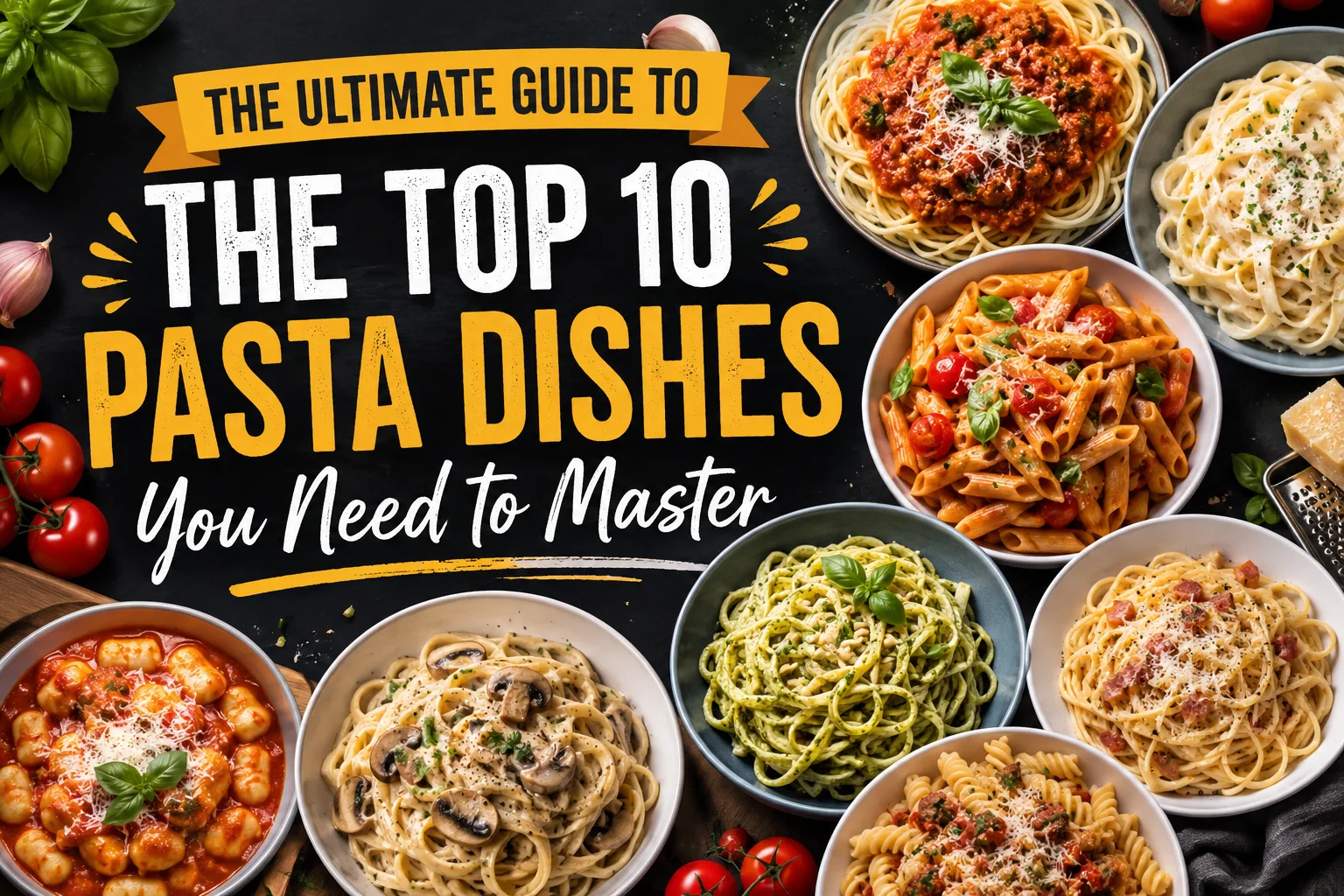
The Ultimate Guide to the Top 10 Pasta Dishes You Need to Master
Pasta is more than just food; it is a cornerstone of culinary culture, a canvas for regional ingredients, and a comfort food that transcends borders. With thousands of shapes and an infinite number of sauces, narrowing down the absolute best is a challenge. However, after spending years studying Italian regional cooking and testing recipes in home and professional kitchens, a clear hierarchy emerges. This list of the top 10 pasta dishes isn’t just about popularity; it is about balance, historical significance, and the perfect marriage of sauce and noodle. Whether you are a home cook looking to expand your repertoire or a diner seeking the ultimate bowl, these selections represent the pinnacle of pasta-making.
To curate this definitive list, we evaluated each dish on four core criteria: the simplicity and quality of its ingredients, the technical skill required to execute it perfectly, its cultural impact and regional authenticity, and the overall sensory experience it delivers. We prioritized dishes that offer a perfect harmony of texture and flavor, ensuring that each bite is as good as the last. This is not just a list of crowd-pleasers; it is a roadmap to understanding what makes pasta one of the world’s most beloved foods. So, get ready to explore the iconic, the comforting, and the truly magnificent.
Carbonara: The Roman Classic That Defines Simplicity
Carbonara is the undisputed king of Roman pasta, and for good reason. Its magic lies in its minimalist ingredients: eggs, Pecorino Romano cheese, guanciale (cured pork cheek), and black pepper. The true test of a great Carbonara is the creation of a creamy, velvety sauce without a drop of cream. This is achieved by tempering the egg and cheese mixture with a bit of the starchy pasta water, creating an emulsion that clings perfectly to the spaghetti or rigatoni. The guanciale renders its fat, providing a rich, porky foundation that is both savory and deeply satisfying. “The first time I had a proper Carbonara in Rome, I realized that cream is a crutch for bad technique,” says Chef Marco Rosetti, a specialist in Roman cuisine. “The real sauce is a silky, rich coating that comes entirely from the egg and cheese.”
This dish is best for the adventurous home cook who wants to master a fundamental technique. It is also the perfect choice for a special date night or a comforting meal when you need something rich and decadent. The strengths of Carbonara are its intense flavor and luxurious texture, but it demands respect and attention. The primary weakness is that it can be finicky; if the eggs are overheated, you will end up with scrambled eggs in pasta, a sad and common mistake. It is also a heavy dish, best enjoyed in moderation. For the best results, use high-quality, fresh eggs and authentic guanciale, not bacon or pancetta, which alter the flavor profile significantly.
Cacio e Pepe: The Quintessential Empty Pantry Savior
If Carbonara is the king, then Cacio e Pepe is the elegant, minimalist philosopher of the pasta world. This dish is a testament to the power of just three ingredients: pasta, Pecorino Romano, and black pepper. Hailing from the Lazio region, it is the ultimate “empty pantry” meal that transforms humble staples into a gourmet experience. The key is to create a creamy sauce by combining finely grated Pecorino with a small amount of pasta water and a generous amount of freshly cracked black pepper. The starch from the water acts as an emulsifier, binding the fat from the cheese and the water into a smooth, cohesive sauce that drapes over the tonnarelli or spaghetti.
Cacio e Pepe is ideal for anyone who appreciates bold, pungent flavors and wants to test their pasta technique. It is a weeknight warrior that is fast, cheap, and incredibly delicious. Its greatest strength is its simplicity and the purity of its flavors. However, this simplicity is also its greatest weakness; it relies entirely on the quality of a few ingredients. Using pre-ground pepper or low-quality cheese will result in a bland, grainy mess. The sauce can also seize up if the water isn’t starchy enough or if it cools down too much, so working quickly is essential. “Making a great Cacio e Pepe is less about cooking and more about chemistry,” notes food scientist Harold McGee. “You are creating a stable emulsion that is delicate and requires a gentle hand.” This dish is for the purist who believes that less is truly more.
Ragù alla Bolognese: The Slow-Cooked Meat Masterpiece
Ragù alla Bolognese is the ultimate comfort food and a cornerstone of Italian cooking from the Emilia-Romagna region. Unlike the meat-heavy, tomato-centric “spaghetti bolognese” often found outside of Italy, the authentic version is a rich, slow-cooked meat sauce that uses a small amount of tomato paste or puree as an accent, not the main event. The process begins with a traditional soffritto of onion, celery, and carrot, which is then layered with ground beef and pork. The meat is slowly simmered in a combination of white wine and milk or cream, which tenderizes the meat and adds an incredible depth of flavor. This sauce is traditionally served with wide, flat noodles like tagliatelle, pappardelle, or the beloved lasagna, as the broad shape catches the thick, clinging sauce.
This dish is best for those who love to cook on a lazy Sunday, filling the house with an aroma that promises a rewarding meal. It is the perfect meal for feeding a crowd or for meal prepping, as the flavors deepen and improve over time. The strength of a genuine Ragù is its complex, layered flavor profile and melt-in-your-mouth texture. The downside is the time commitment; a good ragù requires at least three to four hours of gentle simmering. It is not a quick fix. However, for the patient cook, this is one of the most rewarding top 10 pasta dishes you can master, offering a taste of true Italian hospitality.
Pesto alla Genovese: The Vibrant Taste of Summer
Originating from Liguria, Pesto alla Genovese is a vibrant, herbaceous sauce that captures the essence of summer. This uncooked sauce is a blend of fresh basil, garlic, pine nuts, Parmesan cheese, Pecorino cheese, and high-quality extra virgin olive oil. The ingredients are traditionally ground with a mortar and pestle, which releases the essential oils from the basil and garlic more gently than a food processor, resulting in a more aromatic and less bitter sauce. The bright green color and the intoxicating fragrance of fresh basil make it an instant mood lifter. While traditionally paired with trofie or trenette pasta, it is also fantastic on potatoes and green beans, a classic Ligurian pasta salad.
Pesto is perfect for a quick, fresh summer meal when basil is at its peak. It is a fantastic choice for a light lunch or dinner and is a great way to use an abundance of garden basil. Its greatest strength is its fresh, bold flavor and the fact it requires no cooking. The weaknesses include its high-fat content and its tendency to oxidize and turn brown quickly. It also requires a good amount of high-quality olive oil, which can be expensive. “The secret to a great pesto is the basil—it must be the small-leaved, intensely fragrant variety from Liguria,” says pesto expert Giovanni Battista. “And never, ever use a food processor if you want a truly traditional sauce.” This is a dish that celebrates the art of simplicity.
Amatriciana: A Spicy, Tomato-Based Roman Tradition
Hailing from the town of Amatrice in Lazio, this dish is a fiery and deeply flavorful combination of tomato, guanciale, and Pecorino Romano. It is a more robust cousin to Carbonara, offering a bright, acidic tomato base that is balanced by the rich, salty fat of the guanciale and the heat of red pepper flakes. The sauce is simple and quick to make, requiring just a few quality ingredients. The guanciale is rendered until crispy, then tomato puree is added and simmered briefly. The heat from the chili and the sharpness of the cheese create a symphony of flavors that is both comforting and invigorating. This sauce is traditionally paired with a long, hollow pasta like bucatini, which traps the sauce and pieces of guanciale inside its tube.
Amatriciana is best for someone looking for a pasta dish with a bit of a kick. It is perfect for a weeknight dinner when you are craving something savory and satisfying without the fuss of a long cook time. The strengths of Amatriciana are its bold, punchy flavor and its quick preparation. The primary weakness is that it can be too salty if you are not careful with the cheese and guanciale. It also relies heavily on the quality of the guanciale; if the meat is not well-cured, it can be overly greasy. This is one of the top 10 pasta dishes that proves a few high-quality ingredients can create a truly spectacular meal.
Fettuccine Alfredo: The Americanized Italian Icon
While Fettuccine Alfredo is virtually unknown in Italy as a traditional dish, its American popularity earns it a firm spot on this list. The original version, created by Alfredo di Lelio in Rome, was a simple dish of fettuccine tossed with butter and Parmesan cheese. The iconic, heavy cream-laden version is an American adaptation that has become a global favorite. Its allure lies in its richness and pure comfort factor. When done correctly, the heavy cream, butter, and parmesan melt together into a thick, velvety sauce that blankets the wide, flat noodles, creating a decadent and satisfying experience.
This dish is best for those seeking the ultimate comfort food or a rich, satisfying meal for children and adults alike. It is a go-to for a creamy, indulgent dinner. Its strength is its creamy texture and mild, appealing flavor. The obvious weakness is its nutritional profile—it is incredibly rich, heavy, and high in calories. The sauce can also break and become greasy if not made with care. To ensure a perfect Alfredo, use high-quality Parmigiano-Reggiano and real butter. For an American classic, this is a great option, but for the best results, look for a recipe that uses the original Roman method of using the pasta water to create the emulsion, which yields a silkier sauce without the need for heavy cream.
Lasagna al Forno: The Baked Layered Wonder
Lasagna al Forno is the ultimate baked pasta dish, a project that yields a spectacular, show-stopping result. This dish from Emilia-Romagna is composed of wide, flat sheets of pasta, layered with a rich Ragù (as discussed earlier), creamy béchamel sauce, and a generous amount of Parmesan cheese. The process of layering these components is a labor of love, but the result is a golden, bubbling casserole with a crispy top and a tender, gooey interior. Each forkful delivers a perfect balance of meaty sauce, creamy béchamel, and al dente pasta.
Lasagna is best for feeding a large group, a holiday dinner, or when you have the time to invest in a complex, rewarding dish. It is a fantastic centerpiece for a dinner party. The strengths are its depth of flavor, its ability to be prepared ahead of time, and its impressive presentation. The weaknesses are the significant time and effort required to assemble and bake it. It can also be easy to make it too dry or too runny. “The key to a great lasagna is not to overload it with sauce,” says Chef Giulia Verdi. “Each layer should be a thin, balanced coating that allows all the flavors to meld together.” It is a timeless classic and one of the most celebrated top 10 pasta dishes worldwide.
Puttanesca: A Pungent, Flavorful Sauce from Naples
Puttanesca is a bold, assertive, and savory pasta sauce that originates from Naples. Its flavor profile is built on a base of tomatoes, garlic, olives, capers, and anchovies. This combination creates a sauce that is simultaneously salty, briny, and slightly spicy, with a depth of umami that is incredibly addictive. It is a quick-cooking sauce that packs a powerful punch. The garlic is sautéed in olive oil before the anchovies are added and melted down, creating a rich base. Then, the tomatoes, olives, and capers are added and simmered briefly to marry the flavors.
This dish is perfect for those who love strong, briny flavors and are looking for a quick, exciting weeknight dinner. It is also a great option for a meal that feels sophisticated without requiring much work. The strength of Puttanesca is its powerful, complex flavor and its fast cooking time. The weakness is that its strong taste is not for everyone; some may find the anchovies and capers too intense. It also requires a well-stocked pantry. As food writer Jeffrey Steingarten once said, “Puttanesca is a sauce for those who are not afraid of bold flavors.” It is a staple in the list of top 10 pasta dishes for any adventurous eater.
Aglio e Olio: The Minimalist’s Delight
Spaghetti Aglio e Olio is the simplest dish on this list, and its beauty lies in that very simplicity. Literally translating to “garlic and oil,” it is a staple of Italian home cooking. The sauce is made by slowly sautéing thinly sliced garlic in a generous amount of high-quality extra virgin olive oil. A pinch of red pepper flakes adds a gentle warmth. When the garlic is perfectly golden, the cooked spaghetti is tossed in the oil along with some pasta water, creating a light, silky sauce that is incredibly flavorful. A final garnish of fresh parsley and a squeeze of lemon brightens the dish.
This dish is best for the most resourceful and skilled cook. It is the ultimate test of technique and ingredient quality. It is a perfect late-night meal or a simple lunch. The strength of Aglio e Olio is its pure, clean taste and its ability to highlight the quality of the olive oil and garlic. The downside is that it is so simple, any mistakes are glaringly obvious. Burnt garlic will ruin the entire dish. It is also a very light sauce, which might not satisfy someone looking for a more substantial meal. It is a brilliant example of how the top 10 pasta dishes can be found in the most humble of ingredients.
Cavatelli con Broccoli: A Rustic Puglian Classic
Cavatelli con Broccoli represents the rustic, vegetable-forward cooking of Southern Italy, specifically the Puglia region. This dish features small, shell-shaped pasta that is perfect for catching a chunky sauce of tender broccoli, garlic, anchovies, and chili flakes. The broccoli is often cooked until it is very soft, almost melting into the sauce, and the anchovies provide a subtle backbone of umami. It is a hearty, wholesome meal that is both healthy and deeply satisfying, showing that pasta can be more than just a vehicle for heavy sauces.
This dish is best for a healthy, weeknight meal that is packed with flavor and nutrients. It is ideal for those looking for a lighter pasta option that doesn’t compromise on taste. Its strength is its combination of robust, earthy flavors and its relatively healthy profile. The weakness is that it is a more casual dish; it might not be the first choice for a fancy dinner party. Achieving the right texture for the broccoli—cooked through but not mushy—requires a bit of practice. This dish exemplifies the diverse and exciting world of regional Italian pasta, earning its spot in the top 10 pasta dishes.
A Comprehensive Comparison of Iconic Pasta Dishes
To help you decide which of these top 10 pasta dishes to try first, here is a detailed comparison of their key attributes.
| Pasta Dish | Flavor Profile | Key Ingredients | Complexity | Best Occasion |
|---|---|---|---|---|
| Carbonara | Rich, Savory, Porky | Eggs, Guanciale, Pecorino, Pepper | Medium | Date Night, Special Meal |
| Cacio e Pepe | Sharp, Peppery, Pungent | Pecorino, Black Pepper | Medium | Weeknight Challenge |
| Ragù alla Bolognese | Deep, Meaty, Complex | Beef, Pork, Soffritto, Wine | High | Sunday Dinner, Crowds |
| Pesto alla Genovese | Fresh, Herbaceous, Garlicky | Basil, Pine Nuts, Garlic, Olive Oil | Low | Summer Lunches, Quick Meals |
| Amatriciana | Spicy, Tomatoey, Salty | Guanciale, Tomato, Pecorino, Chili | Low | Weeknight Dinners |
| Fettuccine Alfredo | Rich, Creamy, Buttery | Heavy Cream, Butter, Parmesan | Low | Comfort Food, Kids Meals |
| Lasagna al Forno | Complex, Hearty, Cheesy | Ragu, Béchamel, Pasta Sheets, Parmesan | Very High | Holidays, Large Groups |
| Puttanesca | Briny, Savory, Pungent | Anchovies, Olives, Capers, Tomatoes | Low | Quick, Flavorful Meals |
| Aglio e Olio | Clean, Garlicky, Light | Garlic, Olive Oil, Chili Flakes | Very Low | Light Lunches, Late Meals |
| Cavatelli con Broccoli | Earthy, Umami, Wholesome | Broccoli, Anchovies, Garlic, Chili | Medium | Healthy Weeknight Dinners |
Wrapping Up the Journey Through Pasta Perfection
The world of pasta is vast and varied, but these ten dishes stand as pillars of culinary achievement. From the rich, eggy creaminess of a Roman Carbonara to the bright, herbaceous notes of a Ligurian Pesto, each dish offers a unique glimpse into the history and soul of Italy. The best choice ultimately depends on your mood, the occasion, and the ingredients you have on hand. We encourage you to move beyond the familiar and explore the techniques and regional differences that make each of these selections special. Mastering these top 10 pasta dishes will not only elevate your cooking but also connect you to a rich and delicious culinary tradition.
Frequently Asked Questions
What makes a pasta dish one of the top 10 pasta dishes?
A dish earns its spot among the top 10 pasta dishes based on a combination of cultural significance, regional authenticity, the quality of its ingredients, and the perfect balance of flavors and textures. A truly great pasta dish should be greater than the sum of its parts, showcasing simplicity and technique.
Which of the top 10 pasta dishes is the easiest to make for a beginner?
For a beginner, Spaghetti Aglio e Olio and Pesto alla Genovese are the most accessible. They require very few ingredients and minimal cooking time. However, they demand high-quality ingredients and careful attention to avoid burning the garlic in Aglio e Olio or oxidation in Pesto.
Are these top 10 pasta dishes healthy?
It depends on the dish. Cavatelli con Broccoli and Pesto alla Genovese are considered healthier options due to the high vegetable and healthy fat content. Dishes like Fettuccine Alfredo and Carbonara are richer and higher in calories and fat, best enjoyed in moderation as an occasional indulgence.
Can I substitute ingredients in these top 10 pasta dishes?
While substitutions are possible, they will alter the authentic flavor profile. For instance, using pancetta or bacon instead of guanciale in Carbonara or Amatriciana will change the flavor. Using a food processor for pesto instead of a mortar and pestle can make it bitter. For the best results, try to source the authentic ingredients.
What pasta shape is best for a meaty sauce like Ragù?
For a chunky, meaty sauce like Ragù alla Bolognese, wide, flat noodles with lots of surface area are best. Shapes like tagliatelle, pappardelle, or fettuccine are ideal because their rough, porous surfaces allow the thick sauce to cling to every strand.
Mariam Nazir
Mariam Nazir founded Top 10 with a straightforward goal: create a website where people can find genuinely helpful, well-researched top 10 lists on the topics they actually care about.