
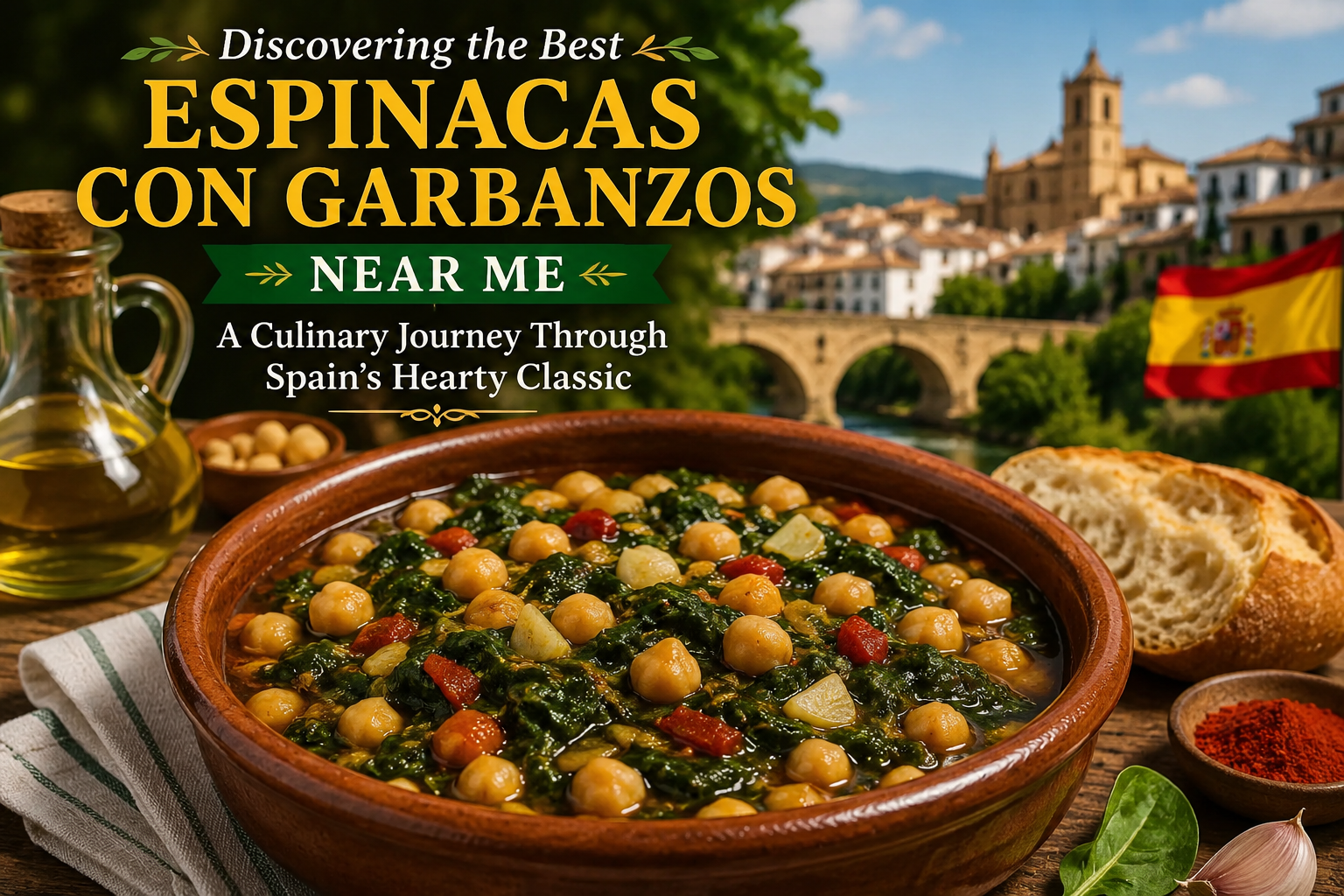
Discovering the Best Espinacas con Garbanzos Near Me: A Culinary Journey Through Spain’s Hearty Classic
The quest for the best espinacas con garbanzos near me often begins not with a map, but with a memory. For many, it is the scent of sizzling garlic and smoky pimentón wafting from a small, tile-lined tavern in Seville. For others, it is the craving for a dish that feels both rustic and refined, a humble stew of spinach and chickpeas that somehow transcends its simple ingredients. This dish, deeply rooted in Andalusian cuisine, represents the soul of Spanish comfort food. It is a testament to how the simplest pantry staples, when combined with skill and tradition, can create something profoundly satisfying. As we explore the nuances of this iconic plate, we move beyond mere sustenance to understand the culture, the history, and the art of finding a truly exceptional version, whether in the heart of Spain or in your own neighborhood.
Understanding why this dish captivates palates worldwide requires a deep dive into its components. Espinacas con garbanzos is not merely a spinach and chickpea stew; it is a study in contrasts. The earthy, creamy texture of the garbanzos (chickpeas) plays against the tender, verdant leaves of the spinach, while the sauce—often enriched with bread, almonds, or both—provides a velvety backdrop for the smoky paprika and pungent garlic. This balance is the hallmark of a great rendition. When one searches for the best espinacas con garbanzos near me, they are essentially seeking a kitchen that understands this delicate equilibrium, a place where the cook respects the ingredient’s integrity while coaxing out maximum flavor through time-honored techniques.
The Historical Tapestry of Espinacas con Garbanzos
To appreciate the dish fully, one must travel back in time to the Moorish occupation of the Iberian Peninsula. The Moors introduced a sophisticated agricultural system that included the cultivation of chickpeas and spinach, alongside a rich tapestry of spices. This culinary fusion laid the groundwork for what would become a cornerstone of Spanish gastronomy. The marriage of these two ingredients was not accidental; chickpeas provided necessary protein and substance, while spinach offered vital nutrients, creating a complete and sustaining meal that was both economical and delicious. Over centuries, this dish evolved, absorbing influences from Sephardic Jewish cuisine and Christian traditions, solidifying its place in the Spanish culinary canon.
The cultural significance of espinacas con garbanzos is particularly pronounced in Seville, where it is a Lenten staple. During the solemn period of Cuaresma, when meat consumption is traditionally restricted, this hearty stew emerges as a star on restaurant menus and in home kitchens. Its popularity during this time underscores its role as a dish of comfort and community. A local Sevillian chef might recall, “My grandmother always said the secret is in the pimentón—it’s the color and the soul of the stew. Without good paprika, you have nothing.” This reverence for ingredients is a common thread among those who have mastered the dish. Therefore, your search for the best espinacas con garbanzos near me is not just a search for food; it is a search for authentic heritage.
Decoding the Ingredients: The Foundation of Flavor
The path to the best espinacas con garbanzos near me begins with an understanding of the core ingredients and their roles. The chickpea, or garbanzo, is the heart of the dish. In Spain, the preference is almost universally for dried chickpeas that have been soaked overnight, as opposed to canned varieties. This traditional approach allows the legumes to maintain a firm yet creamy texture and absorb the flavors of the cooking liquid more profoundly. The soaking process is crucial; it rehydrates the beans, allowing them to cook evenly and develop that sought-after buttery quality. A restaurant that takes the time to prepare their garbanzos from dried beans demonstrates a commitment to authenticity that often translates directly to the final taste.
Spinach, the verdant counterpart, must be handled with care to avoid a watery or stringy texture. Fresh spinach, whether mature or baby, is often preferred for its vibrant color and delicate flavor. However, frozen spinach, when properly thawed and squeezed of excess liquid, can be a practical substitute that still yields excellent results. The key is to incorporate the spinach late in the cooking process, allowing it to wilt and meld with the sauce without disintegrating. A great cook knows that the spinach should retain its identity, providing a fresh, slightly mineral note that balances the richness of the chickpeas and the smoky intensity of the paprika.
The Essential Role of Pimentón and Sofrito
The flavor profile of this dish is undeniably anchored by pimentón, or Spanish paprika. This is not the generic paprika found in many supermarkets; it is a complex spice made from dried and smoked peppers. The two main varieties are dulce (sweet) and picante (spicy), both of which provide depth and a distinctive rustic hue. The pimentón is often bloomed in hot olive oil with garlic, a step that releases its essential oils and infuses the oil with a smoky, earthy essence. This oil then becomes the foundation of the sofrito, a slow-cooked mixture of onions, garlic, and sometimes tomatoes, which forms the flavor base for the entire dish. The quality of the pimentón can make or break the dish; a superior, authentic Spanish paprika will yield a far superior stew.
Another component that can elevate a good espinacas con garbanzos to a great one is the picada. This is a classic Catalan and Spanish technique involving the grinding of toasted bread, almonds, garlic, and parsley into a paste. The picada is added towards the end of the cooking process, acting as a thickener and a flavor enhancer. It introduces a subtle nuttiness and a creamy texture that binds the sauce together. While not every version uses this method, its presence is often an indicator of a traditional, carefully crafted recipe. When evaluating the options that appear in your search for the best espinacas con garbanzos near me, paying attention to these subtle details can reveal which restaurants prioritize depth of flavor over speed.
Regional Variations and Culinary Interpretations
While espinacas con garbanzos is strongly associated with Seville, it is important to recognize that regional interpretations exist across Spain. In some areas, the addition of tomatoes to the sofrito is a common practice, lending a touch of sweetness and acidity to the dish. This variation creates a sauce that is slightly more vibrant and less austere than the Sevillian version, which often forgoes tomato to allow the paprika to command the flavor profile. Other regions may incorporate cumin, adding a warm, slightly bitter note that harkens back to the dish’s Moorish roots. These subtle differences are what make Spanish cuisine so diverse and interesting, offering a mosaic of flavors to discover.
Away from Spain, particularly in the United States, chefs often put their own spin on the dish, which can be both a blessing and a curse. Some may add additional vegetables like bell peppers or carrots, while others might experiment with different types of smoked paprika or even chipotle for a Mexican-inspired twist. While innovation is exciting, these interpretations can sometimes stray far from the essence of the original. When you are on a quest to find the best espinacas con garbanzos near me, it is helpful to understand what to look for. A version that remains faithful to the core components—smoky, garlicky, and homogenous in texture—is likely a more reliable indicator of traditional expertise.
The Sevillian Standard
The most iconic version, widely considered the benchmark, is the Sevillian style. In this preparation, the chickpeas are stewed until tender in a rich, deep red sauce made with generous amounts of pimentón, garlic, and olive oil, often without the addition of tomato. The color of the sauce is a deep brick-red, indicative of the quality and quantity of the paprika used. This style is characteristically thick and unctuous, with the chickpeas holding their shape but yielding easily to pressure. It is typically served in a clay cazuela, a traditional earthenware dish that retains heat beautifully and adds a rustic charm to the presentation. This traditional serving vessel is not just for show; it is integral to the experience and often a sign of an authentic establishment.
Restaurants in Seville that have perfected this dish treat it with a reverence reserved for culinary heirlooms. They often have their own secrets, passed down through generations, concerning the exact ratio of paprika to garlic or the precise moment to add the spinach. As a journalist once noted while visiting a famous tapas bar in the Santa Cruz neighborhood, “The espinacas here tastes like a thousand years of history, condensed into a single, perfect spoonful.” These establishments are the gold standard. When looking for the best espinacas con garbanzos near me, those that emulate this Sevillian dedication to tradition—using quality ingredients, showing patience in the cooking process, and respecting the dish’s cultural roots—are the ones most likely to offer an unforgettable experience.
The Importance of Olive Oil and Quality Spices
The Spanish saying “aceite de oliva, todo sea” (olive oil, everything is) underscores the critical importance of this liquid gold in Mediterranean cooking. In espinacas con garbanzos, olive oil is not merely a cooking medium; it is a fundamental flavor component. The best versions of the dish use a robust, high-quality extra virgin olive oil that can stand up to the heat of the sofrito and impart a fruity, peppery finish to the stew. A cook who understands this will often use a generous glug of oil, knowing that it contributes to the silkiness of the final texture and the richness of the overall flavor. Skimping on the olive oil is one of the quickest ways to compromise the dish’s integrity.
Similarly, the use of fresh, high-quality garlic and a superior pimentón is non-negotiable. The garlic should be gently sautéed until just fragrant, never burned, as burnt garlic introduces a bitter note that can ruin the entire pot. The pimentón should be sourced from reputable producers in regions like La Vera or Murcia, known for their exceptional smoked paprika. The spice should be fresh, as it loses its potency over time. When a restaurant invests in these key ingredients, it sends a clear message about its culinary priorities. Therefore, when you are evaluating options for the best espinacas con garbanzos near me, consider whether the establishment likely uses these premium components. The investment in quality often correlates directly with the quality of the final dish.
Sourcing Locally vs. Authenticity
A common question that arises when searching for the best espinacas con garbanzos near me is whether to look for a restaurant that imports all its ingredients from Spain or one that uses local, fresh produce. The answer is often a blend of both. The most authentic flavor profile requires Spanish pimentón and high-quality Spanish olive oil, as these are unique to the terroir. However, fresh spinach and other vegetables can certainly be sourced locally to enhance the dish’s vibrancy. A savvy chef will use imported spices to achieve the necessary smoky depth while utilizing fresh local produce to ensure the spinach is at its peak.
In the United States, the availability of dried Spanish chickpeas can be a challenge. Many restaurants will turn to high-quality canned garbanzos as a practical alternative. While a traditionalist might argue that dried beans are always superior, a skilled chef can coax excellent results from a quality canned product by rinsing them well and integrating them carefully into the stew to prevent mushiness. The key lies in the cooking process and the sauce’s balance. Thus, while the “authenticity” of the chickpeas is important, it is not necessarily the only factor in determining the best espinacas con garbanzos near me. The overall execution, flavor balance, and the cook’s skill are far more significant indicators of a superior dish.
Serving Suggestions and Wine Pairings
Understanding how to enjoy espinacas con garbanzos can greatly enhance the overall experience. In Spain, it is most often served as a tapa or a half-portion in a small cazuela. A common accompaniment is a side of crusty bread, like a rustic pan de pueblo, which is essential for soaking up every last drop of the flavorful sauce. The bread acts as an edible utensil, allowing you to enjoy the full spectrum of the stew’s flavors. Some might also enjoy a simple side salad of mixed greens with a light vinaigrette to cut through the richness of the dish. In many regions, it is a meal in itself, offering a complete and satisfying dining experience.
When it comes to wine, the robust, earthy flavors of espinacas con garbanzos call for equally robust partners. A classic pairing is a dry, medium-bodied Spanish red like a Rioja Crianza or a Ribera del Duero. The bright acidity of Tempranillo-based wines cuts through the richness of the olive oil and chickpeas, while the red fruit notes complement the smoky pimentón. For those who prefer white wine, a floral and slightly smoky Albariño from the Rías Baixas region of Galicia can be a surprising and excellent choice. Its minerality and acidity provide a refreshing contrast. Additionally, a cold glass of crisp, dry sherry, like a Fino or Manzanilla, is an authentic Andalusian pairing that cleanses the palate. Choosing the right wine can elevate the entire meal, transforming a simple tapas dish into a memorable culinary event.
Finding Your Local Gem: A Practical Guide
So, how does one actually go about finding the best espinacas con garbanzos near me in a practical sense? The process begins with research. Look beyond the top review sites and delve into food blogs, local publications, and Spanish cultural centers in your area. Often, the most authentic places are not the ones with the most Instagram followers but are instead the hidden gems, known for a specific dish. Pay attention to mentions of regional cuisines. A restaurant that specializes in Andalusian or Sevillian cuisine is more likely to have a stellar version of this dish than a general Spanish or tapas restaurant.
Another effective strategy is to observe the restaurant’s clientele. If you walk by a Spanish restaurant and see a crowd of people from Spain or Latin America dining there, that is a strong indicator of authenticity. Furthermore, examine the menu. Does the restaurant use the traditional Castilian or Andalusian term “espinacas con garbanzos,” or does it opt for a more anglicized description? Is the dish presented as a simple tapa or a carefully described main course? The level of detail and specificity on the menu often reflects the chef’s knowledge and respect for the dish. By applying these practical observation skills, you significantly increase your chances of a satisfying culinary experience and of truly discovering the best espinacas con garbanzos near me.
Asking the Right Questions
To refine your search, don’t be afraid to ask questions. When you are at a tapas bar, you might engage the bartender or server in conversation. Instead of simply asking if the dish is good, inquire about how they prepare it. Do they make their own chickpeas from scratch? What kind of pimentón do they use? These questions demonstrate your interest and knowledge, and they can provide you with a wealth of information. A chef who is proud of their dish will be happy to explain the process and the ingredients. The answers will help you determine if the restaurant aligns with your standards. This practice of inquiry is a hallmark of the true food enthusiast and can lead you to the best espinacas con garbanzos near me.
As a food writer, I recall a specific instance of being given a tip that led me to an incredible version of this dish. The tip was not to look for the fanciest tapas bar, but to look for the one where the local construction workers ate, a place known for its robust, old-school cooking. This establishment, tucked away from the main tourist drag, served a version of espinacas con garbanzos that was, in a word, transcendent. The dish was rich with tradition, the chickpeas were meltingly soft, and the sauce was so deeply flavored that it seemed to tell a story. This experience taught me that sometimes, the best culinary discoveries are made by following the locals, not the guidebooks.
Recreating the Magic at Home
While the goal is to find a great restaurant version, there is also immense satisfaction in creating your own espinacas con garbanzos at home. This endeavor allows you to control the quality of every ingredient and tailor the dish to your exact preferences. The process, while requiring time and patience, is deeply rewarding and connects you to the centuries-old tradition of Spanish home cooking. It also provides a fantastic benchmark. By making it yourself, you become an even more discerning judge when you do go out to eat, allowing you to better evaluate what makes a version truly exceptional and why your search for the best espinacas con garbanzos near me is a quest for a very specific standard of quality.
The home cooking journey begins with sourcing the best ingredients possible: high-quality Spanish olive oil, authentic pimentón, and fresh garlic and spinach. The technique is just as critical as the ingredients. It involves slowly cooking the sofrito until it is deeply caramelized, blooming the pimentón in hot oil to unlock its full flavor, and patiently simmering the chickpeas until they are tender and infused with the sauce. It is a dish that demands a “low and slow” approach, encouraging the cook to be present in the kitchen and enjoy the process. As any Spanish abuela would attest, the love and time you invest are directly proportional to the flavor that emerges from the pot.
The Ultimate Guide to the Top 10 Puerto Rican Dishes That Define Boricua Cuisine
A Step-by-Step Approach
To truly master this dish at home, it helps to follow a structured but flexible approach. Begin by preparing your chickpeas. If using dried, soak them overnight in a generous amount of cold water. Then, in a large pot or a traditional clay cazuela, heat a generous pour of olive oil over medium heat. Add sliced garlic and sauté gently until it begins to turn golden. It is crucial not to burn it at this stage. Next, add a heaping spoonful of your pimentón, stirring immediately to incorporate it into the oil. This step should happen quickly, toasting the paprika for just 30 seconds to a minute to release its smoky aroma without scorching.
Following the paprika, you can add your chopped onion and any other vegetables for the sofrito, cooking until they are soft and translucent. Then, add your soaked and drained chickpeas and enough water or vegetable stock to cover them by about an inch. Bring the mixture to a boil, then reduce the heat to a gentle simmer and let the chickpeas cook for 1 to 2 hours, or until they are tender. In the final stage of cooking, add a generous amount of fresh spinach, stirring it in until it wilts and is fully integrated into the stew. The final step, if desired, is to prepare a picada by grinding toasted almonds, garlic, and breadcrumbs in a mortar and pestle and stirring it into the stew to thicken and enrich it.
The Nutritional Profile and Health Benefits
Beyond its exquisite taste and cultural significance, espinacas con garbanzos is a nutritional powerhouse. This dish is a classic example of a plant-based meal that offers a complete protein profile, combining the amino acids from the garbanzos with those from the spinach. Chickpeas are a fantastic source of dietary fiber, which aids in digestion and promotes a feeling of fullness. They are also rich in essential minerals like iron, phosphorus, calcium, magnesium, manganese, and zinc. Spinach contributes a wealth of vitamins, including Vitamin A for eye health, Vitamin C for immune support, and Vitamin K for bone health, alongside a high concentration of antioxidants.
The inclusion of olive oil, a staple of the Mediterranean diet, adds healthy monounsaturated fats that are beneficial for heart health. The combination of these ingredients creates a meal that is not only satisfying but also supports a healthy lifestyle. It is a testament to the wisdom of traditional cuisines, which often combine nutrient-dense ingredients in a way that maximizes their health benefits. For those who follow a vegetarian or vegan diet, espinacas con garbanzos serves as a hearty, delicious, and complete meal that rivals any meat-based stew. Its nutritional density and flavor richness are prime reasons why it is a beloved dish that transcends culinary trends.
The Gluten-Free and Vegan Adaptations
One of the remarkable aspects of this traditional recipe is its adaptability to various dietary needs. The core ingredients—chickpeas, spinach, and olive oil—are naturally gluten-free and vegan. The primary potential source of gluten is the bread used in the picada to thicken the sauce. This can be easily substituted with gluten-free breadcrumbs or omitted entirely, relying instead on a longer simmering time to reduce and thicken the sauce. Similarly, to keep the dish vegan, one simply ensures that no animal products are used; a traditional version does not call for meat or dairy, making it an inherently plant-based dish.
Restaurants that offer the best espinacas con garbanzos near me often cater to these dietary preferences, recognizing the growing demand for healthy, plant-forward meals. This accessibility has contributed to its rising popularity beyond Spanish borders. It demonstrates how a traditional dish can remain relevant and beloved by evolving to meet the needs of modern diners while preserving its authentic soul. This adaptability is a mark of its enduring culinary genius. Whether you are a committed vegan, a gluten-intolerant individual, or simply someone seeking a wholesome and delicious meal, this dish provides a perfect solution.
Common Pitfalls and How to Avoid Them
Even the most experienced cooks can fall prey to common mistakes when preparing espinacas con garbanzos. One of the most frequent errors is adding too much liquid, resulting in a soupy, watery consistency rather than a rich, thick stew. This often occurs when an excessive amount of water or stock is used to cook the chickpeas. The solution is to be conservative with the liquid; you can always add more later, but it is difficult to reduce a watery sauce without losing the chickpeas’ texture. Another common pitfall is adding the spinach too early in the cooking process, which can cause it to disintegrate into a stringy, unappealing mass. As mentioned, the spinach should be added near the end, just long enough for it to wilt and meld with the sauce.
Another significant mistake is burning the garlic or the pimentón. Garlic turns bitter when browned, and pimentón becomes acrid and unpleasant if scorched. To avoid this, the garlic should be cooked gently until just fragrant, and the pimentón should be added to the oil and stirred constantly for no more than a minute. Furthermore, using poor-quality ingredients, particularly the paprika and olive oil, will always yield a lackluster result. The dish’s simplicity means there is nowhere to hide mediocre ingredients. When searching for the best espinacas con garbanzos near me, observing if a restaurant avoids these pitfalls in their execution is a key indicator of their culinary competence.
The Texture Balance
Achieving the perfect texture is the holy grail of this dish. The chickpeas must be soft and creamy on the inside but intact on the outside. The spinach must be tender and wilted but still visibly green, offering a slight bite. The sauce must be velvety and thick enough to coat the back of a spoon, clinging beautifully to the legumes and leaves. This balance is delicate and requires careful timing and heat management. An overcooked version will have broken-down chickpeas and a muddy, unappealing color. An undercooked version will feature hard, chalky chickpeas and raw-tasting spinach. A masterful cook knows exactly when to pull the pot from the heat to achieve this perfect equilibrium.
Consider the texture of the dish as a conversation between the ingredients. The chickpeas provide a creamy and starchy voice, the spinach a fresh and slightly earthy one, and the sauce a rich, smoky hum. When these elements are in harmony, the dish sings. When they are out of balance, it is a cacophony. This understanding of texture is what separates a merely “good” version from a truly “best” one. It is a testament to the chef’s experience and their deep appreciation for the ingredients at hand. When you taste a version where every component is in perfect textural alignment, you know you have found a chef who truly understands this Andalusian treasure.
Exploring Further: Beyond the Bowl
The journey to find the best espinacas con garbanzos near me is just the beginning of a deeper appreciation for Spanish cuisine. This dish acts as a gateway to exploring other classic Spanish stews and tapas. It invites you to learn about the history of the Andalusian region, its agricultural practices, and its vibrant food culture. Once you have identified your favorite local purveyor of this stew, it is natural to become curious about other staples like gazpacho, patatas bravas, or tortilla española. This curiosity is the hallmark of a true gastronome, turning a simple meal into a lifelong culinary passion.
Moreover, understanding the nuances of a single dish like espinacas con garbanzos enhances your overall dining experience. It makes you a more confident diner, capable of navigating menus and appreciating the skill and artistry behind the food. It deepens your connection to the culture and the people who prepare these dishes. Ultimately, the search for this simple yet profound dish is a search for authenticity, tradition, and a connection to a culinary legacy that spans centuries. It is a pursuit that enriches not just the palate but the soul, reminding us of the power of food to tell stories, forge connections, and create lasting memories. As one chef from Seville beautifully put it, “In each pot of espinacas con garbanzos, you will find the history, the sun, and the art of our land.”
Building a Personal “Best Of” List
As you continue your own explorations, consider keeping a personal record of your experiences. This can be a simple note in your phone or a more elaborate journal entry detailing the restaurant, the date, the quality of the ingredients, and the overall experience. Note the texture of the chickpeas, the color of the sauce, the smokiness of the paprika, and the vibrancy of the spinach. This practice will hone your palate and make your quest more systematic and enjoyable. Over time, you will develop a personal database of the best espinacas con garbanzos near me and a deeper understanding of why you prefer one over another.
You might also consider how the setting and service affect your perception of the dish. Was it served in a bustling, authentic tapas bar with a vibrant atmosphere? Or was it in a quiet, elegant restaurant with impeccable service? The context of the meal contributes significantly to the overall experience. The best dish is often the one enjoyed in a setting that complements its character. A rustic stew like this is perhaps best savored in a lively, unpretentious environment where the focus is on the quality of the food and the joy of sharing it with others. This holistic approach to evaluating the dish ensures that your quest for the best espinacas con garbanzos near me is a rich and rewarding one.
Conclusion: The Enduring Appeal of a Spanish Classic
In the end, the search for the best espinacas con garbanzos near me is a journey that connects us to a profound tradition of Mediterranean cooking. It is about more than just satisfying a craving; it is about experiencing history, culture, and an unwavering commitment to quality ingredients. This humble dish of spinach and chickpeas has endured for centuries because it speaks to our deepest culinary desires: comfort, flavor, and nourishment. It stands as a testament to the elegance of simplicity, proving that the most memorable meals often come from the most modest beginnings. The perfect version offers a balance of textures and a depth of flavor that is both immediately comforting and endlessly complex.
As you venture out on your own quest, armed with the knowledge of its history, ingredients, and preparation, you are no longer just a diner but a participant in a living tradition. Your pursuit of this dish supports the chefs who honor its legacy and the cultural institutions that keep it alive. Remember to trust your palate, seek out passionate cooks, and embrace the stories that each pot of this stew has to tell. Ultimately, the best espinacas con garbanzos near me is not a fixed point on a map, but a memorable experience that resonates long after the last bite. It is a reminder that the most powerful gastronomic discoveries are often the ones closest to our hearts and our heritage, waiting to be found in the convivial warmth of a local restaurant.
Frequently Asked Questions
What is the origin of espinacas con garbanzos?
The dish has deep roots in Andalusian cuisine, specifically in Seville, Spain. Its origins can be traced back to the Moorish occupation of the Iberian Peninsula, where the Moors introduced chickpeas and spinach to the region. The dish evolved over centuries, incorporating Christian and Sephardic Jewish culinary influences. It has traditionally been a staple during Lent (Cuaresma) in Seville, when meat consumption is restricted, serving as a hearty and nutritious meal for the population. Its enduring popularity is a testament to its history and cultural significance.
Can I use canned chickpeas instead of dried?
Yes, canned chickpeas are a convenient and practical alternative to dried ones. To use them effectively, it is important to rinse them thoroughly under cold water to remove excess sodium and the canning liquid’s flavor. You can then add them to the stew during the final 20-30 minutes of cooking, allowing them to heat through and absorb some of the sauce’s flavors. While dried chickpeas that have been soaked and cooked from scratch often have a superior texture and flavor absorption, high-quality canned chickpeas can still yield an excellent result when time is a constraint.
What makes the Sevillian version of this dish unique?
The Sevillian style is often considered the gold standard and is characterized by its deep, brick-red sauce, which is rich with pimentón (Spanish smoked paprika) and garlic. This version typically omits tomatoes, allowing the paprika to command the flavor profile. It is also known for its thick, unctuous texture, with the chickpeas holding their shape while being meltingly tender inside. The dish is traditionally served in a clay cazuela, a rustic earthenware pot. The focus is on the quality of the pimentón and olive oil, which are the primary flavor drivers in this simple yet profound stew.
What is a “picada” and why is it used?
A picada is a classic Catalan and Spanish culinary technique used as a flavor enhancer and a thickening agent. It is a paste made by grinding together toasted bread, almonds, garlic, and sometimes parsley in a mortar and pestle. In the context of espinacas con garbanzos, the picada is added towards the end of the cooking process. It introduces a subtle nutty flavor, a pleasant texture, and helps to bind the sauce together, giving it a velvety consistency. Its presence is often a hallmark of a traditional, carefully executed recipe.
Is espinacas con garbanzos a healthy dish?
Absolutely. Espinacas con garbanzos is a nutritional powerhouse and a prime example of a healthy, plant-based meal. The chickpeas provide an excellent source of plant-based protein, dietary fiber, and essential minerals like iron and zinc. The spinach is rich in vitamins A, C, and K, as well as antioxidants. The use of high-quality extra virgin olive oil contributes healthy monounsaturated fats, which are beneficial for heart health. The dish is naturally gluten-free and vegan, making it a versatile and wholesome option for a variety of dietary needs.
What wine pairs best with espinacas con garbanzos?
The robust, earthy, and smoky flavors of this dish pair wonderfully with several Spanish wines. A classic and reliable choice is a medium-bodied red wine like a Rioja Crianza or Ribera del Duero, whose Tempranillo grapes offer bright acidity and red fruit notes that complement the paprika. For white wine enthusiasts, a floral and slightly smoky Albariño from Galicia can provide a refreshing contrast to the dish’s richness. Additionally, a dry sherry, such as Fino or Manzanilla, is an authentic Andalusian pairing that cleanses the palate effectively.
Mariam Nazir
Mariam Nazir founded Top 10 with a straightforward goal: create a website where people can find genuinely helpful, well-researched top 10 lists on the topics they actually care about.