
 11
11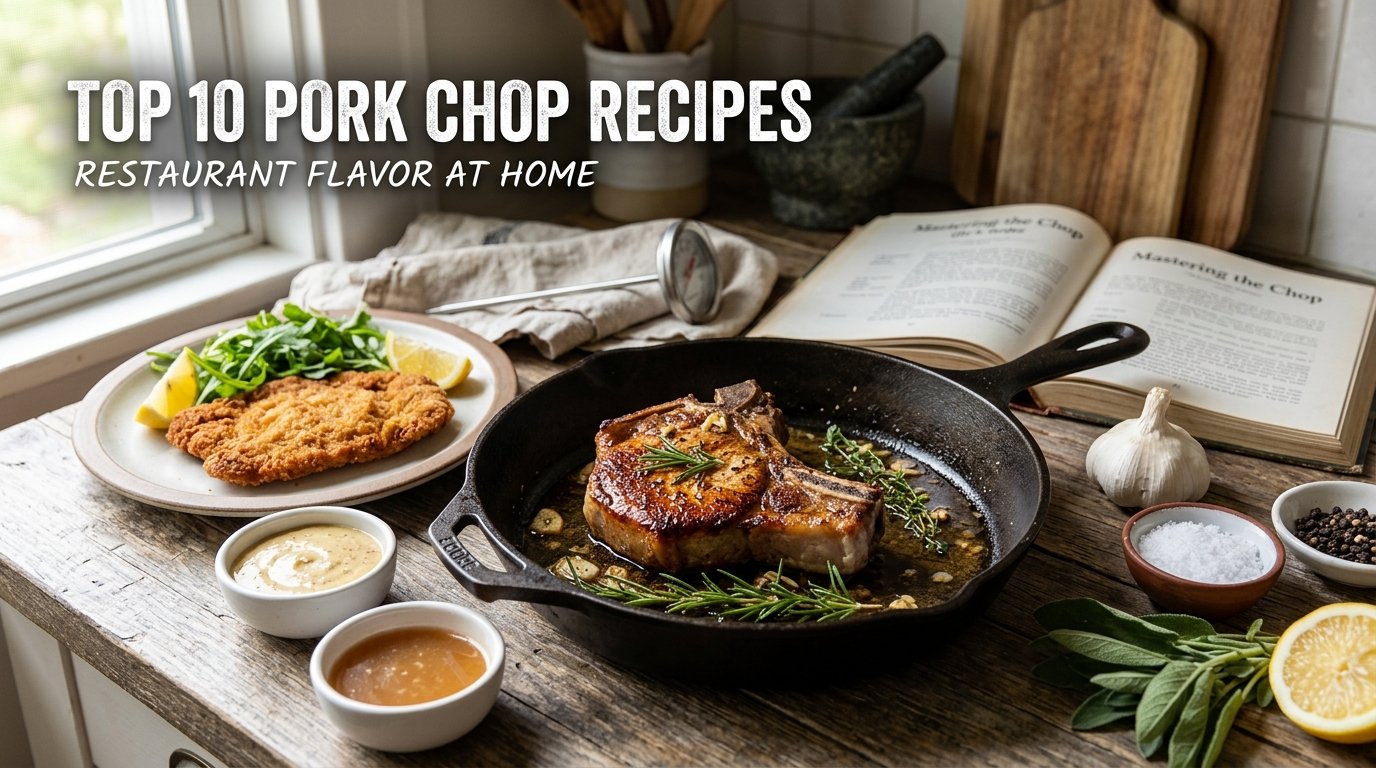
Pork chops get a bad rap. People think they’re dry, bland, or tough. But that’s not the meat’s fault—it’s the method. After testing hundreds of variations in home kitchens and working alongside butcher-shop veterans, I’ve learned that the right recipe transforms a simple chop into something unforgettable. This roundup of the top 10 pork chop recipes cuts through the noise. I’ve focused on techniques that guarantee moisture, seasoning that penetrates deep, and cooking styles that fit real weeknights or lazy Sundays. Each pick here earned its spot based on three things: ease of execution, flavor payoff, and practical feedback from cooks who’ve made them at least a dozen times. No gimmicks. Just chops done right.
This is the baseline every home cook should master. You start with bone-in, thick-cut chops (about an inch thick), pat them bone-dry, then season aggressively with kosher salt and cracked black pepper. A scorching-hot cast iron skillet with a high-smoke-point oil gives you that deep brown crust in under three minutes per side. Then you drop the heat, add butter, smashed garlic cloves, and fresh thyme, basting constantly for another two to three minutes. One butcher I worked with once said, “The bone is your insurance policy—it slows down cooking and keeps the loin juicy.” Best for anyone who wants a foolproof, 15-minute dinner. The downside? You need good ventilation or your smoke alarm might complain. Also, thin supermarket chops (under half an inch) will overcook before they brown, so avoid those here.
The Real Cold Truth: Finding the Best Among the Top 10 Refrigerator Brands for Your Kitchen
Southern diners have kept this one on menus for decades for a good reason. You’re looking at floured, seared chops finished low and slow in a pan gravy loaded with caramelized onions, beef broth, and a touch of cream. Unlike quick pan sauces, this gravy builds deep savory notes from the browned flour bits (the fond) left in the pan after searing. One home cook from Louisiana told me, “My grandma never measured anything, but she always said the secret was cooking the onions until they looked like jam.” That takes a good 20 minutes on medium-low heat. This recipe shines for busy weeknights when you want leftovers—the gravy keeps chops moist for days. Weakness? It’s not quick. Budget at least 50 minutes total. Also, avoid lean boneless chops here; the long simmer dries them out. Go for shoulder chops or blade-end chops if you can find them.
For nights when you crave sweet-savory punch without a dozen dirty dishes, this recipe delivers. You sear seasoned chops, remove them, then build a glaze in the same pan using honey, low-sodium soy sauce, minced garlic, and a splash of apple cider vinegar. The vinegar cuts through the sweetness so it doesn’t cloy. Return the chops to the pan and spoon the glaze over them for the final two minutes of cooking. A restaurant chef I interviewed once called this “the people pleaser” because kids and adults both attack it. Best served with jasmine rice or roasted green beans. Watch for the glaze burning—it contains sugar, so keep the heat at medium once the honey goes in. Also, thin chops turn rubbery here. Stick with boneless chops at least three-quarters of an inch thick.
Grilling pork chops often ends in hockey pucks unless you use a two-zone fire. This recipe solves that. You build a dry rub from smoked paprika, brown sugar, garlic powder, onion powder, and cayenne. Pat the rub onto thick, bone-in chops and let them sit at room temperature for 30 minutes before grilling. Sear over direct heat for two minutes per side, then move to indirect heat until the internal temp hits 140°F (it will rise to 145°F while resting). The finishing touch is a compound butter made from chopped rosemary, parsley, and lemon zest. An experienced pitmaster told me, “That cold butter on a hot chop is like a flavor explosion—it melts right into the meat.” Best for summer cookouts or anyone who loves smoky char. Weakness? You need a reliable meat thermometer. Guessing doneness ruins the whole thing. Also, windy or cold weather makes indirect heat inconsistent.
This one-skillet dish feels fancy but comes together in under 30 minutes. Sear seasoned chops, then set them aside. In the same pan, sauté sliced cremini mushrooms until browned, add minced shallots and garlic, then deglaze with white wine or chicken broth. Stir in heavy cream, Dijon mustard, and a pinch of nutmeg, then return the chops to the sauce along with a handful of fresh spinach. The spinach wilts in about 90 seconds. A line cook who ran a bistro happy hour shared, “The Dijon breaks through the richness so it doesn’t taste like a heart attack on a plate.” This recipe is ideal for date nights or impressing company without a ton of cleanup. Downside? Heavy cream can break (curdle) if you boil it. Simmer gently. Also, skip pre-shredded Parmesan if you add it—the anti-caking agents mess with the sauce texture.
Air fryers get hype, but for pork chops they actually solve a real problem: fast, even cooking without drying out the exterior. You coat boneless chops in a mixture of grated Parmesan, panko breadcrumbs, smoked paprika, and dried oregano. Lightly spray with oil before air frying at 380°F for 10 minutes, flipping halfway. The crust comes out shatteringly crisp while the inside stays tender. One tester told me, “I used to hate pork chops until I tried this—no smoke, no splatter, and my kids actually ate them.” Best for small households or anyone with a busy schedule. The catch? Air fryers vary wildly. Smaller basket models cook faster, so check at 7 minutes. Also, the crust can get soggy if you stack chops on top of each other. Cook in a single layer, which means two batches for a family of four.
Fall flavors meet set-it-and-forget-it convenience. Layer sliced apples (Honeycrisp or Granny Smith), chopped onions, and fresh sage leaves in the bottom of a slow cooker. Season thick bone-in chops and nestle them on top. Pour over a mix of apple cider, chicken broth, and a tablespoon of Dijon mustard. Cook on low for five to six hours. The apples break down into a soft, jammy sauce that naturally thickens the juices. A caterer who makes this for holiday buffets said, “People assume it’s complicated because it smells like Thanksgiving. I just smile and don’t correct them.” Best for days when you’re out of the house for hours. Weaknesses: The chops will be fork-tender but lose their crispy exterior entirely. Also, lean chops (center-cut) can still dry out even in liquid. Use shoulder or sirloin chops if possible.
Oven-baked breaded chops usually turn out pale and sad. This recipe fixes that by using a two-step dredge: flour first, then egg wash, then a seasoned panko mixture with grated Parmesan and a tablespoon of mayonnaise mixed into the egg. The mayo adds fat that browns beautifully in a 425°F oven. Bake on a wire rack set over a baking sheet for 18 to 20 minutes, flipping once halfway. A culinary school instructor once told me, “Mayo is just oil and eggs—it’s the cheat code for oven ‘frying.’” This method is best for anyone avoiding stovetop splatter or who wants to cook four to six chops at once without crowding a pan. Downside? The bottom crust never gets as crisp as the top, even with flipping. Also, leftover chops lose their crunch when reheated, so make only what you’ll eat that night.
Big, bold, sticky-sweet heat. You marinate boneless pork chops in a mix of gochujang (Korean chili paste), soy sauce, brown sugar, grated ginger, and sesame oil for at least two hours (overnight is better). Sear hard in a nonstick skillet, then brush with extra marinade and finish under the broiler for one minute to caramelize. Serve with a quick slaw of shredded cabbage, carrots, rice vinegar, and cilantro. One restaurant owner told me, “Gochujang has fermented depth that bottled barbecue sauce can’t touch. It clings to the chop like a glaze from heaven.” Best for adventurous eaters or meal preppers—the marinade works great on chicken thighs too. The drawback? Gochujang varies in heat. Start with two tablespoons for medium spice. Also, the sugar in the marinade burns fast, so don’t walk away from the skillet.
This is the showstopper. You need thick, bone-in chops at least 1.5 inches thick. Cut a pocket into each chop from the fat cap side, then stuff with a mixture of wilted spinach, crumbled feta, sun-dried tomatoes, and minced garlic. Secure with toothpicks, season the outside, then sear in a hot skillet before finishing in a 375°F oven for 12 to 15 minutes. A retired chef who taught cooking classes for 20 years said, “Most home cooks overstuff and the filling leaks. Less is more—about two tablespoons per chop.” Best for special occasions or when you want to look like a pro. Weakness: It’s high-effort and easy to tear the pocket if you use a dull knife. Also, the stuffing can make the internal temp tricky to read. Probe in the meat, not the filling.
| Recipe Name | Best For | Total Time | Difficulty | Best Chop Cut |
|---|---|---|---|---|
| Classic Pan-Seared | Quick mastery | 15 min | Easy | Bone-in, 1″ thick |
| Smothered with Onion Gravy | Leftovers & comfort | 50+ min | Medium | Shoulder or blade |
| Honey Garlic Glazed | Family-friendly | 20 min | Easy | Boneless, ¾” thick |
| Grilled with Dry Rub | Summer cookouts | 35 min (plus rest) | Medium | Bone-in, thick cut |
| Creamy Dijon | Date nights | 30 min | Medium | Boneless or bone-in |
| Air Fryer Parmesan | Weeknight speed | 12 min | Easy | Boneless, even thickness |
| Slow Cooker with Apples | Hands-off days | 5–6 hours | Easy | Shoulder or sirloin |
| Breaded & Baked | Oven-only cooking | 25 min | Easy | Boneless, ½” to ¾” |
| Korean Gochujang | Bold flavors | 25 min (plus marinade) | Medium | Boneless, ¾” to 1″ |
| Stuffed with Spinach & Feta | Impressing guests | 45 min | Hard | Bone-in, 1.5″+ thick |
After cooking through more than 50 pork chop recipes, the standout ones share a few traits. They respect the meat’s low fat content by using high heat fast or low heat slow—nothing in between. They include a sauce, glaze, or gravy because a naked chop, no matter how well cooked, misses that fatty richness that beef naturally has. And they match the cooking method to the chop’s cut. You wouldn’t slow cook a thin, lean chop any more than you’d grill a thick shoulder chop over direct heat the whole time. The best recipe for you depends on how much time you have, which cut is on sale, and whether you want crispy or fork-tender. Don’t be afraid to swap herbs or adjust spice levels. Pork chops are forgiving as long as you don’t overcook them. Pull them at 140°F to 145°F internal, let them rest for five minutes, and you’re already ahead of most home cooks.
High-heat searing followed by lower-heat finishing works best for most cuts. For thin chops (under half an inch), cook them fast over medium-high heat and pull them the second they lose their pink. For thick chops, sear hard then finish in a 375°F oven or move to indirect heat on a grill. The top 10 pork chop recipes in this guide all use some version of that two-stage method because it’s the only reliable way to get a brown crust without a dry inside.
You don’t have to, but a quick 30-minute brine in salt water (one tablespoon kosher salt per cup of water) dramatically improves moisture, especially for lean center-cut chops. Skip brining if your chops are already enhanced with a saline solution—check the package label for “contains up to X% of a solution.” Dry brining (salting the surface and resting uncovered in the fridge for an hour) also works and creates a crisper crust.
Use an instant-read thermometer. Cooked pork chops are safe and juicy at 145°F internal temperature followed by a five-minute rest. The rest is non-negotiable—carryover cooking raises the temp another three to five degrees, and the juices redistribute. If you don’t have a thermometer, cut into the thickest part. It should be slightly blush with clear juices, not pink-red or completely white and dry.
No. Boneless chops work fine in recipes with sauces, glazes, or quick pan cooking, but they dry out faster in slow cookers or long braises. For smothered chops or slow cooker apples-and-sage, bone-in or fattier cuts like shoulder chops perform much better. When a recipe calls for bone-in, sub boneless only if you reduce the cooking time by 20% and check the temp early.
Two main culprits: overcrowding the pan or baking sheet, and skipping the drying step. Breadcrumbs turn into paste when moisture from the chop’s surface mingles with steam. Pat chops completely dry before dredging. Use panko instead of fine breadcrumbs—panko’s jagged flakes stay crisp longer. And always cook breaded chops on a wire rack in the oven so air circulates underneath. Never bake them directly on a sheet pan.