
 11
11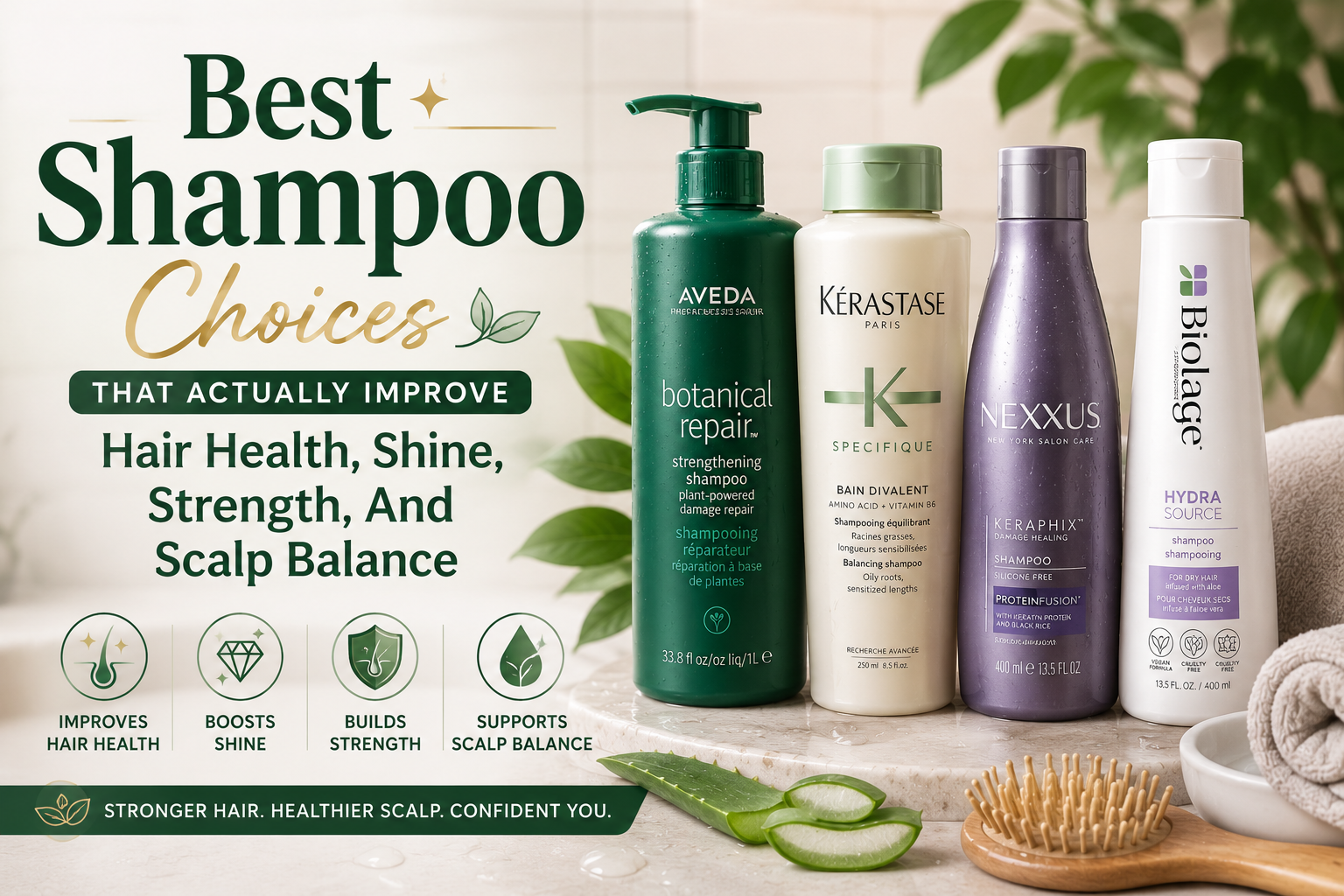
Hair care shelves have become crowded with shampoos promising thicker strands, less breakage, better hydration, scalp detoxification, and salon-level shine. Most products sound impressive until they leave hair dry, greasy, irritated, or weighed down after two weeks of use. Finding the best shampoo is no longer about fragrance or packaging alone. Ingredient quality, scalp compatibility, cleansing balance, protein content, surfactant strength, and long-term hair behavior matter far more than marketing claims.
Professional hairstylists often point out that many people blame their conditioner or styling products when their shampoo is actually the problem. Celebrity colorist Tracey Cunningham once remarked that “healthy hair starts with respecting the scalp barrier,” and that principle shaped the evaluation process behind these selections. Every shampoo in this roundup was chosen based on cleansing performance, ingredient balance, scalp friendliness, consistency across hair types, user satisfaction, and how well the formula performs over months instead of days.
This guide covers shampoos for dry hair, oily scalps, color-treated strands, curls, thinning hair, dandruff concerns, and sensitive skin. Rather than recycling generic claims, the focus here stays on practical performance, realistic expectations, and the situations where each formula works best.
| Shampoo | Best For | Key Strength | Possible Drawback | Sulfate-Free |
|---|---|---|---|---|
| Olaplex No. 4 Bond Maintenance Shampoo | Damaged hair | Bond repair support | Premium price | Yes |
| Nizoral Anti-Dandruff Shampoo | Flaky scalp | Ketoconazole treatment | Can feel drying | No |
| Pureology Hydrate Shampoo | Color-treated hair | Moisture retention | Strong fragrance for some users | Yes |
| Redken Acidic Bonding Concentrate Shampoo | Chemically processed hair | Protein and pH support | Heavy for fine hair | Yes |
| SheaMoisture Coconut & Hibiscus Curl Shampoo | Curly hair | Curl definition | Too rich for oily scalps | Yes |
| Kérastase Bain Densité Shampoo | Thinning hair | Lightweight volume support | Expensive for daily use | No |
| Neutrogena Anti-Residue Shampoo | Product buildup | Deep cleansing | Not ideal for daily washing | No |
| Briogeo Be Gentle Be Kind Shampoo | Sensitive scalp | Mild ingredients | Limited lather | Yes |
| Head & Shoulders Clinical Strength Shampoo | Persistent dandruff | Strong flake control | Medicinal scent | No |
| Moroccanoil Hydrating Shampoo | Dry and coarse hair | Softness and shine | May weigh down fine strands | Yes |
Among salon-grade formulas, Olaplex No. 4 consistently ranks among the best shampoo options for people dealing with bleach damage, heat styling fatigue, or chemically weakened strands. The formula focuses on bond-support technology rather than relying purely on heavy silicones to fake softness. That distinction matters because many “repair” shampoos coat the surface temporarily while internal brittleness keeps worsening underneath.
The cleansing balance is surprisingly controlled for a reparative formula. Hair feels clean without the stripped texture often associated with protein-heavy products. Frequent salon clients especially notice reduced snapping during brushing and less roughness around fragile ends. One longtime stylist in Los Angeles described it as “a recovery shampoo rather than a cosmetic cover-up,” which accurately reflects its strength. The downside is that extremely fine hair can occasionally feel flatter if the shampoo is paired with overly rich conditioners. The premium price also places it above standard drugstore options, though concentrated formulas mean bottles last longer than expected.
When dandruff shifts from occasional dryness to constant itching and visible flakes, cosmetic shampoos usually fail. Nizoral Anti-Dandruff Shampoo stands apart because it uses ketoconazole, an antifungal ingredient that targets one of the most common biological causes of dandruff rather than masking symptoms with fragrance and menthol.
This shampoo works exceptionally well for oily scalps with recurring buildup around the crown or hairline. Users often report visible reduction in flakes within two weeks when used consistently. Dermatologists frequently recommend it because scalp inflammation can quietly contribute to hair shedding over time. The formula is not especially moisturizing, though, and overuse may leave color-treated or curly hair feeling rough. Pairing it with a gentle hydrating conditioner usually solves that issue. For severe dandruff cycles, this remains one of the best shampoo formulas available outside prescription treatments.
Colored hair requires a different cleansing strategy than untreated hair. Harsh detergents accelerate fading, weaken porous strands, and leave salon color looking dull much earlier than expected. Pureology Hydrate Shampoo earns its reputation through consistent moisture retention without creating greasy residue.
The sulfate-free formula performs especially well on medium to thick hair textures that struggle with dryness after highlights or repeated dye sessions. Unlike many moisturizing shampoos, it maintains decent scalp freshness instead of leaving roots coated after one day. A salon educator from New York once explained that “hydration without collapse is the real luxury in shampoo formulation,” and this product demonstrates that balance effectively.
Some users find the mint-heavy fragrance overpowering, particularly those sensitive to strong scents. Very fine hair may also need lighter conditioners alongside it. Even with those limitations, it remains one of the best shampoo products for maintaining softness and shine between salon visits.
Frequent blow-drying, straightening, bleaching, and coloring gradually raise hair porosity and weaken strand elasticity. Redken Acidic Bonding Concentrate Shampoo targets that issue through a pH-focused formula designed to help smooth damaged cuticles while reinforcing weakened hair structure.
What separates this shampoo from trendy “bonding” competitors is its ability to improve manageability without creating a waxy coating. Hair often dries smoother and reflects more light after repeated use. It is especially effective for hair that tangles easily after chemical processing. Many users notice reduced breakage during detangling sessions within the first month.
The formula does contain richer conditioning elements, which means ultra-fine or naturally oily hair types may feel heavy if used daily. Rotating it with a lighter cleanser solves that problem for most people. For individuals who rely heavily on hot tools, this is among the best shampoo choices currently available in professional hair care.
Curly hair typically needs more lubrication during cleansing because natural scalp oils travel less efficiently along coiled strands. SheaMoisture Coconut & Hibiscus Curl Shampoo addresses that challenge with a rich, moisture-focused formula that helps curls retain shape and softness.
The standout quality is how well it reduces post-wash frizz. Many shampoos clean curly hair aggressively, leaving curls swollen and undefined before styling products even enter the routine. This formula avoids that harshness. Coconut oil, silk protein, and neem oil work together to support smoother texture and improved curl clumping. Users with thick curls or coils often describe their hair as easier to detangle immediately after rinsing.
The richness can become excessive for straight hair or oily scalps. People with fine waves may notice residue buildup if they use it too frequently. Still, for textured hair that constantly battles dryness, it easily earns a place among the best shampoo formulas designed specifically for curls.
Hair thinning shampoos often overpromise dramatic regrowth while delivering little more than cooling sensations and caffeine marketing. Kérastase Bain Densité Shampoo takes a more realistic approach by focusing on density appearance, strand resilience, and lightweight fullness.
The texture feels refined immediately during washing. Unlike volumizing shampoos that leave hair squeaky and tangled, this formula preserves softness while still improving body at the roots. Fine hair benefits most because the formula avoids excessive oils and butters that flatten delicate strands. Regular users often report that hair appears fuller during styling, particularly around the crown.
This shampoo is not a medical treatment for hair loss, and expectations should stay realistic. Severe shedding linked to hormonal or nutritional issues requires broader intervention. Even so, for cosmetic improvement in thin or limp hair, this remains one of the best shampoo options in the premium market.
Dry shampoo, hairspray, leave-in creams, silicones, and scalp oils gradually create buildup that regular shampoos fail to remove completely. Neutrogena Anti-Residue Shampoo solves that problem with a clarifying formula that strips away accumulated residue remarkably well.
The difference after use is immediately noticeable. Hair regains movement, volume, and softness that buildup had been masking. Stylists frequently recommend a clarifying wash before color appointments because heavy residue can interfere with even color application. This shampoo works particularly well for swimmers, people in humid climates, and anyone relying heavily on styling products.
Because it is intentionally strong, daily use would be excessive for most hair types. Overuse can dry out color-treated or curly hair quickly. Used once weekly or biweekly, though, it becomes an excellent maintenance tool and one of the best shampoo solutions for restoring balance to overloaded hair.
Scalp sensitivity has become increasingly common due to overexfoliation, fragrance overload, harsh detergents, and excessive product layering. Briogeo Be Gentle Be Kind Shampoo was designed for people who need mild cleansing without sacrificing hair quality.
The formula avoids many common irritants while still cleaning effectively enough for regular use. Aloe vera, oat milk, and green tea create a softer cleansing experience that works well for reactive scalps prone to redness or tightness. Unlike heavily medicated sensitive-scalp shampoos, this product maintains a more elegant texture and scent profile.
The biggest adjustment is the lighter foam. Users accustomed to rich lather may initially assume the shampoo is less effective, though sulfate-free formulas naturally behave differently. For people recovering from scalp irritation or simplifying their routines, this stands out as one of the best shampoo choices available today.
Standard dandruff shampoos sometimes fail when flakes become thick, recurring, and accompanied by irritation. Head & Shoulders Clinical Strength Shampoo steps into that gap with selenium sulfide, a stronger active ingredient designed for more persistent scalp issues.
The formula is especially effective for individuals whose dandruff worsens during stress, seasonal changes, or periods of heavy oil production. Users frequently report noticeable improvement after several washes, especially around itchy scalp patches near the temples and crown. Dermatology clinics often recommend alternating this type of treatment shampoo with gentler cleansers to maintain scalp comfort.
The medicinal scent and stronger cleansing action may not appeal to everyone. Hair that is already dry or heavily bleached can feel rough unless paired with conditioning support. Despite that limitation, it remains one of the best shampoo treatments for controlling visible flakes and scalp discomfort.
Dry hair needs more than temporary smoothness. Many moisturizing shampoos rely on heavy silicones that create shine for a few hours before hair returns to feeling brittle underneath. Moroccanoil Hydrating Shampoo performs better because it combines argan oil with a gentler cleansing base that supports softness over time.
This formula excels on thick, coarse, or naturally dry hair textures. Hair feels smoother during rinsing, which reduces friction-related breakage during detangling. Blowouts also tend to appear shinier and less frizzy after consistent use. Salon professionals often recommend it for clients with mature hair that has lost softness due to aging or repeated heat styling.
Very fine hair may lose volume if this shampoo is used daily. The signature fragrance, while widely loved, can also feel strong for scent-sensitive users. Even with those considerations, it deserves recognition among the best shampoo formulas for restoring softness and manageability.
Ingredient lists reveal far more than marketing slogans. Sulfates, silicones, proteins, oils, acids, and preservatives all affect hair behavior differently depending on scalp condition and strand texture. Strong sulfates may help oily scalps feel cleaner longer but can worsen dryness and fading in color-treated hair. Protein-heavy formulas strengthen damaged strands temporarily yet may create stiffness when overused.
Scalp balance often matters more than hair type alone. A person with oily roots and dry ends needs a different shampoo approach than someone with uniform dryness from root to tip. Trichologist Philip Kingsley famously compared scalp care to skincare, arguing that “healthy hair growth starts with treating the scalp as living tissue rather than fabric.” That mindset explains why modern shampoos increasingly focus on pH balance, microbiome support, and irritation reduction.
Luxury shampoos frequently use refined textures, elegant fragrances, and concentrated formulas, but higher price tags do not automatically guarantee better results. Some affordable shampoos outperform prestige products because they focus on practical formulation rather than branding.
Clarifying shampoos are a good example. Drugstore products like Neutrogena Anti-Residue Shampoo often deliver stronger cleansing performance than luxury alternatives costing four times more. Meanwhile, premium shampoos sometimes justify their cost through superior conditioning technology or bond-repair ingredients. The best shampoo for one person may easily fail another depending on water quality, scalp oil production, climate, and styling habits.
Fine hair usually benefits from lightweight formulas that cleanse thoroughly without heavy oils. Thick hair often tolerates richer moisturizing ingredients better. Curly hair generally performs best with sulfate-free cleansers that minimize frizz and dryness. Color-treated hair needs gentler surfactants to preserve tone and shine.
Scalp condition should influence decisions just as much as strand texture. Persistent itching, oiliness, redness, or flaking signals that scalp-focused formulas deserve attention. Switching shampoos too often can also create instability, making it harder to identify which ingredients are helping or hurting hair performance.
The best shampoo is rarely the trendiest bottle on social media or the most expensive formula in a salon. Effective shampoos support scalp health, clean thoroughly without overstripping, and improve hair behavior consistently over time. Some excel at hydration, others at scalp treatment, volume support, or residue removal. Matching the formula to actual hair needs matters far more than hype.
Olaplex No. 4 remains exceptional for damaged hair, Pureology Hydrate excels for color maintenance, and Nizoral stands out for dandruff management. Moroccanoil offers impressive softness for coarse textures, while Briogeo succeeds with sensitive scalps. Each product solves a different problem, which is why no single formula dominates every category.
Long-term hair improvement comes from routine consistency, balanced cleansing habits, and realistic expectations. Shampoo alone cannot transform severely damaged hair overnight, but the right formula dramatically improves manageability, scalp comfort, shine, and breakage resistance over time.
The ideal washing frequency depends on scalp oil production, lifestyle, climate, and hair texture. Oily scalps may require cleansing every day or every other day, while dry or curly hair often performs better with fewer washes. The best shampoo should leave the scalp feeling clean without creating tightness or excessive dryness after rinsing.
Sulfate-free shampoos can clean very effectively when formulated well. They usually create less foam than traditional shampoos, which sometimes causes people to assume they are weaker. In reality, many sulfate-free formulas preserve color better and reduce scalp irritation while still removing dirt and oil successfully.
A poor shampoo rarely causes permanent hair loss directly, but irritating formulas can contribute to scalp inflammation, breakage, and excessive shedding. Harsh cleansers may weaken already fragile hair over time. Choosing the best shampoo for scalp condition and hair texture reduces unnecessary stress on strands.
For persistent dandruff, shampoos containing ketoconazole, selenium sulfide, or zinc pyrithione generally perform best. Nizoral and Head & Shoulders Clinical Strength both stand out because they target the biological causes of flakes rather than simply masking symptoms.
Constantly switching shampoos is not necessary unless hair needs change due to weather, coloring, scalp condition, or styling habits. Some people rotate between a hydrating shampoo and a clarifying formula to maintain balance. The best shampoo routine often includes consistency rather than endless experimentation.
Salon shampoos often use more concentrated formulas and advanced conditioning systems, but some drugstore shampoos perform equally well for specific concerns. Effectiveness depends more on formulation quality and compatibility with hair needs than branding alone.
Hair may feel greasy after washing if the shampoo is too heavy, not rinsed properly, or incompatible with scalp oil production. Overconditioning, silicone buildup, and insufficient cleansing can also create residue that mimics oiliness. Clarifying shampoos occasionally help reset that imbalance.