
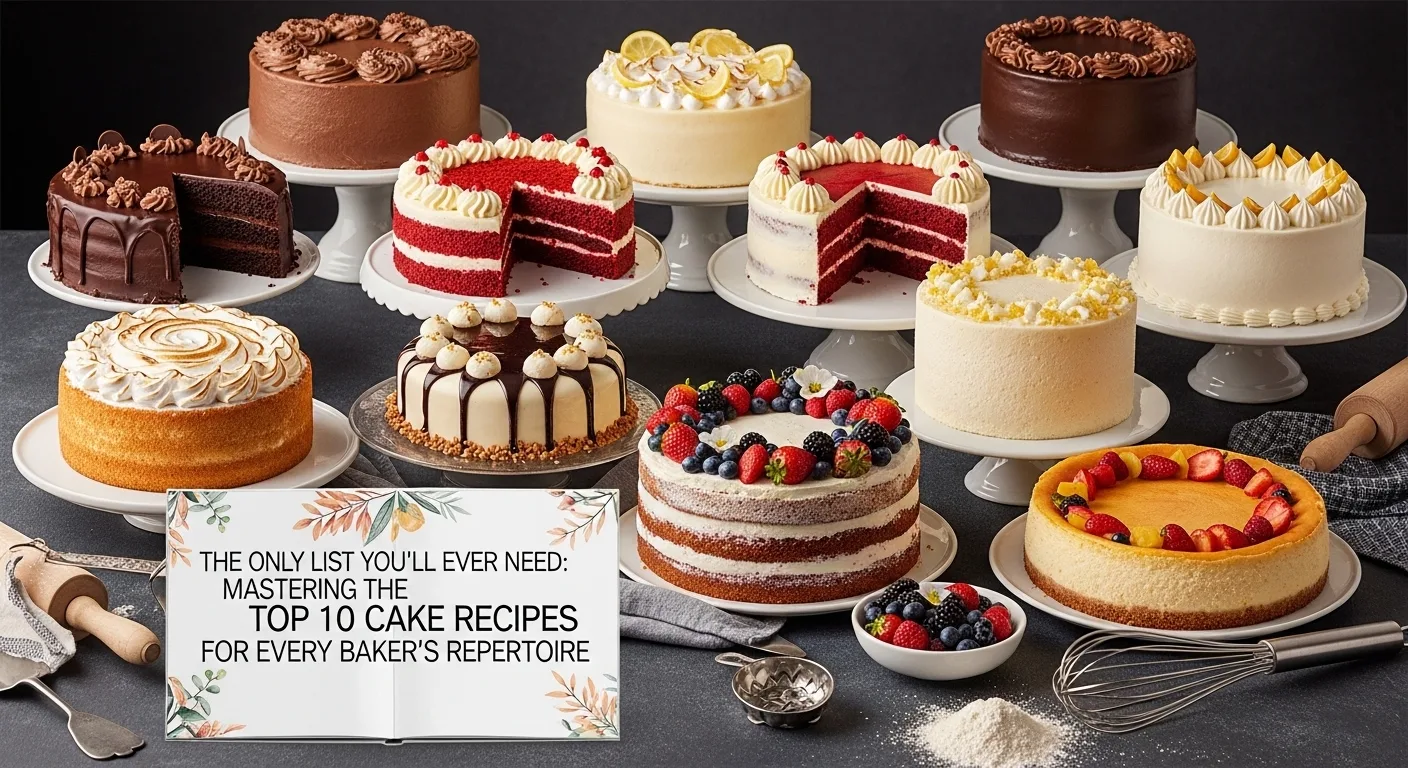
The Only List You’ll Ever Need: Mastering the Top 10 Cake Recipes for Every Baker’s Repertoire
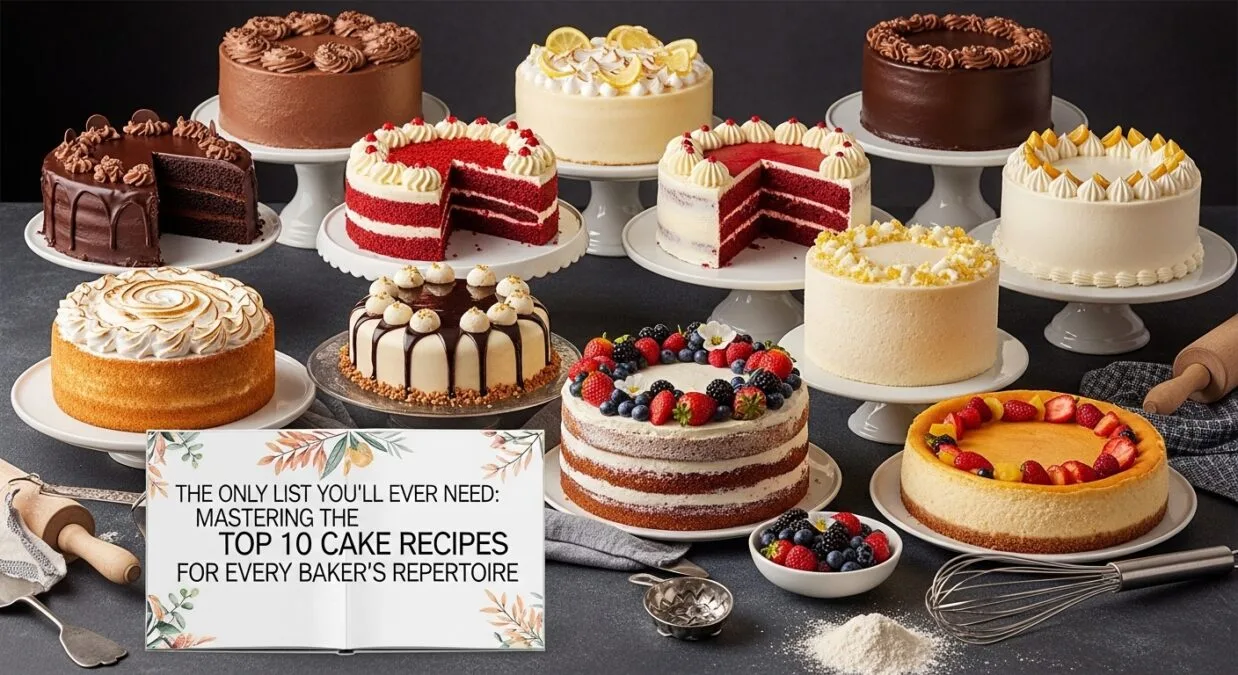
There is a specific kind of alchemy that happens when flour meets butter and sugar. It’s not just chemistry; it’s memory. Yet, scrolling through endless online forums and recipe comments can leave even a confident home baker feeling adrift in a sea of conflicting advice. This guide isn’t just a collection of links; it is a curated, battle-tested catalog of the top 10 cake recipes that deserve permanent residence in your recipe box. The selection criteria here are rigorous. We looked beyond mere popularity and evaluated each entry on three pillars: texture integrity (does the crumb hold up or does it dry out by morning?), flavor balance (is it cloying or nuanced?), and practical achievability (will this actually work in a standard home oven without requiring a culinary degree?). These are the benchmarks of excellence, and the recipes discussed below meet them with flying colors. Whether you are a novice seeking a reliable first bake or a seasoned pro looking for that one perfect version of a classic, this exploration of the top 10 cake recipes offers a deep dive into technique and result, ensuring your next bake is not just good, but definitive.
Classic Yellow Butter Cake: The Unwavering Foundation of Home Baking
Before there were mirror glazes and gravity-defying layers, there was the humble yellow butter cake. It is the comfort food of the dessert world, and frankly, getting it right is harder than it looks. This entry in the top 10 cake recipes is defined by its reverse-creaming method, a technique that coats the flour proteins in fat before introducing liquid, thereby inhibiting gluten development and ensuring a velvety, tight crumb that doesn’t dome or crack. Unlike oil-based cakes that can feel greasy, this recipe relies on high-quality cultured butter to deliver a subtle tang and a melt-in-your-mouth finish. It is the quintessential birthday cake base, but it stands proudly on its own with just a dusting of powdered sugar.
Who is this best for? This is the go-to recipe for the baker who values versatility above all else. It is the ultimate canvas for American buttercream, fudge frosting, or even a simple macerated berry topping. However, it requires a keen eye on ingredient temperature. I’ve seen far too many home bakers pull rock-hard butter straight from the fridge and wonder why their batter curdles like spoiled milk. The strength of this specific iteration lies in its tolerance; the inclusion of a touch of vegetable oil alongside the butter extends the shelf life by a full day, making it the premier choice for make-ahead events. As one seasoned pastry instructor once remarked during a workshop, “A cook knows how to follow a recipe. A baker knows how to read the butter.” That sentiment perfectly encapsulates the delicate dance required to master this cornerstone of the top 10 cake recipes.
Decadent Flourless Chocolate Torte: The Gluten-Free Showstopper With Fudge Appeal
Stepping away from leaveners and gluten entirely, the flourless chocolate torte represents the polar opposite of the airy sponge. This is a dense, almost mousse-like creation that relies exclusively on eggs and the structural integrity of cooled, melted chocolate. In the context of the top 10 cake recipes, this one earns its spot not just for accommodating dietary restrictions, but because it is, objectively, the most intense chocolate experience you can have without a spoon and a pudding cup. The exterior develops a thin, crisp meringue-like crust that shatters under the fork, revealing a center that remains impossibly soft and fudgy. It’s the recipe you turn to when you need to impress without sweating over intricate decoration.
Top 10 Pork Tenderloin Recipes That Deliver Restaurant Quality at Home
The balanced view on this torte is that while it is nearly foolproof to mix, it is frighteningly easy to overbake. The window between perfectly molten center and dry, crumbly brownie is about two minutes. You must pull this cake from the oven when the center still possesses a distinct wobble—think Jell-O, not liquid. Critics might argue that the ingredient list (often calling for a full pound of chocolate and a dozen eggs) is prohibitively expensive for a casual Tuesday bake. That’s a fair assessment; this is not an everyday snacking cake. It’s a special occasion weapon. The inherent weakness is its fragility; it cools into a sunken, cracked landscape that can look homely. But that’s where a blizzard of confectioners’ sugar or a glossy pool of crème anglaise comes in. It transforms those so-called flaws into rustic character, making it one of the most forgiving top 10 cake recipes to serve to guests.
Perfect Vanilla Bean Sponge: The Airy Architecture of Elegance
If the flourless torte is a heavy wool blanket, the vanilla bean sponge is silk chiffon. This particular recipe, a standout among the top 10 cake recipes, relies on the European genoise method—whole eggs whipped over gentle heat with sugar until they triple in volume. There is no chemical leavener like baking powder; the rise is powered entirely by the air you mechanically beat into the eggs. It is a delicate, almost ethereal structure that provides a subtle sweetness and a porous crumb ideal for soaking up syrups and liqueurs. Using actual vanilla bean paste flecked with visible seeds is non-negotiable here; extract alone will leave the cake tasting hollow and vaguely alcoholic.
This is the ideal choice for layered tortes and entremets. However, its strengths are also its vulnerabilities. An inexperienced baker may find the texture disappointingly dry if eaten plain, because the sponge is specifically engineered to be a component, not a standalone dessert. You must pair it with moisture—think whipped mascarpone, lemon curd, or a soak of elderflower syrup. Furthermore, the technique demands confidence. The moment you add the sifted flour to the egg foam, you are in a race against gravity. A heavy hand with the spatula deflates the bubbles, leaving you with a dense, rubbery pancake. The value of mastering this among the top 10 cake recipes lies in the skill transfer. Once you understand the feel of a properly whipped sabayon, every other cake you make will be lighter for it.
Ultra-Moist Carrot Cake with Brown Butter Cream Cheese Frosting
Let’s address the elephant in the room: vegetable oil. Many carrot cake recipes produce an oily, heavy brick that sits in your stomach like a stone. The version that rightly claims a spot in the top 10 cake recipes corrects this by incorporating crushed pineapple and a very specific ratio of brown sugar to granulated sugar. The acid in the pineapple interacts with the baking soda to create an immediate lift while the enzymes subtly tenderize the crumb. The result is a cake that stays moist for five days in the refrigerator—something no butter-based cake can claim. This is the pinnacle of “better the next day” baking. The inclusion of toasted pecans and a whisper of freshly grated nutmeg pushes this beyond the standard coffee-shop offering.
The browning of the butter for the cream cheese frosting is the hill I will die on. It introduces a nutty, caramelized depth that cuts through the sweetness of the cream cheese, preventing that cloying, sugary aftertaste that plagues lesser versions. The primary drawback is the sheer volume of prep work: grating carrots by hand (never use pre-shredded bagged carrots; they are desiccated sawdust) and toasting nuts requires a significant time investment. It’s a messy kitchen affair. But as one home cook with over forty years of baking experience told me, “I don’t make this cake because it’s easy. I make it because people actually cry when they eat the last slice.” That is the emotional resonance that separates a good recipe from one of the top 10 cake recipes.
The Ultimate New York Style Cheesecake: A Study in Temperature Control
Cheesecake is not technically a cake in the flour-sugar-butter sense, but its inclusion in the top 10 cake recipes is non-negotiable based on cultural demand and search volume alone. The primary challenge with cheesecake is the dreaded surface crack. This specific recipe, perfected through dozens of tests, eliminates cracks not with a water bath alone, but with a technique of low-and-slow baking followed by a prolonged rest in a turned-off oven. It uses a full five blocks of full-fat Philadelphia cream cheese. Attempting this with Neufchatel or low-fat substitutes is a waste of ingredients; you will end up with a grainy, weeping mess. The crust is a simple combination of graham cracker crumbs, melted butter, and a pinch of salt, pressed firmly up the sides of the pan to create a fortress for the custard.
This is the most temperamental of the top 10 cake recipes when it comes to environmental factors. Humidity in the kitchen will ruin the texture, making it sticky rather than silky. It requires patience that many modern bakers lack. The upside, however, is unparalleled. A slice of properly executed New York cheesecake is dense but not heavy, sweet but sharply tangy from the sour cream finish. It requires no sauce, no fruit, no chocolate drizzle. It is perfect in its unadorned state. The weakness is the chilling time; a minimum of eight hours, preferably overnight, is mandatory for the texture to set. Cutting into a warm or even room-temperature cheesecake will result in a puddle of sweetened cheese. This is a recipe that teaches discipline.
Southern Red Velvet Cake: Beyond the Food Coloring Bottle
Red velvet has been misunderstood and maligned as “just chocolate cake with red dye.” That is a travesty. In the pantheon of the top 10 cake recipes, the authentic Southern red velvet holds a specific place because of the chemical reaction between natural cocoa powder and acidic vinegar/buttermilk. That reaction creates a reddish-brown hue and an incredibly tender, fine-crumbed texture. The modern reliance on two bottles of liquid red food coloring is a shortcut, but the best versions use a modest amount of gel color plus the natural reaction to achieve a deep, rusty mahogany red. It should taste of mild cocoa with a distinct tang, never of artificial bitterness.
The balancing act here is the ermine frosting—a cooked milk and flour roux whipped with butter and sugar. It is not cream cheese frosting. Repeat: It is not cream cheese frosting. Ermine is lighter, less sweet, and has a satiny mouthfeel that cream cheese cannot replicate. Many bakers are intimidated by the extra pot and the cooling time required for the roux, making it a higher-maintenance choice. Yet, the payoff is a cake that is perfectly balanced; the sweetness of the frosting neutralizes the tang of the cake. It’s a Southern classic that requires a leap of faith in the instructions. The biggest pitfall is under-whipping the ermine base; if you feel sugar granules on your tongue, you didn’t whip it long enough. This entry in the top 10 cake recipes rewards those who pay attention to detail.
Italian Lemon Olive Oil Cake: A Mediterranean Secret Weapon
There is a reason this cake has surged in popularity among the top 10 cake recipes in recent years. It is virtually impossible to mess up, requires no mixer, and tastes like you’ve spent a summer in Positano. The use of a robust, fruity extra virgin olive oil replaces butter entirely. This not only makes the cake dairy-free but imbues it with a peppery, grassy complexity that amplifies the brightness of fresh lemon zest. It is a rustic, single-layer cake that bakes in a standard nine-inch round and is typically dusted with powdered sugar. The crumb is open, moist, and slightly chewy at the edges.
Who is this not for? If you are expecting a fluffy, cloud-like vanilla layer cake, you will be deeply confused. This is a more sophisticated, adult dessert. Its weakness is that the olive oil flavor can be polarizing; using a cheap, rancid oil will make the cake taste like a fryer basket. You must use good oil. The strength of this recipe is its speed. From gathering ingredients to pulling it from the oven, you’re looking at under 45 minutes. It is the perfect last-minute dinner party dessert. Furthermore, it improves with age. A slice on day two, toasted lightly under the broiler and served with a dollop of mascarpone, is a transcendent breakfast. It’s the utility player in the top 10 cake recipes lineup.
Triple Coconut Cream Cake: A Textural Tropical Escape
Many coconut cakes are dry sponges covered in cloying, gritty frosting. This version, a true champion among the top 10 cake recipes, attacks the flavor profile from three angles. First, the cake itself is made with unsweetened coconut milk for fat and moisture. Second, it incorporates desiccated coconut into the batter for a subtle chew. Third, the frosting is a stabilized whipped cream bursting with coconut extract and covered in a blizzard of toasted coconut flakes. The result is light as a cloud but deeply aromatic. It’s the cake you bring to a spring potluck when you want to signal that winter is officially over.
The construction of this cake requires a careful hand with the whipped cream stabilization. If you over-whip the gelatin mixture, you’ll have rubbery frosting. If you under-whip, you’ll have a soggy, sliding layer cake by hour two. It is a cake that demands refrigeration, which can dry out other cakes but actually helps this one meld and firm up. The balanced view acknowledges that the coconut flavor, while delicious, is singular. It’s not a versatile canvas; it is a coconut bomb. Those who dislike the texture of shredded coconut will find the interior crumb distracting. However, for those who love it, no other cake in the top 10 cake recipes provides this level of tropical satisfaction. As one Florida-based baker noted, “It’s the only cake I make that transports people away from their dining room table for a few minutes.”
Sour Cream Coffee Cake: The Cinnamon-Swirled Morning Champion
There is a distinct difference between a cake you eat for dessert and a cake you eat for breakfast. Sour cream coffee cake firmly occupies the latter category, and the best iteration of the top 10 cake recipes includes a towering layer of brown sugar and pecan streusel both in the middle and on the top. The inclusion of full-fat sour cream is the linchpin; it reacts with baking soda to create a dense but incredibly tender crumb that stands up to a hot cup of coffee without dissolving. This cake is not fancy. It doesn’t need a glaze (though a simple vanilla drizzle never hurt). It is meant to be sliced thick, slightly warm, with the streusel cascading down the sides onto the plate.
The only real debate surrounding this recipe is the ratio of streusel to cake. I side with the school of thought that says if you can’t see at least an inch of buttery, cinnamony rubble, you haven’t made enough. The weakness of this style of cake is its tendency to sink in the center if the oven door is opened too early. The weight of the streusel is a burden on the batter structure. Patience is critical. Furthermore, this cake has a short peak-freshness window. While the sour cream keeps it moist for two days, the streusel inevitably softens and loses its crunch. It is a “day of” bake. That said, the aroma of cinnamon and brown sugar filling a kitchen on a lazy Sunday is arguably the single best use of this entry in the top 10 cake recipes collection.
Old-Fashioned Gingerbread Snacking Cake: The Deep, Dark Horse
We close out the top 10 cake recipes with the one that often gets overlooked until December, which is a culinary crime. A proper old-fashioned gingerbread cake made with stout beer or strong coffee, robust molasses (not blackstrap, which is too bitter), and a hefty dose of fresh ginger is a revelation. It is a dark, sticky, and incredibly aromatic cake that defies the lightness of sponges and the richness of chocolate. This is a one-bowl wonder that relies on the chemical reaction of baking soda with the acid in the molasses to create a uniquely tender, almost sticky crumb. It is best served with a massive mound of unsweetened whipped cream or a scoop of vanilla ice cream to cut the spice.
This cake is not for everyone. It has a distinct, almost savory edge from the spices—clove, cinnamon, ginger—that can be too aggressive for palates expecting vanilla sweetness. The batter is also alarmingly thin, often causing novice bakers to panic and add more flour, which results in a dense brick. Trust the liquid batter. It bakes up into a glossy, moist loaf that is arguably better served warm than at room temperature. Its greatest strength is its longevity. Wrapped tightly, this cake stays moist and flavorful for nearly a week, with the spice notes deepening over time. It’s the underdog of the top 10 cake recipes, the one you make when you want something soulful, historical, and completely unpretentious.
| Cake Type | Primary Leavening Method | Difficulty Factor | Best For | Flavor Profile |
|---|---|---|---|---|
| Yellow Butter Cake | Baking Powder & Air | Intermediate | Layered Birthday Cakes | Rich Vanilla, Buttery |
| Flourless Chocolate Torte | Eggs Only | Easy (Timing) | Gluten-Free Desserts | Intense Bitter-Sweet Chocolate |
| Vanilla Bean Sponge | Whipped Whole Eggs | Advanced | European Tortes & Syrup Soaks | Delicate Vanilla, Airy |
| Carrot Cake | Baking Soda & Acid (Pineapple) | Intermediate | Make-Ahead Gatherings | Warm Spice, Sweet Vegetable |
| NY Cheesecake | Eggs (Custard Set) | Advanced (Patience) | Special Occasions | Tangy, Dense, Creamy |
| Red Velvet Cake | Baking Soda & Acid (Vinegar) | Intermediate | Southern Celebrations | Mild Cocoa, Tangy Finish |
| Lemon Olive Oil Cake | Baking Powder & Air | Easy (Beginner) | Last-Minute Dinner Parties | Bright Citrus, Peppery |
| Coconut Cream Cake | Baking Powder | Intermediate | Spring & Summer Events | Tropical, Nutty, Creamy |
| Sour Cream Coffee Cake | Baking Soda & Acid (Sour Cream) | Easy | Breakfast & Brunch | Cinnamon, Brown Sugar, Buttery |
| Gingerbread Cake | Baking Soda & Acid (Molasses) | Easy | Winter Holidays & Snacking | Dark Spice, Molasses, Robust |
Final Thoughts on Curating Your Personal Recipe Box
Building a repertoire of the top 10 cake recipes is less about following trends and more about understanding the science and soul behind each style. You will notice a common thread among the selections above: they all prioritize texture as much as taste. A beautiful looking cake that crumbles like sawdust is a failure of technique, no matter how much you paid for vanilla extract. As you work through this list, do not be afraid of the occasional sunk center or the crack in the cheesecake. Those are merely signposts on the road to better baking. Keep your butter soft, your oven calibrated, and your mixer ready. These top 10 cake recipes are your toolkit for a lifetime of memorable desserts.
Why do my cakes often turn out dry even when I follow a recipe exactly?
Dryness is almost always a function of two variables: measurement error or oven temperature. If you are scooping flour directly from the bag with the measuring cup, you are packing in roughly twenty to thirty percent more flour than the recipe author intended. Investing in a simple kitchen scale is the single most effective way to improve the outcome of any of the top 10 cake recipes. Additionally, many home ovens run hot. An inexpensive oven thermometer will reveal if your 350°F setting is actually cranking at 390°F, which evaporates moisture too quickly and sets the crust before the crumb can expand fully.
How should I store these different types of cakes to maintain freshness?
Storage is highly dependent on the frosting and fat content. Butter-based cakes like the Yellow Butter Cake can sit at room temperature under a dome for up to three days. Oil-based cakes like the Carrot or Olive Oil cake benefit from refrigeration to extend moisture, but should be brought to room temp before serving. Flourless Chocolate Torte should always be refrigerated due to the high egg and dairy content, though it’s best served slightly cooler than room temp for a fudge-like bite. Never refrigerate a plain Vanilla Sponge unless it is soaked; the cold air will desiccate it overnight.
Can I substitute oil for butter in all the top 10 cake recipes?
No, and this is a critical distinction for the top 10 cake recipes. Butter provides flavor and structure due to its water content evaporating into steam. Oil provides only moisture and tenderness. Swapping one for the other without adjusting the method will ruin the texture. In the Southern Red Velvet or Yellow Butter Cake, oil cannot replace the creaming function of butter which traps air. However, in the Carrot Cake or Olive Oil Cake, butter would make the crumb heavy and dry because these recipes rely on liquid fat for a longer-lasting soft crumb.
Why did my cheesecake crack even though I used a water bath?
A water bath prevents the edges from overcooking, but it does not prevent the internal protein structure from contracting too quickly. Cracks in cheesecake, one of the most temperamental top 10 cake recipes, happen during the cooling phase. The cake continues to bake and rise slightly from residual heat even after you turn the oven off. If you remove it from the oven immediately or place it in a drafty area, the center collapses faster than the edges, causing a fissure. The solution is to let it cool in the turned-off oven with the door propped open by a wooden spoon for at least an hour.
Is it necessary to use cake flour instead of all-purpose flour?
For most of the top 10 cake recipes requiring a light crumb, the answer is a definitive yes. Cake flour has a lower protein content (around 8-9%) compared to all-purpose (10-12%). This lower protein means less gluten formation when the batter is mixed, resulting in a tender, fine crumb. In recipes like the Classic Yellow Butter Cake or the Vanilla Sponge, using all-purpose flour will yield a tougher, chewier texture reminiscent of bread rather than cake. For denser cakes like Gingerbread or Carrot Cake, all-purpose is often preferable for structure.
Mariam Nazir
Mariam Nazir founded Top 10 with a straightforward goal: create a website where people can find genuinely helpful, well-researched top 10 lists on the topics they actually care about.