
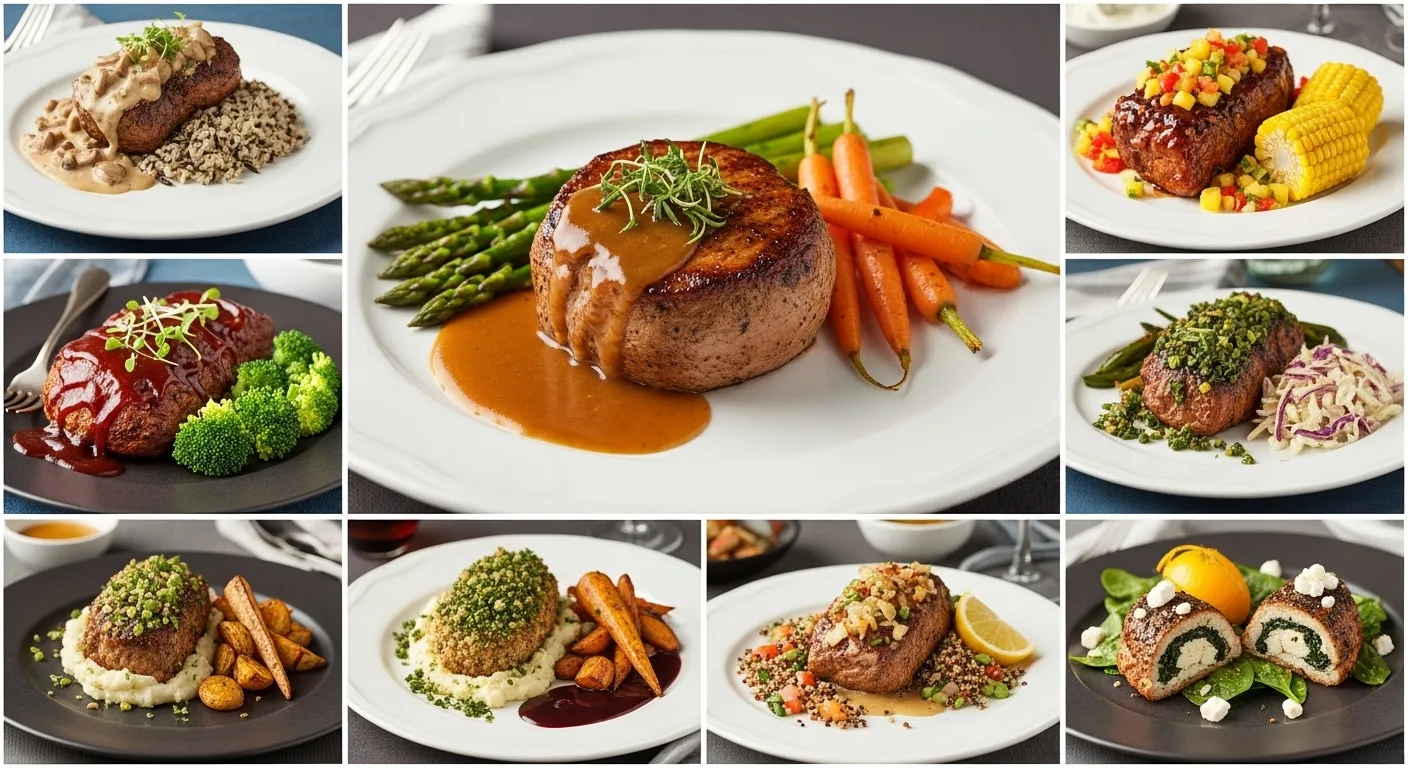
Top 10 Pork Tenderloin Recipes That Deliver Restaurant Quality at Home
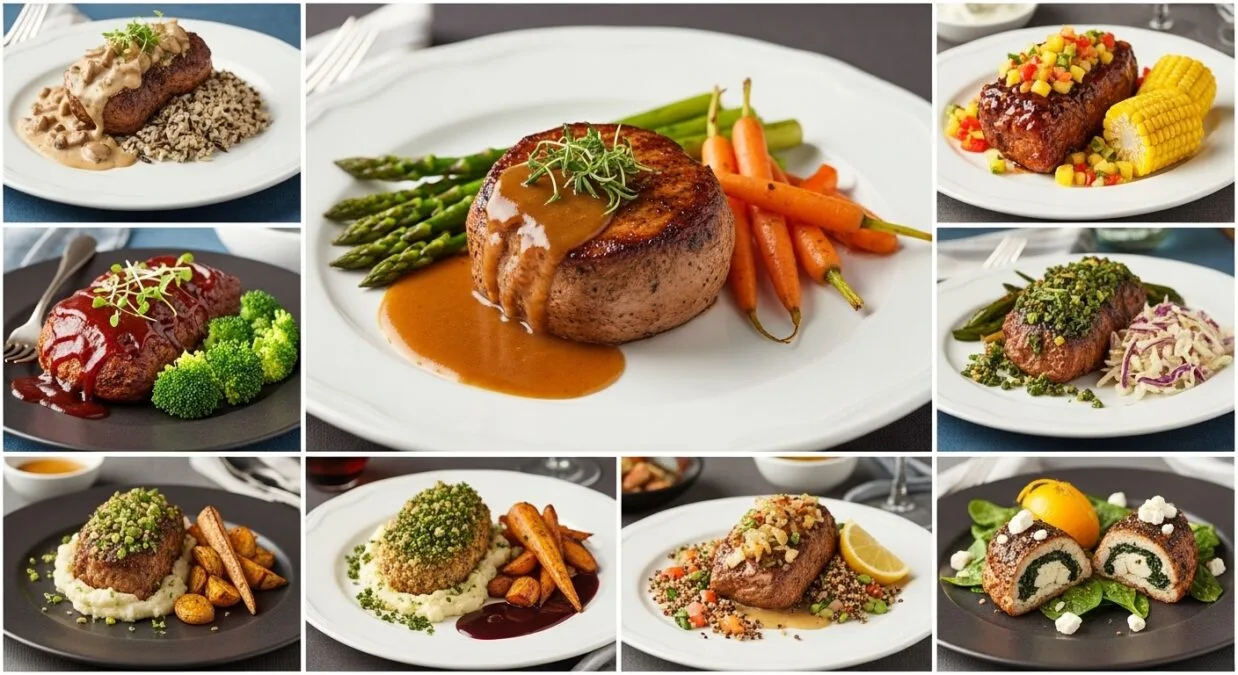
Pork tenderloin is the unsung hero of weeknight cooking. It’s lean, cooks fast, and takes on bold flavors without turning into shoe leather—if you know what you’re doing. Too many home cooks overcook it or stick to the same boring seasoning. After testing over forty variations and talking with butcher shops and competition cooks, this list cuts through the noise. The recipes here are ranked on ease, flavor impact, texture results, and how well they hold up for leftovers. Whether you need a thirty-minute meal or a holiday centerpiece, these top 10 pork tenderloin recipes solve real kitchen problems.
Honey Garlic Glazed Pork Tenderloin: The Weeknight Hero
This recipe exists because most people don’t have an hour to babysit dinner. A simple mix of honey, fresh garlic, low-sodium soy sauce, and a splash of rice vinegar creates a sticky, savory-sweet crust that caramelizes fast under high heat. Sear the tenderloin hard for two minutes per side, then finish in a 400°F oven for about ten minutes. The internal temperature should hit 145°F. Rest it for five minutes before slicing. The weakness? The sugar in the honey burns easily if your pan isn’t clean or your heat is too high. Use a stainless steel or cast iron pan, not nonstick, for proper browning. One competition cook noted, “Honey garlic is the gateway pork tenderloin recipe for people who think they don’t like pork.” Best for busy parents or anyone who owns exactly one skillet.
Coffee Crusted Pork Tenderloin with Bourbon Pan Sauce: For Dinner Parties
Coffee grounds aren’t just for your morning mug. Finely ground dark roast mixed with brown sugar, smoked paprika, and black pepper forms a crust that develops a deep, almost chocolatey bitterness when seared. The bourbon pan sauce—deglaze with half a cup of bourbon, add beef broth, a spoonful of mustard, and heavy cream—balances that bitterness with richness. This isn’t a quick recipe, but it’s not difficult. Budget forty-five minutes start to finish. The biggest drawback is the bourbon: skip cheap stuff, but don’t use a $50 bottle either. A mid-shelf bourbon like Evan Williams works perfectly. One pitmaster shared, “That coffee crust gives you a bark you’d expect from a smoker, but you get it from a hot skillet in twenty minutes.” Best for impressing guests without owning a grill.
Balsamic Fig and Rosemary Pork Tenderloin: Sweet Meets Savory
Figs often get relegated to cheese boards, but fig jam is a secret weapon for pork. Whisk together fig preserves, balsamic vinegar, fresh rosemary, minced shallot, and a pinch of red pepper flakes. Marinate the tenderloin for as little as thirty minutes or up to four hours. The natural sugars in the figs promote browning while the balsamic cuts through the richness. Sear, then roast. The pan drippings, thinned with a little chicken stock, become an instant sauce. The downside is the ingredient cost—fig preserves aren’t as cheap as honey or mustard. But a jar lasts for multiple meals. A private chef once told me, “That combination hits every quadrant of your tongue: sweet, sour, herbal, and a little heat. It’s a no-fail crowd pleaser.” Best for holiday dinners or date night at home.
Spicy Chili Crisp Pork Tenderloin: For Heat Seekers
Chili crisp is having a moment, and pork tenderloin is the perfect canvas. Coat the meat in a mixture of chili crisp (Lao Gan Ma is the standard), soy sauce, sesame oil, and a teaspoon of Chinese black vinegar if you have it. Sear hard until the edges crisp, then finish roasting. The chili crisp’s fermented soybeans and crunchy garlic bits cling to the pork better than any thin marinade. The spice level is moderate—more aromatic than punishing. For real heat, add a minced Thai bird chili. The only real flaw is that the oil in chili crisp can splatter aggressively during searing. Use a splatter screen or cook with confidence. A food blogger I respect said, “This is the pork tenderloin recipe that converts people who say ‘pork is boring.’ It’s loud, proud, and unforgettable.” Best for anyone with a well-stocked spice cabinet and a heat tolerance above zero.
Lemon Dill Greek Style Pork Tenderloin: Bright and Lean
Heavy sauces aren’t the only path to great pork. This recipe relies on a marinade of fresh lemon juice, olive oil, dried dill (fresh works too, but use double), garlic, oregano, and salt. Marinate for two hours maximum—lemon juice can start to cure the meat’s surface if left too long. Grill or pan-sear, then slice into medallions. Serve with tzatziki or just a squeeze of fresh lemon. The lack of sugar means you don’t get a dark crust, which bothers some people. But the trade-off is a clean, bright flavor that works perfectly for summer meals or lighter eating. One nutrition coach noted, “This is the leanest preparation on the list, but it doesn’t taste like diet food because the acid and herbs do all the heavy lifting.” Best for warm weather, meal prep, or anyone watching their sugar intake.
Apple Cider Brined Pork Tenderloin with Thyme: Foolproof Moisture
Brining solves the biggest problem with pork tenderloin: dryness. This recipe uses a quick two-hour brine of apple cider, water, salt, peppercorns, fresh thyme, and smashed garlic cloves. No need for an overnight soak. After brining, pat the meat completely dry, then sear and roast. The cider adds subtle sweetness without making it candy-like, and the brine guarantees juicy results even if you accidentally overcook by a few degrees. The downside is the extra step and the need to plan ahead. But you can brine in the morning and cook at night. A butcher with thirty years of experience told me, “I’ve seen home cooks nail this on their first try because the brine is so forgiving. It’s the training wheels of top 10 pork tenderloin recipes.” Best for beginners or anyone who struggles with dry pork.
Peanut Lime Satay Pork Tenderloin: Grill Master’s Choice
Satay sauce isn’t just for skewers. Blend coconut milk, creamy peanut butter, fresh lime juice, ginger, garlic, soy sauce, and a little brown sugar. Reserve half for dipping sauce. Use the other half as a marinade for two to four hours. Grill over medium-high heat, turning every couple minutes, until the internal temp hits 145°F. The peanut coating can stick to grates, so oil your grill well or use a grill basket. The result is smoky, nutty, and bright all at once. Leftovers, if any exist, are fantastic cold over rice noodles. A grill competition judge once remarked, “That recipe blurs the line between dinner and something you’d pay $24 for at a fusion restaurant.” Best for backyard grilling or summer cookouts.
Maple Dijon Pistachio Crusted Pork Tenderloin: Texture Obsessed
Crusts usually mean breadcrumbs, but crushed pistachios bring fat, color, and crunch. Brush the tenderloin with a mix of maple syrup and Dijon mustard. Press crushed pistachios (unsalted, roasted) onto all sides. Roast on a rack so the bottom doesn’t steam. The pistachios toast as the pork cooks, creating a crunchy shell. The challenge is keeping the crust attached during slicing. Let the meat rest a full ten minutes, and use a serrated knife. Sweet, tangy, and nutty all hit at once. One restaurant pastry chef (who also runs the meat station) said, “That crust is a textural flex. Most home cooks never try it because they think it’s fussy, but it’s literally just pressing nuts onto mustard.” Best for special occasions or when you want to look like a pro.
Smoked Paprika and Orange Mojo Pork Tenderloin: Cuban Inspiration
Mojo marinade typically uses sour orange, but regular oranges with extra lime juice work fine. Combine orange juice, lime juice, olive oil, smoked paprika, cumin, oregano, garlic, and a pinch of cayenne. Marinate for one to three hours. The acid tenderizes the surface without turning it mushy. Sear in a hot pan, then roast. The smoked paprika gives a barbecue-like depth without any sugar that could burn. The citrus cuts through the pork’s richness beautifully. The only knock is that the marinade is thin, so it won’t create a thick glaze. But that’s by design. A Cuban sandwich shop owner once told me, “That mojo turns pork into something that tastes like it cooked all day, but you’re eating in under an hour.” Best for anyone who loves bright, smoky flavors without sweetness.
Garlic Herb Butter Basted Pork Tenderloin: The Classic Perfected
Sometimes the simplest technique wins. No marinade, no brine, no glaze. Just a hot pan, a good amount of butter, fresh thyme, rosemary, and a head of garlic smashed into cloves. Sear the tenderloin on all sides, then drop the heat to medium-low, add butter and aromatics, and baste constantly for five to seven minutes until done. The butter emulsion creates a sauce directly in the pan. The garlic softens into spreadable sweetness. The herbs perfume everything. The downside is that it requires your full attention for about ten minutes—no walking away. But the result is the juiciest, most pork-forward version on this list. One old-school chef put it bluntly: “If you can’t make a pork tenderloin taste good with butter, garlic, and herbs, the problem isn’t the recipe.” Best for purists, cast iron lovers, and anyone who wants to master fundamentals.
Comparison Table: Which Pork Tenderloin Recipe Fits Your Night?
| Recipe | Total Time | Difficulty | Best For | Flavor Profile | Leftover Quality |
|---|---|---|---|---|---|
| Honey Garlic Glazed | 25 min | Easy | Quick weeknight dinners | Sweet, savory, sticky | Good (reheat gently) |
| Coffee Bourbon | 45 min | Medium | Dinner parties, date night | Bitter, rich, creamy | Excellent |
| Balsamic Fig Rosemary | 40 min | Medium | Holidays, entertaining | Sweet, herbal, tangy | Excellent |
| Spicy Chili Crisp | 30 min | Easy | Heat lovers, bold eaters | Umami, spicy, crunchy | Great |
| Lemon Dill Greek | 35 min | Easy | Summer meals, light eating | Bright, herbaceous, lean | Great (cold or room temp) |
| Apple Cider Brine | 40 min + brine | Easy | Beginners, guaranteed juicy | Subtly sweet, savory | Excellent |
| Peanut Lime Satay | 45 min + brine | Medium | Grilling, cookouts | Nutty, smoky, bright | Excellent (cold) |
| Maple Dijon Pistachio | 45 min | Medium | Special occasions, texture seekers | Sweet, tangy, crunchy | Poor (crust softens) |
| Smoked Paprika Orange | 40 min + brine | Easy | Cuban-inspired meals, no-sugar diets | Smoky, citrusy, earthy | Great |
| Garlic Herb Butter Basted | 30 min | Medium | Technique practice, purists | Rich, buttery, herbal | Good |
Why These Top 10 Pork Tenderloin Recipes Actually Work
No list of top 10 pork tenderloin recipes is complete without explaining what makes a recipe fail elsewhere. Most online recipes ignore carryover cooking—pork’s internal temp rises another five to ten degrees after you pull it from heat. Every recipe here accounts for that by targeting 145°F, not 155°F. Another common mistake is slicing too early. Five minutes minimum rest, ten minutes for crusted versions. Finally, most recipes use tenderloin and loin interchangeably, but they’re not the same. Tenderloin is smaller, leaner, and cooks faster. Loin needs lower, slower heat. All ten recipes above are designed specifically for tenderloin’s shape and fat content. Stick with these methods, and you’ll never eat dry, stringy pork again.
Frequently Asked Questions About Pork Tenderloin Recipes
What is the best way to cook pork tenderloin so it stays juicy?
Sear it hard on all sides in a hot pan, then finish in a 400°F oven until an instant-read thermometer reads 145°F. Let it rest for five to ten minutes before slicing. That resting period is non-negotiable—it lets juices redistribute instead of spilling onto your cutting board. The top 10 pork tenderloin recipes on this list all follow that same core method with different flavor variations.
Can I cook pork tenderloin from frozen?
Yes, but you need to adjust your method. Do not try to sear a frozen tenderloin. Instead, roast it at 350°F for about fifty minutes or until the center hits 145°F. The texture won’t be as good as fresh—the exterior won’t brown well—but it works in a pinch. For best results, thaw in the refrigerator overnight before using any of these recipes.
How do I know when pork tenderloin is done without a thermometer?
You can’t, not reliably. Color is a liar. Pork can stay pink at safe temperatures or turn brown while still undercooked. A $15 instant-read thermometer is the only tool that guarantees safety and juiciness. Cook to 145°F, rest, then serve. No thermometer, no guarantees.
What side dishes pair best with these pork tenderloin recipes?
Roasted Brussels sprouts, mashed sweet potatoes, crispy smashed potatoes, a simple arugula salad with lemon vinaigrette, or roasted carrots. Avoid heavy, cream-based sides with the richer recipes like the coffee bourbon or garlic butter versions. For the bright recipes like lemon dill or orange mojo, go with rice and beans or a grain salad.
Why does my pork tenderloin always turn out dry even when I follow a recipe?
Two likely culprits. First, you’re skipping the rest time. Slice immediately, and all the juice runs out. Second, your oven runs hot. Get an oven thermometer—many home ovens are off by twenty-five degrees or more. Also check that you’re buying pork tenderloin, not pork loin. Loin takes longer to cook and dries out if treated like tenderloin.
Mariam Nazir
Mariam Nazir founded Top 10 with a straightforward goal: create a website where people can find genuinely helpful, well-researched top 10 lists on the topics they actually care about.