

 11
11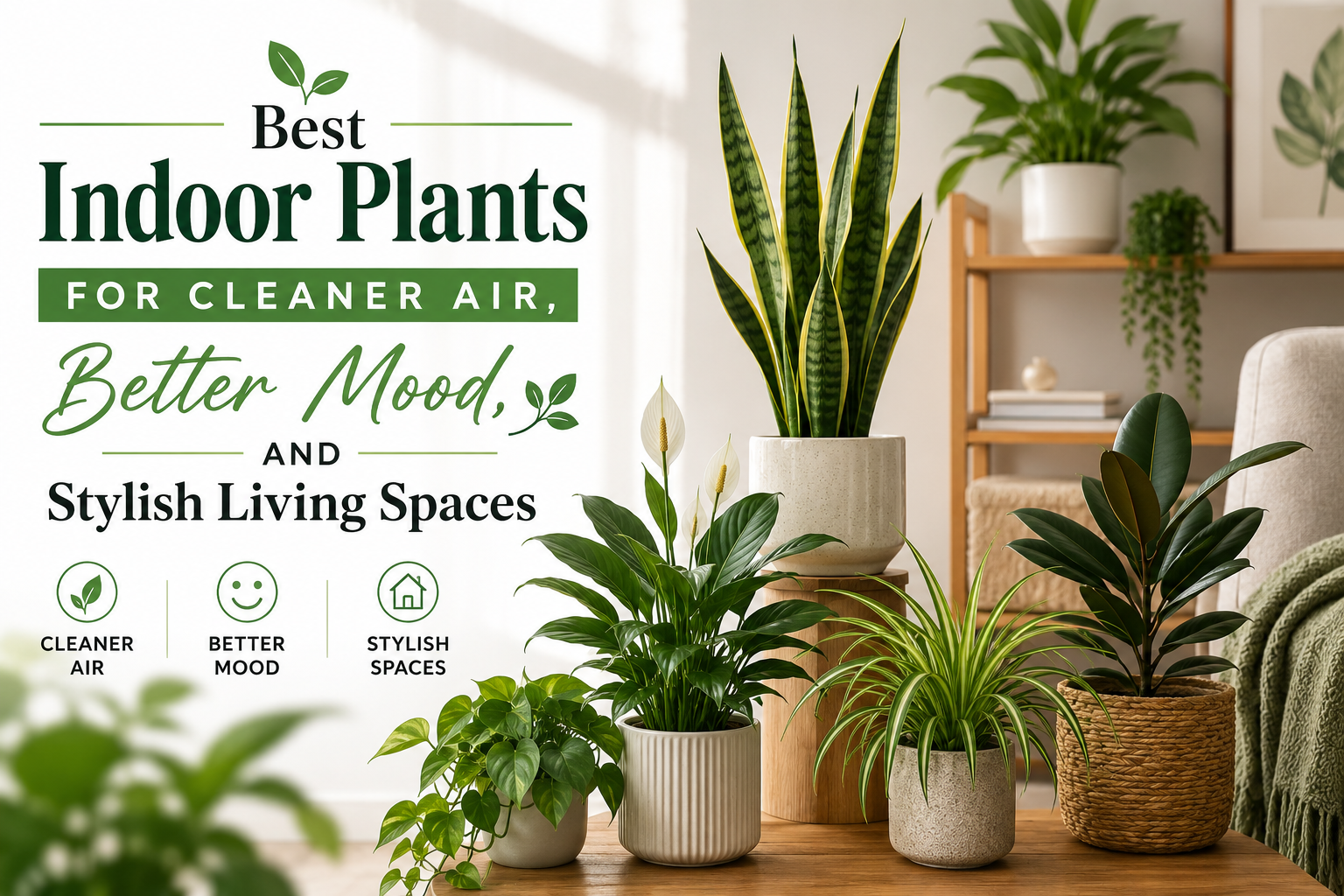
Indoor plants do far more than decorate a room. They soften harsh corners, improve humidity, reduce visual fatigue, and create a calmer atmosphere in apartments, offices, and homes filled with screens and artificial lighting. The rise of remote work and compact urban living has also changed how people think about interior spaces. A room with healthy greenery feels warmer, more lived-in, and noticeably less sterile.
Finding the best indoor plants is not about chasing trends or buying the most exotic species at the garden center. Real long-term satisfaction comes from matching a plant to lighting conditions, maintenance habits, air circulation, humidity, and available space. A plant that thrives in a bright sunroom may struggle badly in a dim apartment hallway. Likewise, a fast-growing tropical variety can become frustrating in a small studio apartment.
This guide evaluates indoor plants based on practical ownership experience rather than marketing hype. The selections focus on survivability, adaptability, appearance across seasons, pest resistance, growth behavior, and how well each plant performs in real homes rather than greenhouse conditions. Some are excellent for beginners who forget to water regularly. Others reward attentive care with dramatic foliage and rapid growth. Together, they represent the most dependable and rewarding options for modern indoor living.
The snake plant has earned its reputation as one of the best indoor plants because it tolerates neglect better than almost any common houseplant. Thick upright leaves store water efficiently, making the plant resilient during missed watering cycles. In apartments with inconsistent light, dry air, or fluctuating temperatures, snake plants continue growing with minimal complaints. Their architectural shape also works well in minimalist interiors, especially beside desks, entryways, and bedroom corners.
Many experienced growers recommend snake plants to first-time plant owners because they rarely create drama. Interior designer Clara Mendez once described them as “the closest thing the plant world has to cast iron furniture.” That assessment feels accurate after years of observing how they survive office buildings, dorm rooms, and poorly ventilated apartments where delicate tropical species fail quickly.
There are trade-offs, though. Snake plants grow slowly indoors, especially in darker conditions. Overwatering can also destroy roots surprisingly fast. People expecting rapid jungle-like growth may find them too static visually. Even so, their reliability keeps them near the top of nearly every serious list of the best indoor plants for modern living.
| Plant | Light Needs | Water Frequency | Pet Safety | Best Feature | Difficulty Level |
|---|---|---|---|---|---|
| Snake Plant | Low to bright indirect | Every 2–4 weeks | Toxic | Extreme durability | Easy |
| Pothos | Low to medium indirect | Weekly | Toxic | Fast trailing growth | Easy |
| Peace Lily | Medium indirect | Weekly | Toxic | Elegant blooms | Moderate |
| ZZ Plant | Low to bright indirect | Every 2–3 weeks | Toxic | Handles neglect well | Easy |
| Spider Plant | Bright indirect | Weekly | Non-toxic | Beginner friendly | Easy |
| Rubber Plant | Bright indirect | Weekly | Toxic | Large glossy foliage | Moderate |
| Monstera Deliciosa | Bright indirect | Weekly | Toxic | Tropical statement look | Moderate |
| Chinese Evergreen | Low to medium indirect | Weekly | Toxic | Colorful foliage | Easy |
| Parlor Palm | Low indirect | Weekly | Non-toxic | Soft tropical texture | Easy |
| Fiddle Leaf Fig | Bright filtered light | Weekly | Toxic | Dramatic interior impact | Advanced |
Pothos plants create instant visual softness in indoor environments. Their trailing vines spill naturally from shelves, hanging baskets, and cabinets, adding movement and depth to otherwise rigid interiors. Golden pothos varieties are especially forgiving, tolerating lower light while still producing healthy growth. This flexibility explains why pothos remains one of the best indoor plants for apartments and offices.
One of the most satisfying aspects of pothos ownership is visible progress. New leaves emerge regularly under decent conditions, giving even inexperienced plant owners a sense of success. Propagation is equally simple. Stem cuttings root easily in water, making pothos one of the most shareable houseplants around.
Still, pothos can become messy if ignored for long periods. Leggy vines develop in dim rooms, and dust buildup on leaves can dull their appearance. They also tend to outgrow small shelves quickly. Plant stylist Jordan Reeves once noted, “Pothos rewards attention but forgives neglect,” which captures the balance perfectly. Few plants adapt so easily while remaining visually appealing year-round.
Peace lilies stand apart because they combine attractive foliage with flowering capability under indoor conditions. Their dark green leaves create strong contrast against white blooms, making them popular in bedrooms, reception areas, and shaded living rooms. Among the best indoor plants for visual sophistication, peace lilies deliver a polished appearance without requiring greenhouse-level care.
Another reason they remain widely recommended is their ability to communicate clearly. When thirsty, the leaves droop dramatically, then recover quickly after watering. That visible feedback helps new plant owners develop better watering habits. In dry indoor environments, peace lilies also contribute modest humidity benefits through transpiration.
However, they are not maintenance-free. Crispy leaf edges often appear in low-humidity homes or where tap water contains high mineral content. They also dislike prolonged direct sunlight. While some marketing claims exaggerate their air-cleaning ability, peace lilies still create a fresher feeling indoor environment through their lush foliage and moisture release.
The ZZ plant has become a staple in commercial interiors for good reason. It tolerates fluorescent lighting, inconsistent watering, and extended periods of neglect without major decline. Thick rhizomes beneath the soil store water efficiently, allowing the plant to survive dry conditions that would stress more delicate species.
For people seeking the best indoor plants with minimal effort, the ZZ plant often ranks near the top. Its glossy leaves reflect light beautifully, helping brighten darker rooms visually even when actual sunlight is limited. Office managers particularly appreciate how clean and symmetrical the plant remains with almost no pruning.
The main drawback is slow growth. Those wanting dramatic seasonal changes or large foliage expansion may become impatient. Overwatering is also a common mistake because the plant appears so sturdy that owners assume it can handle frequent care. Ironically, the ZZ plant performs best when left alone more often than not.
Spider plants remain popular because they are approachable, forgiving, and surprisingly energetic growers. Their arching leaves create a fountain-like shape that works beautifully in hanging containers or elevated shelves. Mature plants also produce dangling offshoots known as “babies,” adding visual character and making propagation effortless.
Unlike many entries on lists of the best indoor plants, spider plants are non-toxic to pets, which makes them especially valuable for households with curious cats or dogs. They also adapt reasonably well to varying humidity levels, making them dependable across different climates and home conditions.
That said, spider plants are not immune to cosmetic issues. Brown leaf tips appear frequently due to mineral-heavy water or inconsistent moisture. They can also look unruly when overcrowded. Despite these small frustrations, spider plants continue rewarding owners with vigorous growth and easy propagation that few indoor species can match.
Rubber plants bring visual weight into a room. Their large glossy leaves absorb and reflect light differently throughout the day, creating a richer atmosphere in minimalist or neutral-colored interiors. When grown properly, rubber plants develop into tall indoor trees that anchor living rooms and offices beautifully.
Among the best indoor plants for design-focused homeowners, rubber plants strike an excellent balance between sophistication and manageability. They tolerate occasional missed watering sessions better than fiddle leaf figs while still offering a dramatic upscale appearance. Their growth pattern also remains more controlled indoors than many tropical species.
The challenge comes from lighting expectations. Rubber plants need brighter conditions than many people assume. In dim rooms, growth slows significantly and leaf drop becomes more common. Dust accumulation also affects their glossy finish, so occasional leaf cleaning helps maintain their appearance. Plant consultant Naomi Vance once remarked, “A clean rubber plant changes the energy of a room more than most furniture upgrades,” and that observation feels surprisingly accurate.
Few plants have influenced modern interior aesthetics like Monstera deliciosa. The large split leaves instantly create a tropical atmosphere, making the plant a centerpiece rather than background decor. In bright indirect light, monsteras grow aggressively and develop increasingly dramatic leaf fenestrations over time.
Their popularity is not purely social media hype. Monsteras genuinely adapt well indoors compared to many tropical species. They handle average humidity levels reasonably well and recover from minor care mistakes without immediate collapse. That combination of resilience and visual impact explains why they consistently rank among the best indoor plants for contemporary homes.
Still, monsteras require space and support. Mature plants spread widely and often need moss poles or structural staking. Without adequate light, leaves stay small and lose their signature splits. Some owners also underestimate how quickly aerial roots and vines can dominate a room. For spacious interiors with decent natural light, though, few plants create the same lush atmosphere.
Chinese evergreens deserve more attention than they usually receive. Modern varieties display impressive combinations of silver, green, cream, and even pink foliage patterns while remaining highly tolerant of indoor conditions. They perform especially well in rooms where direct sunlight is limited but complete darkness is absent.
One reason professionals consider them among the best indoor plants is consistency. Chinese evergreens rarely suffer dramatic declines unless severely overwatered or exposed to cold drafts. Their slower, controlled growth also makes them easier to maintain in compact spaces.
The downside is subtlety. They do not create the dramatic vertical growth of monsteras or rubber plants. Instead, their strength lies in dependable foliage quality over time. Interior horticulturist Marcus Elroy described them as “quiet performers that rarely disappoint,” which fits perfectly. They add depth and color without demanding constant attention.
Parlor palms have remained indoor favorites for generations because they adapt gracefully to indoor living. Their feathery fronds soften sharp furniture lines and create a relaxed tropical atmosphere without overwhelming a room. They also tolerate lower light levels better than many palm species.
For people wanting the best indoor plants with a softer aesthetic, parlor palms deliver a calming presence. They work particularly well in reading corners, bedrooms, and traditional interiors where oversized tropical plants may feel visually overpowering.
Patience is necessary, though. Parlor palms grow slowly indoors and can develop brown tips if humidity becomes excessively low. Overwatering also causes root issues surprisingly quickly. Despite these limitations, their manageable size and classic appearance continue making them dependable long-term companions for indoor spaces.
The fiddle leaf fig remains one of the most visually striking houseplants available. Large violin-shaped leaves create immediate architectural impact, making the plant a favorite in luxury interiors, hotels, and editorial photography. When healthy, few plants command attention so effectively.
Its reputation, however, comes with complications. Fiddle leaf figs are far less forgiving than snake plants or pothos. They dislike sudden environmental changes, inconsistent watering, cold drafts, and poor lighting. Owners often struggle during the first year because the plant reacts strongly to relocation or seasonal shifts.
Despite that sensitivity, experienced plant owners continue ranking it among the best indoor plants because of the unmatched visual payoff. A thriving fiddle leaf fig changes the scale and mood of a room dramatically. The key is stability: consistent light, moderate watering, and patience. Once established, the plant becomes far easier to maintain.
The right plant depends less on trends and more on environment and behavior patterns. Busy professionals who travel frequently usually succeed with snake plants, ZZ plants, or pothos because these species recover well from occasional neglect. Plant enthusiasts with bright rooms and consistent routines often enjoy the larger visual rewards offered by monsteras and fiddle leaf figs.
Lighting remains the biggest deciding factor. South-facing windows support rapid growth and larger foliage, while dim apartments benefit from shade-tolerant species like Chinese evergreens or parlor palms. Matching plant selection to real lighting conditions matters far more than ambitious styling goals.
Humidity, pets, and available floor space also shape long-term success. A compact apartment filled with pets requires different choices than a spacious sunlit home office. The best indoor plants are ultimately the ones that thrive naturally within the realities of a particular living environment rather than fighting against it.
Many people assume plant success depends entirely on species selection, but care habits matter just as much. Overwatering kills more indoor plants than underwatering because roots deprived of oxygen begin rotting beneath the soil surface. Consistent observation often matters more than strict watering schedules.
Pot selection also affects plant health significantly. Containers without drainage holes trap excess moisture, especially in lower-light rooms where evaporation slows down. Soil composition, airflow, and occasional pruning all contribute to healthier growth patterns over time.
Experienced growers often emphasize rhythm rather than perfection. Plants adapt surprisingly well when conditions remain relatively stable. Sudden changes in light, temperature, or watering frequency create more stress than minor imperfections in routine care. That stability becomes especially important for larger tropical species.
The lasting popularity of indoor gardening comes from the emotional atmosphere plants create inside living spaces. Healthy greenery softens modern interiors dominated by screens, metal, and artificial materials. Even small additions can make rooms feel calmer and more welcoming.
The best indoor plants are not necessarily the rarest or most expensive varieties. They are the ones that continue thriving month after month within real-world conditions. Snake plants excel in neglect-heavy environments. Pothos brings movement and rapid growth. Peace lilies offer elegance, while monsteras create bold tropical drama.
A well-balanced indoor plant collection often combines multiple growth styles and textures rather than relying on a single statement piece. Upright plants add structure, trailing vines create softness, and broad-leaf tropical species introduce visual richness. Together, they transform ordinary rooms into spaces that feel healthier, warmer, and more alive.
Snake plants, ZZ plants, Chinese evergreens, and parlor palms are among the best indoor plants for low-light environments. They tolerate shaded rooms and artificial lighting far better than many tropical species. While growth slows in darker conditions, these plants generally remain stable and attractive with proper watering habits.
Spider plants, pothos, snake plants, and ZZ plants work especially well for beginners because they recover easily from common mistakes. These plants handle inconsistent watering and varying humidity levels better than more sensitive species like fiddle leaf figs.
Indoor plants contribute modestly to air freshness by increasing humidity and supporting healthier indoor environments. While they are not replacements for ventilation systems or air purifiers, the best indoor plants can still make rooms feel less dry and visually more calming.
Spider plants and parlor palms are widely considered safer choices for homes with pets. Many popular houseplants, including pothos, snake plants, peace lilies, and fiddle leaf figs, contain compounds that may irritate cats and dogs if consumed.
Watering frequency depends on lighting, humidity, pot size, and plant type. Snake plants and ZZ plants prefer dry soil between watering sessions, while peace lilies and spider plants generally need more regular moisture. Checking soil dryness by touch is usually more reliable than following a rigid calendar schedule.
Stable conditions matter more than complicated routines. The best indoor plants thrive when given appropriate light, proper drainage, moderate watering, and occasional cleaning to remove dust from leaves. Avoiding sudden environmental changes also helps prevent stress and leaf damage.
Pothos and Monstera deliciosa are among the fastest-growing indoor plants under bright indirect light. Pothos vines extend rapidly with minimal care, while monsteras can produce large new leaves during active growing seasons when supported properly.